What is the difference between personal auto insurance and commercial auto insurance?
Personal auto insurance covers everyday vehicle use for nonbusiness purposes, while commercial auto insurance is designed for vehicles used for work, deliveries, carrying tools, or visiting clients. If you use a vehicle to run a business, the right policy depends on how it is used and who drives it. At TOP Insurance LLC, we offer bilingual support, access to several insurers, and online quoting, but the purchase is completed with a licensed agent by calling 1-877-579-0587.
- Insurance type
- commercial-auto
- Languages
- Spanish and English
- Documentation
- Options available depending on carrier and eligibility
- Free quote
- Yes, no obligation
- Carriers
- Several compared
- Phone
- 1-877-579-0587
Fast, free quotes with bilingual agents. No obligation.
If you use a vehicle for business, choosing the right coverage can make a major difference in protection, compliance, and peace of mind. In this comparison guide, we explain three topics that often create confusion for business owners, contractors, delivery drivers, fleet operators, and companies with mixed-use vehicles: commercial auto vs personal auto, agreed value vs stated value, and occurrence vs claims-made. This article serves as a starting point to understand the key differences and know when to explore each option in more detail.
At TOP Insurance LLC, we help clients in Spanish and English with access to several insurers, and service from our offices in Duluth, Lawrenceville, and Gainesville, Georgia. If you need more specific guidance, these comparisons will give you a strong foundation for informed decisions.
Commercial Auto vs Personal Auto / Auto Comercial vs Auto Personal
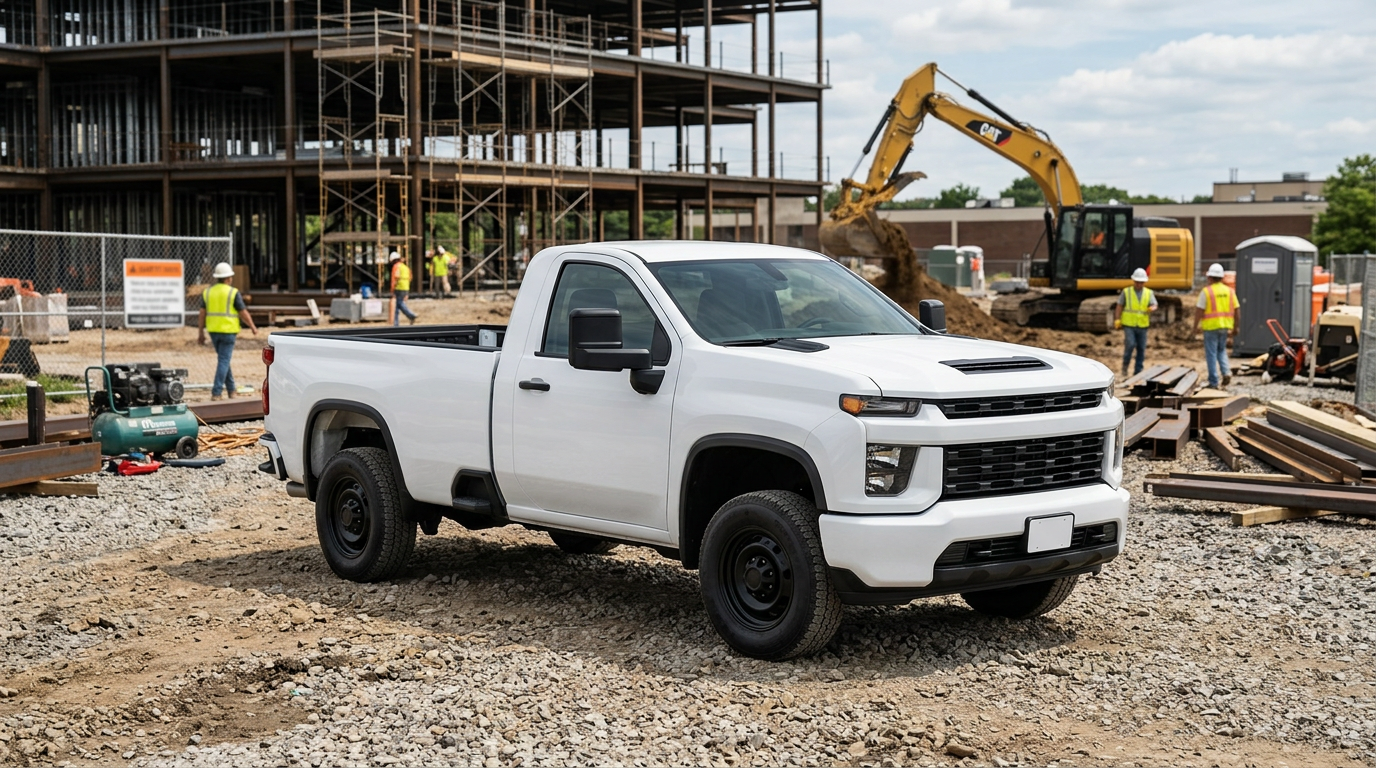
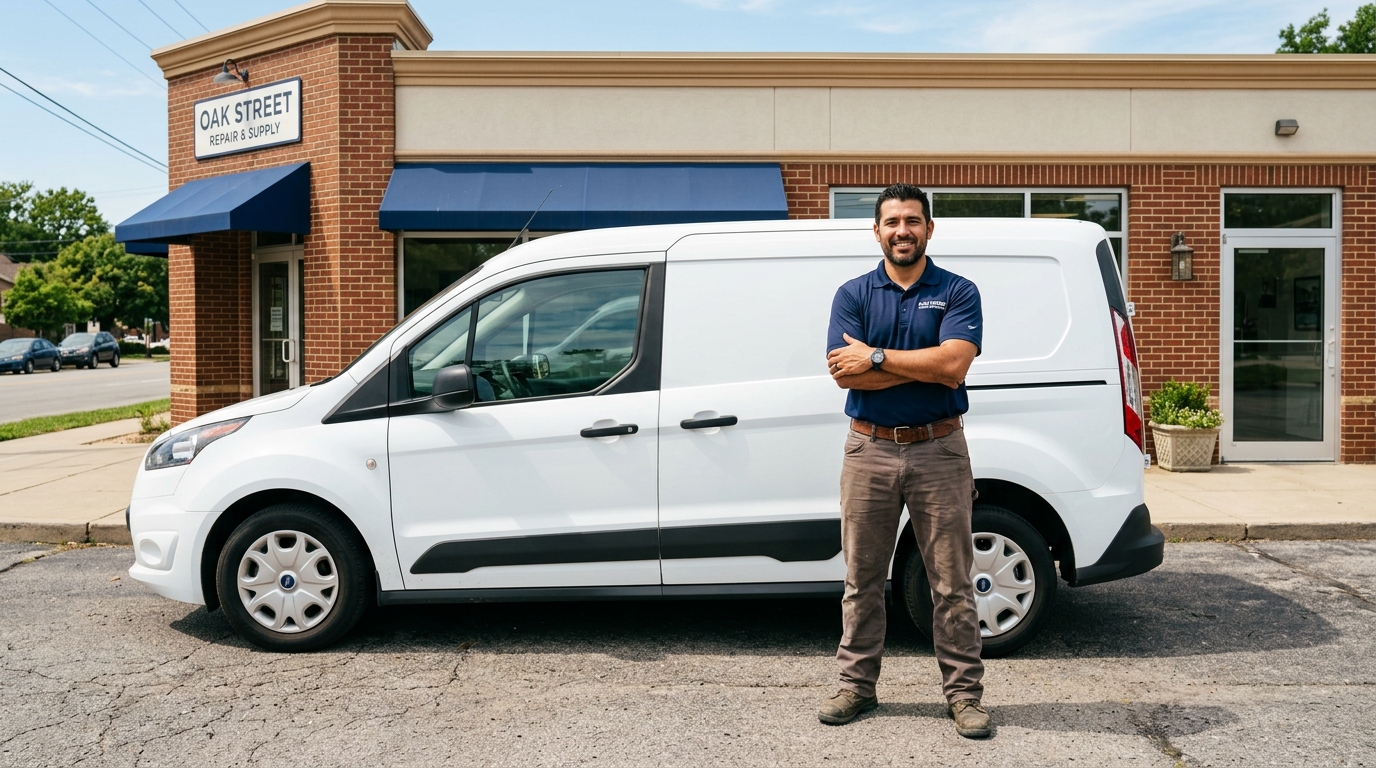
The main difference between a personal auto policy and a commercial auto policy is how the vehicle is used. A personal auto policy is generally designed for everyday driving, such as commuting, errands, and family use. Commercial auto, on the other hand, is built for vehicles used in business activities, such as visiting clients, making deliveries, carrying tools, or transporting goods. Using a vehicle for business activities can create exposures different from personal use. A personal policy may limit or exclude certain commercial uses. The appropriate coverage depends on factors such as vehicle ownership, the business activity, drivers, frequency and type of use, goods or equipment transported and the policy terms. Georgia requires the applicable liability coverage to be maintained on vehicles subject to its insurance requirements. Certain commercial or motor carrier operations may also be subject to additional contractual, state or federal requirements.
Which one is the better fit? If the vehicle is only used occasionally in very limited work situations, some cases may seem unclear, but when the use is clearly tied to a business, a commercial policy is usually the right choice. This matters especially for businesses with drivers, wrapped vehicles, or multiple units. Cargo, tools and equipment may require additional coverages, such as Motor Truck Cargo or Inland Marine, depending on the type of property and operation. Certain motor carrier operations are subject to federal financial responsibility requirements. The requirements depend on factors such as interstate or foreign commerce, for-hire status, GVWR, type of commodity, hazardous materials, passengers and operating authority. There is no single federal limit that applies to all commercial vehicles. To better understand when each policy applies, review the detailed commercial auto vs personal auto comparison.
Agreed Value vs Stated Value / Valor Acordado vs Valor Declarado
These two valuation methods both provide a reference for what may be paid in the event of a covered loss, but they do not work the same way. Agreed value means the insurer and the policyholder agree in advance on a specific value, which helps reduce uncertainty at claim time. Stated value, by contrast, is based on a value the policyholder declares, but how that value applies can depend on the policy terms and the final claim evaluation.
Who is each one for? Agreed value is often attractive for businesses or owners of specialized, antique, or modified vehicles, where market value may not reflect the real worth. Stated value can be useful when the owner wants a coverage reference point, but it is important to read carefully how the policy operates. If your business depends on vehicles with unique characteristics, this comparison deserves attention because it can affect how a total loss is handled. For more detail, see the dedicated agreed value vs stated value guide.
Occurrence vs Claims-Made / Occurrence vs Claims-Made
This comparison focuses on when a claim is covered. Under occurrence coverage, what matters is usually when the covered event happened: if the event occurs during the policy period, it may be covered even if the claim is filed later. Under a claims-made policy, the key date is usually when the claim is made, so this type of coverage requires close attention to policy dates, continuity, and reporting rules.
Which one is better? Occurrence coverage usually offers more clarity around the event date, while claims-made can be common in certain risk types where the timing of the claim itself is critical. For businesses with changing operations, multiple drivers, or exposures that may surface later, understanding this difference is essential to avoid coverage gaps. If you want to choose with more confidence, review the full occurrence vs claims-made explanation and how it applies to your situation.
How to Use This Comparison to Decide
If your vehicle is used for work, the first step is to confirm whether you truly need commercial auto instead of a personal policy. Then, consider how the vehicle should be valued and which structure better fits your operation. Finally, if your coverage is part of a broader commercial insurance strategy, understanding when a claim is triggered can be just as important as knowing what is covered. For fleets, freight transportation, or specialized vehicles, these differences are not minor: they can affect compliance, claims handling, and operational continuity.
At TOP Insurance LLC, we help you compare options in a simple, honest way, in Spanish or English, so you can choose protection that truly fits your business. If you want to go deeper into any of these topics, our detailed comparison guides are designed to walk you through each one step by step.
Frequently Asked Questions
What is the difference between personal auto insurance and commercial auto insurance?
Personal auto insurance covers everyday vehicle use for nonbusiness purposes, while commercial auto insurance is designed for vehicles used for work, deliveries, carrying tools, or visiting clients. If you use a vehicle to run a business, the right policy depends on how it is used and who drives it. At TOP Insurance LLC, we offer bilingual support, access to several insurers, and online quoting, but the purchase is completed with a licensed agent by calling 1-877-579-0587.
When do I need commercial auto insurance instead of personal auto insurance?
It may be appropriate when the vehicle is used regularly for business activities, not just for commuting to and from work. A personal policy may limit or exclude certain commercial uses. The appropriate coverage depends on factors such as vehicle ownership, the business activity, drivers, frequency and type of use, and the policy terms. If you are not sure, we can review your situation in English or Spanish and give you an honest recommendation.
What is a fleet policy and who is it good for?
A fleet policy is usually a good option for businesses that have multiple vehicles and want to cover them under one policy. It often works well for companies with cars, vans, or trucks that are on the road often and need simpler management. Pricing and structure depend on the number of vehicles, how they are used, and the driving history.
Does commercial auto insurance cost more than personal auto insurance?
It often can cost more because the risk is usually higher when a vehicle is used for business, but the actual price depends on many factors. The type of vehicle, business use, drivers, driving history, location, and the coverages you choose all matter. The best way to find out is to get an online quote and then complete the purchase with a licensed agent.
Can I buy commercial auto insurance if I have an ITIN?
Documentation: Options available depending on carrier and eligibility. TOP Insurance LLC offers bilingual service and access to several insurers to compare options, and it is important to review your situation with an agent.
Related comparison guides
Talk to a bilingual TOP Insurance agent
Not sure which coverage is right for you? Our bilingual team compares options from several carriers to find an alternative that fits your needs and budget. Call 1-877-579-0587 or learn more about our Commercial Auto.

TOP Insurance LLC is a licensed independent insurance agency serving Georgia, Florida, South Carolina, Tennessee, Alabama, Indiana and Texas. Our bilingual team of licensed agents compares options from several carriers to find an alternative that fits your needs and budget. With offices in Duluth, Lawrenceville and Gainesville, GA, we specialize in auto, home, life, health and commercial insurance for the Hispanic community and all residents. Some carriers may offer options for applicants with an ITIN, consular ID, foreign passport or foreign license; required documentation and eligibility depend on each carrier.
Ready for your free quote?
Our bilingual agents help you compare options from multiple carriers to find an alternative that fits your needs and budget. Same-day response, no obligation.