Why can't I use my personal auto policy for business operations in Texas?
Personal auto policies typically exclude coverage for business activities, transporting equipment, or hauling commercial goods. If an accident occurs while performing business duties, your personal insurer may deny the claim. Commercial auto insurance provides dedicated coverage tailored to the higher liability risks associated with business operations.
- Insurance type
- commercial-auto
- Languages
- Spanish and English
- Documentation
- Options available depending on carrier and eligibility
- Free quote
- Yes, no obligation
- Carriers
- Several compared
- Phone
- 1-877-579-0587
Fast, free quotes with bilingual agents. No obligation.
If your business owns, leases, or regularly uses vehicles in El Paso, commercial auto insurance is not optional—it is a core protection for your company, your drivers, and the people you serve. From bilingual service companies and family-owned contractors to logistics operations tied to the border and businesses serving Fort Bliss and the surrounding region, many El Paso businesses depend on trucks, vans, trailers, and specialty vehicles to keep work moving every day.
In Texas, business-owned or business-used vehicles generally need commercial auto coverage because personal auto policies are not designed for company operations. That matters even more in El Paso, where cross-border trade, delivery activity, service calls across town, and heavy commercial traffic can all increase exposure. If a vehicle is used to transport tools, employees, inventory, or customers, a commercial policy is usually the right fit.
This 2026 guide explains who needs commercial auto insurance in El Paso, what it covers, how it differs from personal auto, when higher limits are required, and how TOP Insurance LLC helps businesses compare options with bilingual support.
1) Who needs commercial auto insurance in El Paso?
Commercial auto insurance is for vehicles used in the course of business. In El Paso, that includes a wide range of operations, from small local service companies to larger fleets supporting regional commerce. If a vehicle is titled to a business, registered to a business, or driven primarily for work, it likely belongs on a commercial policy.
Common examples include:
- Contractors and trades using pickups, vans, or trailers
- Delivery businesses making local or regional stops
- Landscaping, construction, HVAC, plumbing, and electrical companies
- Restaurants or wholesalers using vehicles for deliveries or supply runs
- Taxi, shuttle, livery, and other for-hire transportation businesses
- Businesses with multiple vehicles or drivers
- Hotshot trucking and other time-sensitive cargo operations
El Paso’s business environment makes this especially important. The city’s role in trade and logistics with Mexico means many vehicles are on the road for commercial purposes that go beyond simple commuting. Add in the area’s military presence and steady small-business activity, and it is easy to see why so many companies need the stronger protection of a commercial auto policy.
Even if you are a sole proprietor, you may still need commercial auto coverage. The key question is not whether you own a large company—it is whether the vehicle is used for business. A work truck carrying tools, a van transporting equipment, or a car making client visits can all create commercial exposure.
2) What commercial auto covers vs. personal auto
Many business owners assume their personal auto policy will extend to work use, but that is often not true once the vehicle is used regularly for business. Personal policies are built for personal driving, not commercial operations, and they may exclude business-related claims or provide insufficient limits.
A commercial auto policy may help cover:
- Liability for bodily injury or property damage you cause in an accident
- Physical damage to covered business vehicles, depending on selected coverage
- Medical-related expenses or injury claims, subject to policy terms and state law
- Uninsured or underinsured motorists, if added to the policy
- Collision and comprehensive losses, if selected
- Vehicles owned, leased, hired, or non-owned by the business, depending on structure
Commercial policies are also designed to handle business realities such as multiple drivers, vehicles with equipment, and usage patterns that can be more complex than personal driving. For example, a work van may be driven by several employees, or a pickup may be used to haul tools to job sites throughout the week. Those facts matter when a claim happens.
Personal auto insurance typically does not account for:
- Vehicles used for deliveries, service calls, or client visits
- Transporting tools, inventory, or business equipment
- Multiple employees driving the same vehicle
- Regular towing or hauling for business
- Commercial transport or for-hire operations
In short, if the vehicle helps produce business income, a commercial policy is usually the safer and more appropriate choice. Choosing personal coverage for business use can create coverage gaps at the exact moment a claim occurs.
3) Texas minimums are only the starting point
Texas law requires all drivers to carry minimum liability insurance, and business vehicles must meet at least those minimums. In Texas, the legal minimum is 30/60/25: $30,000 bodily injury per person, $60,000 bodily injury per accident, and $25,000 property damage.
For many El Paso businesses, however, those minimums are only a starting point. Contracts, lenders, landlords, shippers, and clients often require much higher liability limits. That is common in industries where one accident could affect multiple vehicles, cargo loads, or job sites.
Common reasons businesses need higher limits include:
- Client contracts that specify higher liability requirements
- Vehicle leases or loans that require commercial coverage terms
- Certificates of insurance requested by general contractors or vendors
- Jobs on military installations or secure sites with stricter insurance rules
- Operations involving hired drivers, trailers, or valuable cargo
Many businesses are asked to carry limits expressed as a combined single limit, often far above the state minimum. A combined single limit can simplify coverage by providing one overall liability amount for a claim instead of separate per-person and per-accident limits. Whether you need a basic commercial policy or higher limits depends on your contracts, risk profile, vehicle use, and industry requirements.
For interstate for-hire trucking, the rules are even more specific. Those businesses are federally regulated by the FMCSA, and the required liability minimums are much higher than the Texas state minimum. In many cases, interstate trucking operations must carry at least $750,000 in liability coverage, with some operations or contracts requiring more.
The bottom line: if your business vehicle operates beyond simple local errands, do not assume state minimums are enough. The right limit should match the way your business really works.
4) Vehicle types commonly insured in El Paso
El Paso businesses use many different vehicle types, and commercial auto can be tailored to fit each one. The right policy depends on whether you run one vehicle or a fleet, whether drivers are employees or contractors, and whether you haul people, tools, or freight.
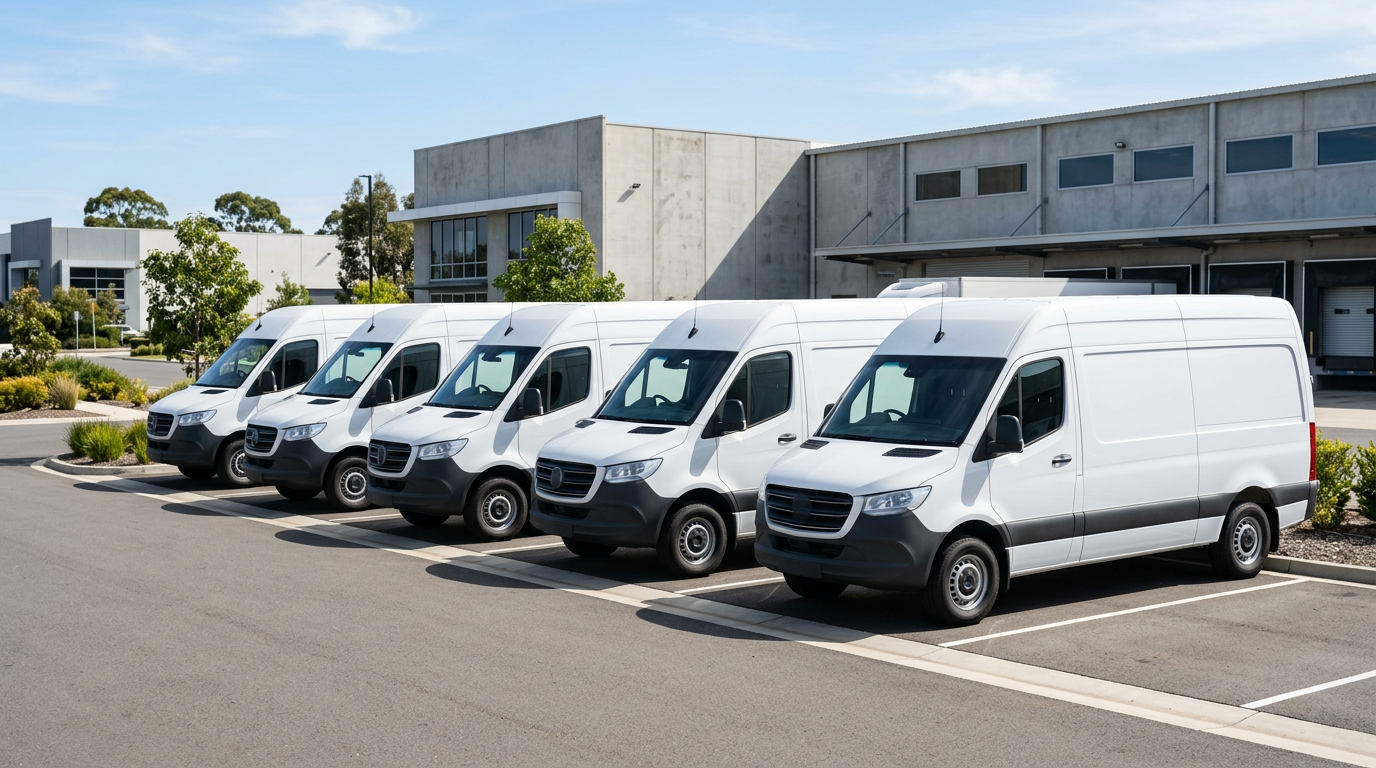
Vans
Service vans are common across El Paso for plumbers, electricians, HVAC techs, pest control companies, and mobile repair businesses. These vehicles often carry equipment, parts, ladders, and supplies, which makes them more than ordinary personal-use cars. Commercial coverage can help protect the business if a van is involved in a collision or damages someone else’s property.
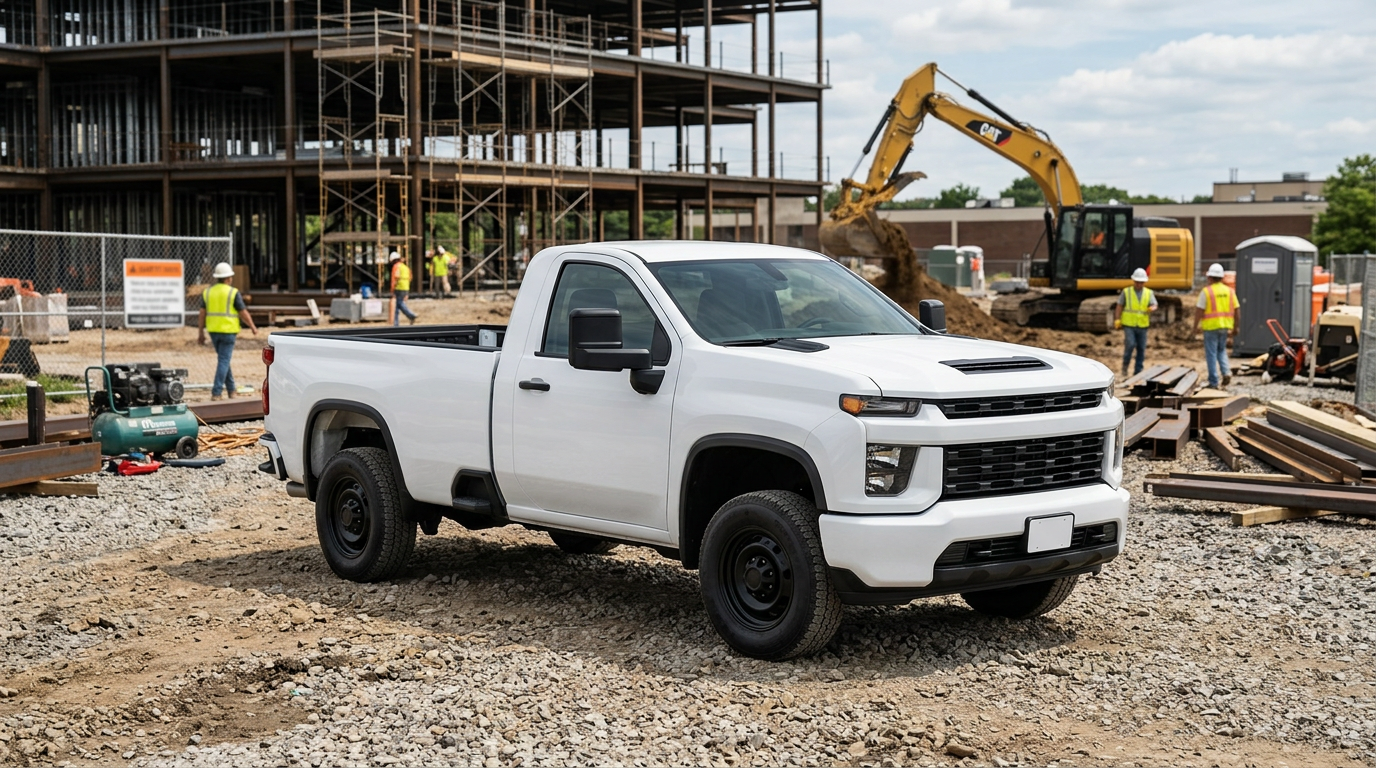
Pickup trucks and work trucks
Pickups are a staple for contractors, landscapers, and service businesses. They may tow trailers, carry tools, or transport materials between job sites. Because these vehicles are often used heavily and on a schedule tied to business operations, commercial auto insurance is usually the right choice.
Fleets
Businesses with multiple vehicles need a policy structure that can track several drivers, vehicles, and usage patterns. Fleets can include service vehicles, delivery vans, box trucks, or mixed-use work vehicles. A commercial fleet policy can help streamline coverage and make it easier to manage certificates, additions, and renewals.
Hotshot trucks
Hotshot operations are common in transportation and logistics, especially in regions connected to freight movement. These vehicles are often used for time-sensitive loads and may run across state lines. Because hotshot trucking can involve higher exposure, it is important to match the policy with the actual freight operation and regulatory requirements.
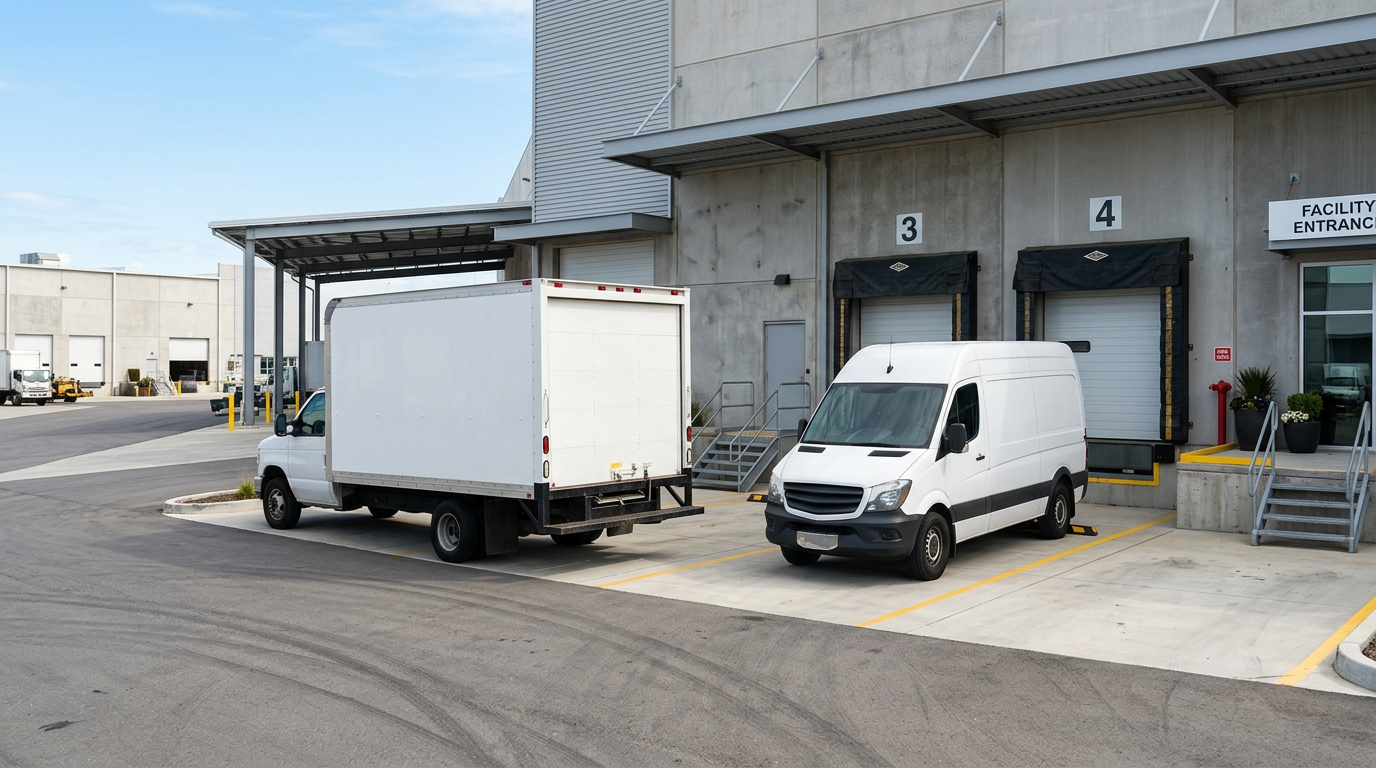
Box trucks and cargo vehicles
Moving companies, wholesalers, distributors, and independent delivery businesses often use box trucks or cargo vehicles. These vehicles can present larger liability and physical damage exposures because of their size, cargo value, and route frequency. Proper liability limits and the correct vehicle class are important.
Other business-use vehicles in El Paso may include passenger cars used by sales teams, shuttle vans, tow vehicles, or utility vehicles. Even a smaller vehicle can need commercial coverage if it is part of business operations.
5) Why higher limits are often required
Texas minimum coverage may satisfy the legal baseline, but it may not satisfy your business partners. In real-world commercial operations, insurance requirements are often driven by contracts and regulation rather than the state minimum alone.
Examples of higher-limit triggers include:
- General contractors requiring proof of commercial auto coverage
- Shippers requiring coverage before freight can be hauled
- Lessors or lenders requiring specific liability and physical damage terms
- Municipal, military, or government-related work with strict insurance standards
- Interstate trucking compliance under federal rules
Because El Paso businesses often serve a regional, cross-border, or logistics-based market, these requirements can arise quickly. A company might start with local service calls and later expand into contract work, deliveries, or freight hauling. When that happens, the insurance policy may need to change as well.
It is also important to understand that higher limits do not only protect against legal issues—they can protect your business reputation and ability to keep working after a claim. If a contract requires a certificate of insurance and your policy does not meet the stated limits, the job may be delayed or lost.
6) How TOP Insurance helps El Paso businesses
TOP Insurance LLC helps businesses compare commercial auto options with a focus on local needs, bilingual service, and practical coverage guidance. For El Paso owners and operators, that means working with an agency that understands both the market and the language needs of the community.
What TOP Insurance offers:
- Bilingual English and Spanish support
- Access to multiple carriers for comparison
- Free quotes for commercial auto insurance
- Help matching limits to contracts and business use
- Guidance for vans, trucks, fleets, and hotshot operations
That matters in a city like El Paso, where many businesses are family-owned, bilingual communication is essential, and commercial activity is closely tied to trade, transportation, and service work. The right coverage should be clear, not confusing. We help clients understand what a policy does, what it does not do, and what documentation may be needed by a client, lessor, or regulator.
If you are unsure whether your current policy is personal or commercial, or whether your limits are high enough, TOP Insurance can review your situation and help you request quotes from carriers that write commercial auto business in Texas.
7) FAQ
Do I need commercial auto if I use my personal vehicle for work?
Often, yes. If the vehicle is used regularly for business tasks such as client visits, deliveries, hauling equipment, or transporting employees, a personal policy may not be enough. The right answer depends on how the vehicle is used, who drives it, and whether the vehicle is owned by you or your business.
What is the minimum commercial auto coverage in Texas?
Texas requires business vehicles to meet the state minimum liability standards: 30/60/25, meaning $30,000 bodily injury per person, $60,000 bodily injury per accident, and $25,000 property damage. Many businesses need more because of contracts, leases, or operational risk.
Are higher limits required for trucking?
Yes, often. Interstate for-hire trucking is federally regulated by the FMCSA, and the required liability minimums are much higher than the Texas minimum. Many trucking operations need at least $750,000 in liability coverage, and some need more depending on cargo and contracts.
Can TOP Insurance help Spanish-speaking business owners?
Yes. TOP Insurance provides bilingual service so Spanish-speaking business owners can get clear help comparing options, understanding requirements, and requesting free quotes for commercial auto insurance in El Paso.
If your business depends on vehicles in El Paso, commercial auto insurance is one of the most important protections you can buy. The right policy helps keep your company compliant, helps protect your drivers, and gives you a stronger footing when clients or regulators ask for proof of coverage.
Frequently Asked Questions
Why can't I use my personal auto policy for business operations in Texas?
Personal auto policies typically exclude coverage for business activities, transporting equipment, or hauling commercial goods. If an accident occurs while performing business duties, your personal insurer may deny the claim. Commercial auto insurance provides dedicated coverage tailored to the higher liability risks associated with business operations.
Which businesses in El Paso are required to carry commercial auto insurance?
Any business that owns, leases, or operates vehicles to conduct business—such as contractors transporting tools, delivery fleets, or service technicians visiting job sites—needs commercial auto coverage. Texas law mandates minimum auto liability coverage for vehicles operating on public roads, but business activities require commercial-grade protection. Companies with employees driving their own personal vehicles for business errands should also carry hired and non-owned auto insurance.
What standard coverages are included in an El Paso commercial auto policy?
A standard commercial auto policy typically includes bodily injury and property damage liability, which pays for damage or injuries you cause to others. It can also include collision and comprehensive coverages to repair your own vehicles, medical payments coverage, and uninsured or underinsured motorist coverage. Depending on your business needs, endorsements like roadside assistance or cargo coverage can also be added.
Does commercial auto insurance cover cross-border travel into Mexico?
Standard US commercial auto policies do not extend coverage into Mexico, as Mexican law requires auto liability insurance issued by a licensed domestic Mexican insurer. If your El Paso business crosses the border for logistics or client visits, you must secure a separate cross-border endorsement or an international policy. Operating in Mexico without authorized coverage can result in vehicle impoundment and legal penalties.
How do I determine the appropriate liability limits for my commercial fleet?
Your required limits depend on the types of vehicles you operate, cargo transported, and whether your business is subject to state or federal transportation regulations. While Texas establishes basic statutory minimums, these are often insufficient to cover catastrophic accidents involving large trucks or multi-vehicle collisions. Businesses typically select higher liability limits to protect their company assets from severe financial losses.

TOP Insurance LLC is a licensed independent insurance agency serving Georgia, Florida, South Carolina, Tennessee, Alabama, Indiana and Texas. Our bilingual team of licensed agents compares options from several carriers to find an alternative that fits your needs and budget. With offices in Duluth, Lawrenceville and Gainesville, GA, we specialize in auto, home, life, health and commercial insurance for the Hispanic community and all residents. Some carriers may offer options for applicants with an ITIN, consular ID, foreign passport or foreign license; required documentation and eligibility depend on each carrier.
Ready for your free quote?
Our bilingual agents help you compare options from multiple carriers to find an alternative that fits your needs and budget. Same-day response, no obligation.