Do I need commercial auto insurance if I only use my vehicle for work sometimes?
If a vehicle is regularly used for business tasks, your personal auto policy may not be enough. Even occasional business use can create coverage issues if the car is involved in a claim while working.
- Insurance type
- commercial-auto
- Languages
- Spanish and English
- Documentation
- Options available depending on carrier and eligibility
- Free quote
- Yes, no obligation
- Carriers
- Several compared
- Phone
- 1-877-579-0587
Fast, free quotes with bilingual agents. No obligation.
Orlando is one of Florida’s busiest business hubs, and many companies rely on vehicles every day to keep work moving. From HVAC contractors in MetroWest and delivery routes near Downtown and the I-Drive corridor, to caterers, landscapers, mobile services, and trades serving Winter Park, Kissimmee, Lake Nona, and the surrounding Central Florida area, business vehicles face heavy use, traffic congestion, sudden storms, and frequent stop-and-go driving. If a vehicle is owned by a business, used to transport goods or equipment, or driven for work-related tasks, it usually needs commercial auto insurance rather than a personal policy.
For Orlando businesses, commercial auto insurance is not just about compliance. It is about protecting your company from the financial consequences of accidents, injuries, vehicle damage, employee driving, and claims that can interrupt operations. Florida’s roads are busy year-round, and Orlando driving conditions often include heavy tourism traffic, aggressive merges near major corridors, rain-slick roads, and reduced visibility during summer storms. That makes the right coverage especially important for businesses that depend on vehicles to serve customers on time.
Who needs commercial auto insurance in Orlando?
Any business that owns, leases, or regularly uses vehicles for work should review whether commercial auto insurance is required. In Orlando, that includes a wide range of industries because the local economy depends on service, construction, hospitality, transportation, maintenance, and delivery operations.
- Contractors and trades using pickup trucks, cargo vans, or trailers
- Delivery and courier businesses serving local routes or regional freight
- Landscaping and lawn care companies with trucks, dump trailers, or utility vehicles
- Catering, food service, and mobile vendor businesses
- Cleaning, restoration, and property service companies
- Construction firms moving tools, materials, or crews across job sites
- Small fleets, whether two vehicles or twenty
- Businesses that allow employees to drive for sales visits, service calls, or pickups
Even if a vehicle is titled in an individual’s name, it may still need commercial coverage if it is used mainly for business. Personal auto policies are designed for personal use, and a claim can be denied if the insurer determines the vehicle was being used for business operations outside the policy terms.
What commercial auto insurance covers vs. personal auto
Commercial auto insurance is designed for work vehicles and business driving exposure. Personal auto insurance is usually intended for commuting, errands, family trips, and other non-business use. The difference matters because business vehicles often carry more liability exposure, drive more miles, and transport tools, inventory, or passengers related to work.
Commercial auto may help cover:
- Liability for injuries or property damage caused by an insured driver
- Physical damage to a covered business vehicle from a collision
- Damage from theft, vandalism, fire, or certain weather-related events, depending on the policy
- Medical costs or injury-related claims subject to Florida law and policy terms
- Uninsured or underinsured motorist protection if selected and available
- Coverage for additional insureds or loss payees when required by contracts or lenders
Personal auto usually does not fit well when a vehicle is used for business tasks such as:
- Delivering products or supplies for a company
- Hauling tools or equipment to job sites
- Driving employees as part of a service business
- Transporting materials, inventory, or customer property
- Using a vehicle as part of a for-hire or commercial operation
For many Orlando companies, the key issue is not only who owns the vehicle, but how it is used. A real estate agent driving clients, a handyman hauling tools, or a bakery delivering orders may each need a different level of protection than a standard personal driver. The policy should match the actual risk.
Florida minimums and why many Orlando businesses need higher limits
Florida is a no-fault state, which means the state minimum requirements are not the same as what many businesses actually need for real-world protection. For standard registration, Florida’s legal minimum includes $10,000 in Personal Injury Protection and $10,000 in property damage liability. Bodily injury liability is not required for standard registration. However, that does not mean those minimums are enough for a business vehicle.
In Orlando, many clients, general contractors, property managers, equipment lessors, and commercial landlords require much higher limits than the state minimum. The same is true for contracts involving commercial delivery, construction, warehousing, and vendor services. Businesses often need higher liability limits because one serious accident can involve multiple vehicles, injured passengers, damaged storefronts, or expensive equipment.
Common higher-limit requirements may include combined single limits such as $500,000 to $1,000,000, depending on the contract, customer, or operation. These limits are often requested because they better align with the exposure created by business driving. A van making daily deliveries through downtown Orlando faces different risks than a commuter car used only for school pickups and weekend errands.
If your business works with municipalities, large builders, or national vendors, they may also ask for specific endorsements, certificate wording, or additional insured status. These are not extras for decoration; they are often necessary to win and keep jobs.
Vehicle types we help insure in Orlando
Orlando businesses use a wide range of vehicles, and commercial auto insurance can be structured to fit each type of operation. The vehicle class, route pattern, cargo, and driver use all matter when selecting coverage.
Vans
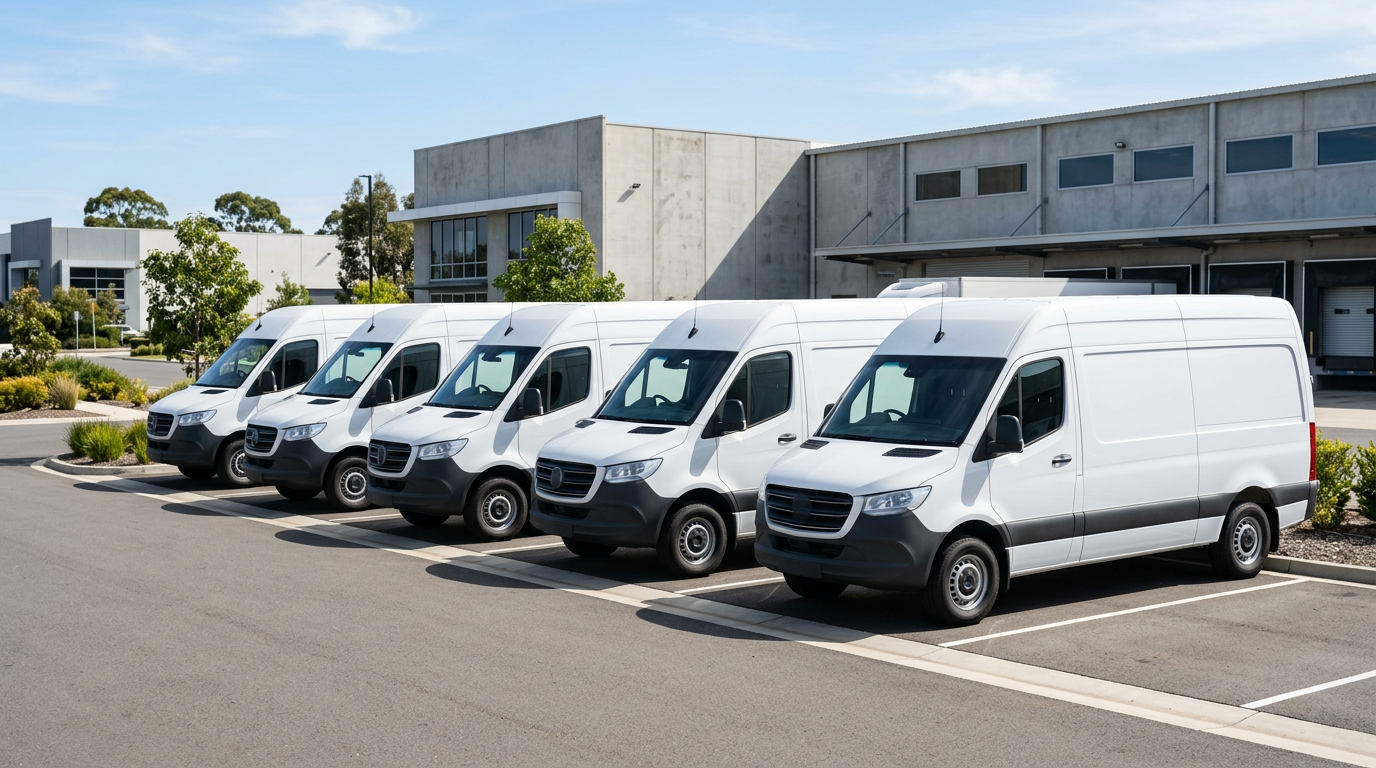
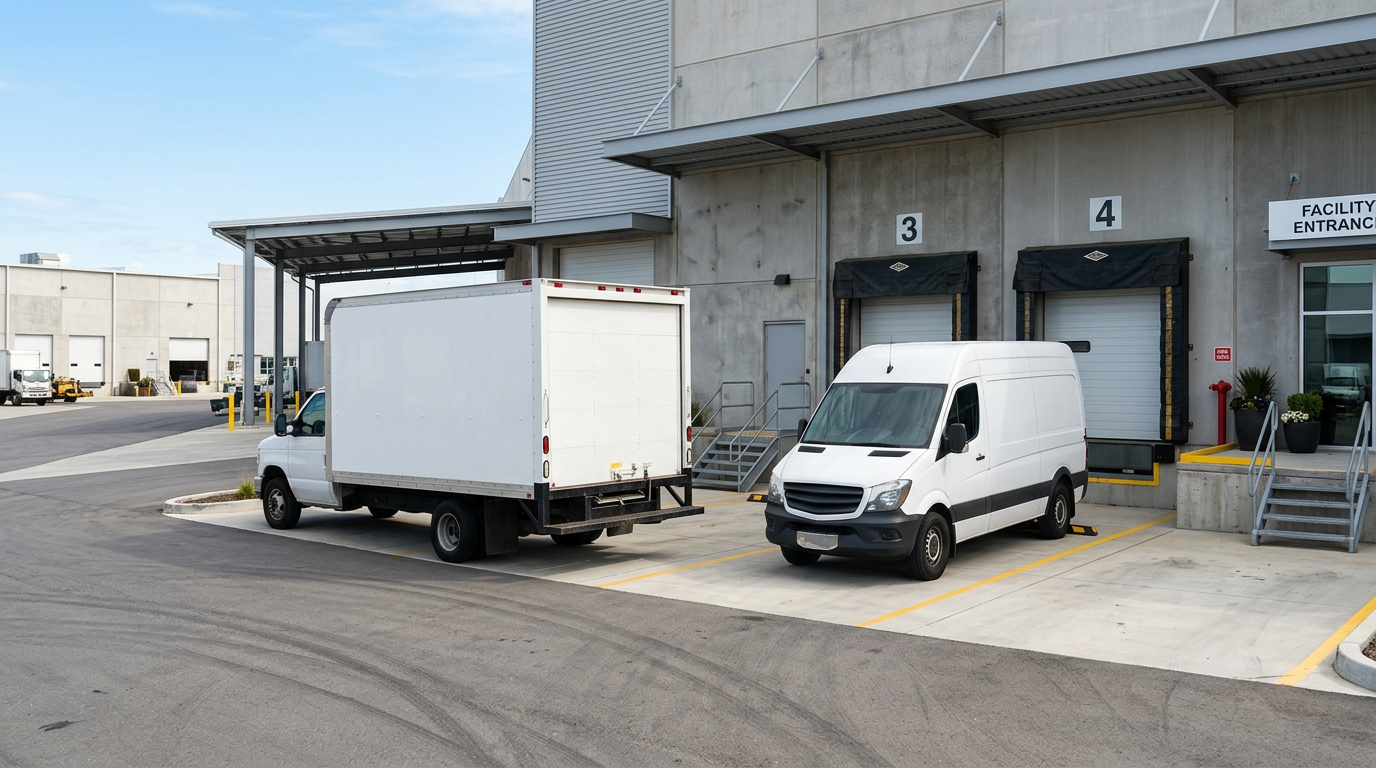
Service vans are common for electricians, plumbers, HVAC technicians, locksmiths, mobile pet services, and delivery businesses. These vans often carry tools, parts, and materials that make work possible. Coverage should account for the value of the vehicle and the business property being transported.
Trucks
Pickup trucks, flatbeds, dump trucks, utility trucks, and box trucks are frequently used across Central Florida construction and service industries. These vehicles may be driven between job sites, loaded with equipment, or used to tow trailers. Because they are larger and more likely to cause severe damage in a crash, appropriate liability limits are especially important.
Fleets
Some Orlando companies operate a few vehicles, while others manage larger fleets across multiple locations. Fleet coverage helps business owners coordinate protection across all units, simplify administration, and maintain continuity if one vehicle is damaged or out of service.
Hotshot and delivery operations
Hotshot trucking and expedited delivery operations often move urgent cargo on tight schedules. These businesses can face unique underwriting and compliance requirements because they may travel regionally, carry valuable loads, or operate under time-sensitive contracts. Coverage should reflect the type of freight, driving radius, and whether the operation crosses state lines.
In every case, the policy should be built around actual use. A contractor’s work truck, a florist’s delivery van, and a regional hauling operation all face different risks and should not be treated the same.
Interstate trucking and FMCSA requirements
Businesses involved in interstate for-hire trucking are subject to federal regulation through the Federal Motor Carrier Safety Administration. These operations generally need much higher liability limits than a local service van or a small intrastate business fleet. FMCSA minimums are commonly $750,000 or higher, depending on the cargo and type of transportation involved.
If your Orlando business hauls freight across state lines, your insurance must be aligned with both federal compliance and shipper requirements. Many brokers, shippers, and logistics partners will not load a carrier without proof of the right liability levels and required filings. For this reason, transportation businesses should never assume that a basic business auto policy is enough.
Interstate trucking also increases exposure because vehicles spend more time on highways, in unfamiliar markets, and in more demanding scheduling environments. A policy should account for route length, driver experience, trailer use, cargo type, and whether the truck is owner-operated or part of a broader fleet.
Why Orlando driving conditions raise the stakes
Orlando has its own driving realities that make commercial auto insurance especially important. The city’s economy brings in heavy visitor traffic near theme parks, hotels, conventions, shopping districts, and major roadways. Local businesses often operate in areas where traffic patterns change quickly, lanes merge tightly, and stop-and-go congestion is common.
Weather also plays a major role. Central Florida is known for sudden afternoon storms, intense rain, high humidity, and occasional severe weather that can reduce visibility and traction. Standing water, flooded lanes, and slick pavement increase the chance of collisions, especially for drivers making frequent stops or carrying heavy cargo.
Neighborhoods and commercial zones across Orlando each present their own challenges. Downtown routes can involve tight turns and pedestrian activity. Areas near International Drive, the airport corridor, and major shopping centers bring dense traffic and frequent delivery activity. Service businesses working in suburbs such as Winter Park, Dr. Phillips, College Park, Conway, Horizon West, and Lake Nona may travel across long daily routes, making mileage and exposure more difficult to predict.
For businesses serving Orlando’s large Hispanic community, bilingual communication matters too. Clear policy explanations, claims support, and certificate requests help owners understand what they are buying and how to stay compliant. That is especially important for family-owned businesses, contractors, and delivery operators who may be growing quickly and adding vehicles as demand increases.
How TOP Insurance helps Orlando businesses
TOP Insurance LLC helps businesses in Orlando compare commercial auto insurance options with a practical, local approach. As an independent agency, we can shop multiple carriers and look for coverage that fits your business use, vehicle type, and contract requirements. That matters because no two companies drive the same way, and the wrong policy can leave dangerous gaps.
We work with business owners who need help with first-time commercial auto coverage, renewals, fleet changes, added drivers, and contract-driven limit increases. We also help explain whether a vehicle should be insured as a business auto, a commercial auto policy, or another type of specialized coverage depending on how it is used.
- Bilingual support in English and Spanish
- Access to multiple carriers for comparison shopping
- Help reviewing limits, endorsements, and certificate requirements
- Guidance for vans, trucks, fleets, and hotshot operations
- Free quotes with no obligation to move forward
Our goal is to make coverage easier to understand so Orlando business owners can focus on serving customers, keeping crews moving, and protecting the assets that support daily operations.
Frequently asked questions
Do I need commercial auto insurance if I only use my vehicle for work sometimes?
If a vehicle is regularly used for business tasks, your personal auto policy may not be enough. Even occasional business use can create coverage issues if the car is involved in a claim while working.
What is the minimum commercial auto coverage in Florida?
For standard registration, Florida requires $10,000 in Personal Injury Protection and $10,000 in property damage liability. Bodily injury liability is not required for standard registration, but many business contracts require much higher limits.
Can I use personal auto insurance for a company vehicle?
Usually no, if the vehicle is owned by a business or used primarily for work. Personal policies are not designed for commercial use, and claims can be disputed if the vehicle is being used for business purposes.
Do Orlando contractors and delivery businesses need higher limits?
Often yes. Many clients, lessors, and general contractors require limits well above the state minimum, and interstate trucking may trigger federal requirements. The right limit depends on your contracts, routes, and vehicle use.
Commercial auto insurance is a core protection for Orlando businesses that depend on vehicles. Whether you operate one van or a growing fleet, the right policy helps protect your company from accidents, downtime, and contract problems. If you are ready to review your coverage, TOP Insurance can help you compare options and find a policy that fits your business needs in Orlando and throughout Central Florida.

TOP Insurance LLC is a licensed independent insurance agency serving Georgia, Florida, South Carolina, Tennessee, Alabama, Indiana and Texas. Our bilingual team of licensed agents compares options from several carriers to find an alternative that fits your needs and budget. With offices in Duluth, Lawrenceville and Gainesville, GA, we specialize in auto, home, life, health and commercial insurance for the Hispanic community and all residents. Some carriers may offer options for applicants with an ITIN, consular ID, foreign passport or foreign license; required documentation and eligibility depend on each carrier.
Ready for your free quote?
Our bilingual agents help you compare options from multiple carriers to find an alternative that fits your needs and budget. Same-day response, no obligation.