Why is a personal auto policy insufficient for business vehicles in Miami?
Personal auto policies typically exclude coverage for vehicles used primarily for business operations, deliveries, or transporting work equipment. If an accident occurs while performing business duties, your personal insurer may deny the claim, leaving your company liable for damages. Commercial auto insurance provides higher liability limits and specific protections tailored to business-related risks.
- Insurance type
- commercial-auto
- Languages
- Spanish and English
- Documentation
- Options available depending on carrier and eligibility
- Free quote
- Yes, no obligation
- Carriers
- Several compared
- Phone
- 1-877-579-0587
Fast, free quotes with bilingual agents. No obligation.
If your business in Miami uses vehicles to make deliveries, visit job sites, transport tools, or move people or property for work, you likely need commercial auto insurance. In a city as active and fast-moving as Miami, with dense traffic on I-95, the Dolphin Expressway, the Palmetto, and busy local roads in Brickell, Doral, Hialeah, Kendall, Little Havana, Wynwood, Miami Beach, and Coral Gables, a personal auto policy usually is not built for business use. Commercial auto coverage helps protect your company when a vehicle is owned by the business, leased for business, titled to a company, or regularly used for work tasks.
Miami is a city of contractors, trades, couriers, distributors, real estate professionals, medical transport providers, food service operators, landscapers, and service businesses that rely on vans, pickups, box trucks, cargo vans, and fleets every day. In these industries, a crash can affect more than one driver or one vehicle. It can interrupt work, damage customer property, and lead to contract problems if your insurance does not match the job. For many businesses, commercial auto is not just a smart choice; it is part of doing business responsibly in South Florida.
Florida is a no-fault state, and the legal minimums for standard registration include $10,000 in Personal Injury Protection (PIP) and $10,000 in property damage liability. Bodily injury liability is not required for standard personal vehicle registration in Florida. But that minimum framework does not always satisfy business needs. If your vehicle is used for business, your clients, landlords, equipment lessors, general contractors, brokers, and government agencies may require much higher liability limits. In Miami, where commercial work often depends on contracts and rapid movement across county and state lines, coverage needs are often set by the job, not just the state minimum.
1) Who needs commercial auto insurance in Miami?
Commercial auto insurance is generally needed when a vehicle is used primarily for business purposes. That includes vehicles owned by a company, vehicles registered to a business, and personal vehicles that are used regularly for work. If employees drive as part of their job, if you haul tools or cargo, or if the vehicle is part of your daily operations, a personal policy may not provide the right protection.
Common Miami businesses that often need commercial auto include:
- Contractors, electricians, plumbers, HVAC technicians, roofers, and painters
- Landscapers and tree service companies
- Catering companies and food distributors
- Delivery and courier businesses
- Cleaning services and maintenance companies
- Medical transport and non-emergency transport providers
- Real estate teams and property management companies
- Retailers and wholesalers that use vans or box trucks
- Hotshot and local freight operators
- Construction firms with trucks, trailers, and work vehicles
In Miami, business driving often happens in stop-and-go traffic, frequent lane changes, heavy commuter congestion, sudden rain, and hurricane-season disruptions. Those conditions increase the chance of collisions, sideswipes, and damage to parked vehicles, fences, loading docks, and customer property. If a vehicle is part of your revenue stream, commercial auto coverage is often essential.
2) What commercial auto covers vs. personal auto
A personal auto policy is designed mainly for private driving, such as commuting, errands, and family trips. It often excludes or limits claims arising from regular business use. Commercial auto insurance is designed for vehicles used to operate a business and can include broader liability and vehicle protection options depending on the policy and carrier.
Commercial auto can help cover:
- Liability for bodily injury and property damage if your business vehicle causes an accident and you are found responsible
- Collision coverage for damage to your vehicle from a crash
- Comprehensive coverage for losses from theft, fire, vandalism, falling objects, storms, and other covered non-collision events
- Medical payments or other available injury-related protections, depending on policy structure
- Uninsured/underinsured motorist coverage, if selected and available
- Coverage for scheduled vehicles or fleet vehicles, depending on how the policy is written
Commercial auto is also important because business use creates different exposure. For example, a roofing truck carrying ladders and materials may create more risk than a personal sedan. A delivery van making dozens of stops a day faces more road exposure than a car used only for commuting. A fleet of service vehicles in Miami can create multiple loss points if one accident affects several jobs, employees, or customer schedules.
Another key difference is who drives the vehicle. Business vehicles may be driven by multiple employees, not just a single named driver. That means the policy needs to match your actual operations, your driver list, and the way the vehicle is used. If your company has employees, contractors, or family members who drive for work, you should review the policy carefully so there are no gaps.
Why a personal policy may not be enough
Many business owners assume that if they already have auto insurance, they are protected. But personal auto insurance is usually written for personal use, not business operations. If the insurer finds that a vehicle was being used for work outside the policy terms, a claim could be delayed, reduced, or denied. That risk is especially important in Miami, where many people run side businesses, gig work, delivery services, and small contracting operations that involve daily driving.
Commercial auto is built for the realities of business travel: stop-and-go roads, workers on multiple sites, tools and cargo in the vehicle, higher liability expectations, and employees driving on behalf of the company.
3) Higher limits required by contracts, lenders, and DOT/FMCSA
Florida’s minimum registration requirements do not always meet business obligations. Even when the state minimums are satisfied, many Miami businesses need higher liability limits because of contracts, leases, or regulatory requirements. This is especially true for companies serving large commercial clients, condominium associations, municipalities, developers, freight brokers, and national vendors.
Common situations where higher limits are required include:
- Commercial contracts that specify minimum liability limits before work can begin
- Vehicle leases and financing agreements that require the vehicle to be fully protected
- General contractor agreements that require proof of insurance and additional insured language
- Property management and HOA vendor requirements
- Government and municipal contracts
- Broker and shipper requirements in freight and delivery work
It is common for clients, lessors, and other business partners to ask for much higher liability limits than the Florida minimum. In many cases, businesses are asked to carry limits such as a $500,000 to $1,000,000 combined single limit. The right amount depends on your industry, the vehicles you use, and the contracts you sign, but the important point is that the minimum state registration requirement is often not enough.
Interstate trucking and FMCSA requirements
If your business operates interstate for-hire trucking, federal rules apply through the Federal Motor Carrier Safety Administration (FMCSA). These requirements are more demanding than a local delivery operation or a small service business. In many cases, interstate freight carriers need at least $750,000 in liability coverage, and some cargo or passenger operations require even more depending on the operation and federal classification.
That is why truckers, hotshot operators, and freight businesses in Miami must be careful not to treat commercial auto like ordinary personal coverage. The right policy must align with your operating authority, routes, cargo, driver profile, and contract obligations. If you cross state lines from Florida into Georgia, Alabama, Tennessee, or beyond, your policy must be designed for that exposure.
Why Miami businesses should review limits carefully
Miami businesses often operate in higher-density, higher-congestion environments than many other markets. Delivery windows can be tight, weather can change fast, and traffic can be unpredictable. Businesses serving South Florida may also face higher expectations from clients who want quick proof of insurance and stronger liability protection. A policy that meets the legal minimum may still fall short of what a customer or shipper requires.
A commercial auto review can help identify:
- Whether your vehicles are correctly classified
- Whether your current limits satisfy contracts
- Whether you need hired and non-owned auto coverage for employees using personal vehicles for work
- Whether your fleet needs a combined policy or separate schedules
- Whether your trucking operation needs FMCSA-compliant coverage
4) Vehicle types: vans, trucks, fleets, and hotshot operations
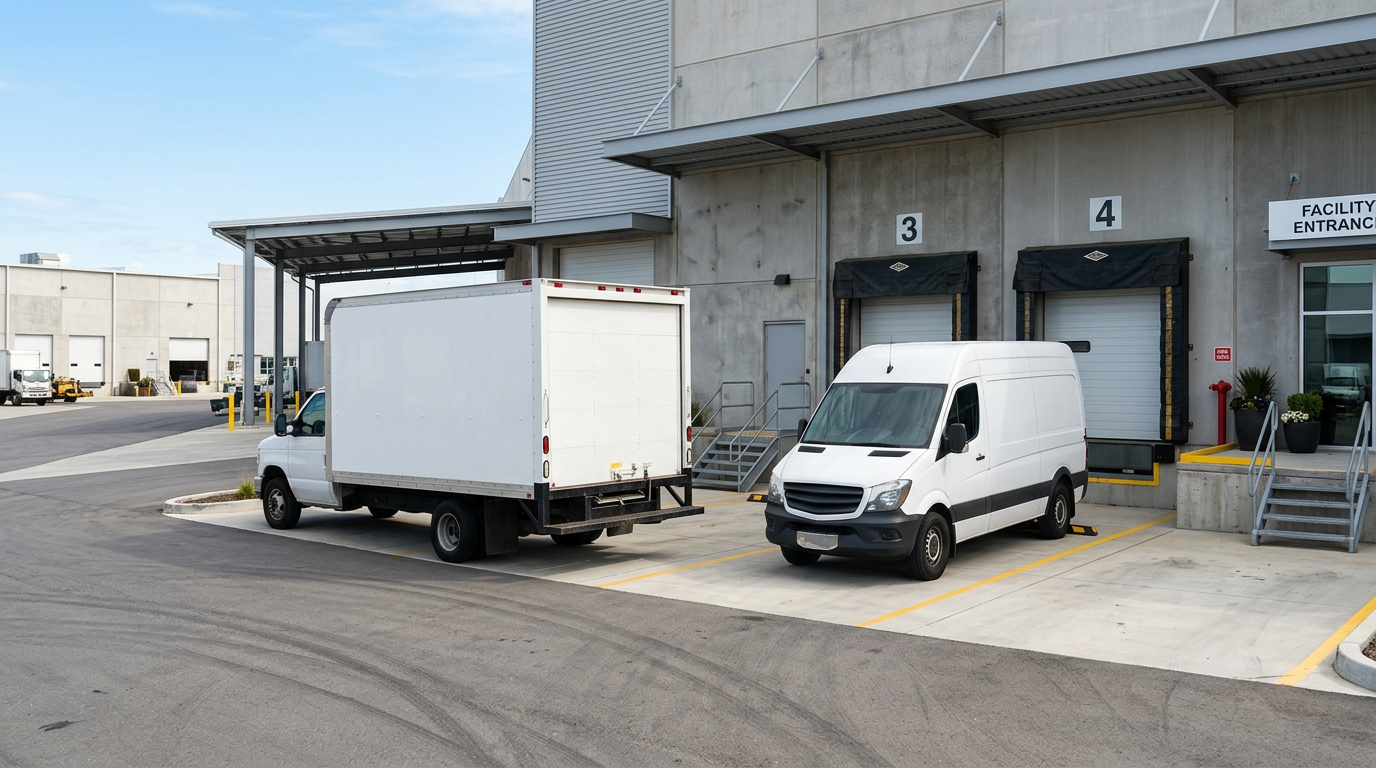
Commercial auto insurance can be tailored to many different business vehicle types. In Miami, the most common include vans, pickups, box trucks, cargo vans, service trucks, trailers, and mixed fleets. Each type of vehicle comes with different risks and insurance needs.
Vans and cargo vans
Cargo vans are popular with HVAC companies, electricians, plumbers, appliance installers, florists, couriers, and mobile service providers. These vehicles often carry tools, parts, and materials that are essential to the job. Coverage should reflect both the vehicle and the business use.
Pickup trucks and work trucks
Pickups and work trucks are common across construction, landscaping, roofing, and general contracting in Miami-Dade. These vehicles often tow trailers, transport equipment, and travel between multiple job sites. If your truck is used to move tools and materials daily, you need a policy that accounts for those exposures.
Box trucks and delivery trucks
Box trucks are used by movers, distributors, furniture businesses, retailers, and logistics companies. Because they are larger, may require special driving skills, and are often loaded with customer goods, they can create higher liability exposure. Damage to cargo, loading docks, or other vehicles can become a major issue after an accident.
Fleets
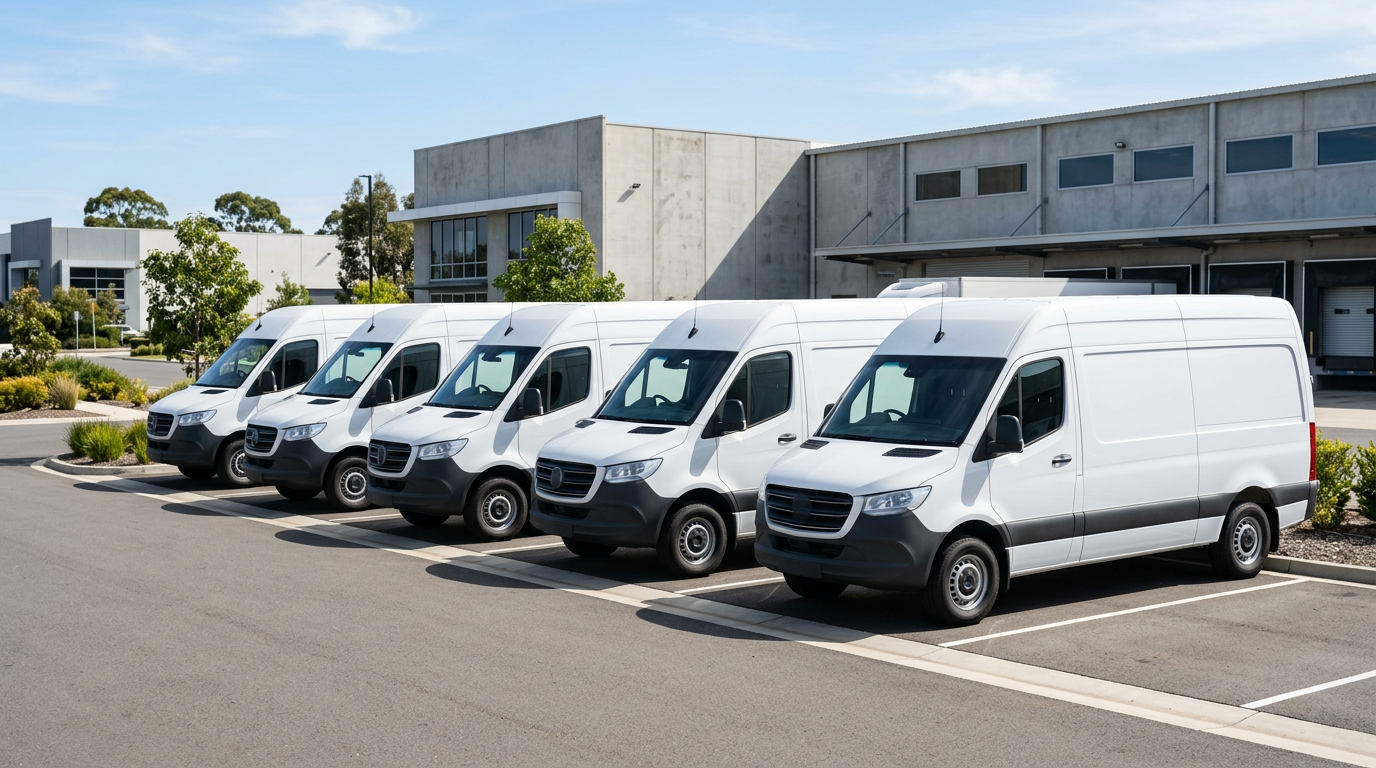
Many Miami businesses operate fleets of several vehicles. This can include service vans, utility trucks, route vehicles, and light-duty commercial autos. Fleet insurance can simplify administration, but it still needs careful review. Driver qualification, vehicle use, garaging locations, and loss history all matter. A fleet policy should match the reality of your routes through Miami neighborhoods, business parks, industrial zones, and job sites across South Florida.
Hotshot and time-sensitive hauling
Hotshot operations and expedited freight services often move urgent loads, equipment, or parts on tight schedules. These businesses may need strong liability protection, proper cargo considerations, and coverage that fits interstate or regional hauling. Because the job can involve frequent highway travel, loading and unloading, and time pressure, the policy should be reviewed with extra care.
No matter the vehicle type, the key question is simple: is the vehicle being used for business in a way that a personal policy was not designed to handle? If yes, commercial auto is usually the right place to start.
5) How TOP Insurance helps Miami businesses
TOP Insurance LLC helps business owners in Miami find commercial auto coverage that matches how they actually operate. Because we are an independent agency, we work with multiple carriers and can compare options for different industries, vehicle types, driver profiles, and insurance goals. That matters in Miami, where one business may only need a single work van and another may need a fleet or trucking solution with higher limits.
We also understand the local market. Miami businesses often operate bilingually, serve diverse communities, and work across neighborhoods where Spanish is part of daily business life. Our team can help explain coverage in clear English or Spanish so you can make informed decisions for your company. Whether you are based in Hialeah, Doral, Kendall, Little Havana, Sweetwater, Allapattah, Miami Gardens, or downtown Miami, we can help review your vehicle use and insurance needs.
How we help:
- Review whether your vehicle should be written as commercial auto
- Compare options from multiple insurance carriers
- Help explain state minimums versus contract-required limits
- Assist with fleets, vans, pickups, box trucks, and hotshot operations
- Support bilingual conversations in English and Spanish
- Provide free quotes based on your actual vehicle use and business needs
We do not guess at coverage. We ask about your industry, who drives, where the vehicle goes, what it carries, and whether any contracts require specific liability limits. That helps us recommend a policy structure that makes sense for Miami businesses and the realities of South Florida roads, weather, and commercial expectations.
6) FAQ
Do I need commercial auto insurance if I use my personal car for work?
If you regularly use a personal vehicle for business tasks, a personal policy may not be enough. If you make deliveries, visit job sites, transport equipment, or drive on behalf of your business, commercial coverage or a business-use endorsement may be necessary depending on the situation. It is important to disclose how the vehicle is used.
Is Florida’s minimum coverage enough for a business vehicle?
Often, no. Florida’s minimums are $10,000 PIP and $10,000 property damage for standard registration, but many commercial clients, lessors, and contracts require much higher liability limits. Businesses in Miami often need more than the state minimum to meet contractual and operational demands.
What if my employees drive their own cars for work?
If employees use personal vehicles for business errands, sales calls, or deliveries, your company may need hired and non-owned auto coverage. This can help protect the business when a worker uses a vehicle not owned by the company for job-related tasks.
Can you insure a fleet or truck operation in Miami?
Yes. Commercial auto can be structured for single vehicles, multiple vehicles, fleets, and trucking-related operations. Interstate for-hire trucking may also need FMCSA-compliant coverage with much higher limits than local business use.
If your Miami business depends on vehicles, the safest next step is to review how those vehicles are used, what contracts require, and whether your current policy truly matches your exposure. Commercial auto insurance helps keep your business moving when the road gets busy, the weather changes quickly, or an accident interrupts the day. TOP Insurance is here to help you compare options, explain the details in plain language, and build a policy that fits the way you work in Miami.
Frequently Asked Questions
Why is a personal auto policy insufficient for business vehicles in Miami?
Personal auto policies typically exclude coverage for vehicles used primarily for business operations, deliveries, or transporting work equipment. If an accident occurs while performing business duties, your personal insurer may deny the claim, leaving your company liable for damages. Commercial auto insurance provides higher liability limits and specific protections tailored to business-related risks.
What types of vehicles can be covered under a commercial auto policy?
Commercial auto insurance can cover a wide variety of business vehicles, including passenger sedans, pickup trucks, cargo vans, box trucks, and service utility vehicles. It applies whether your business operates a single vehicle or an entire fleet used to transport goods, materials, or employees. Coverage can also be customized depending on the size and weight class of the vehicles.
Does Florida law require commercial auto insurance for business-owned vehicles?
Yes, vehicles titled to a business or registered in Florida must carry minimum required automobile liability coverage to comply with state financial responsibility laws. Depending on the size of the vehicle, the industry, or specific commercial transit regulations, state and federal authorities may mandate significantly higher liability limits. Operating without adequate commercial coverage can result in fines, license suspensions, and legal liabilities.
Are personal vehicles driven by employees for work tasks covered by commercial auto insurance?
A standard commercial auto policy generally covers vehicles owned or leased directly by the business rather than personal employee vehicles. To protect your business when employees use their personal cars for company errands or job-site visits, you typically need to add hired and non-owned auto (HNOA) liability coverage. This endorsement helps protect the company if an employee causes an accident while driving for work purposes.
What core coverages are typically included in a Miami commercial auto policy?
A comprehensive commercial auto policy typically includes bodily injury and property damage liability to pay for harm caused to other parties. It also generally features physical damage coverage, which includes collision and comprehensive protections for damage resulting from crashes, theft, vandalism, or severe weather. Additionally, policies often include uninsured/underinsured motorist coverage and medical payments or personal injury protection.

TOP Insurance LLC is a licensed independent insurance agency serving Georgia, Florida, South Carolina, Tennessee, Alabama, Indiana and Texas. Our bilingual team of licensed agents compares options from several carriers to find an alternative that fits your needs and budget. With offices in Duluth, Lawrenceville and Gainesville, GA, we specialize in auto, home, life, health and commercial insurance for the Hispanic community and all residents. Some carriers may offer options for applicants with an ITIN, consular ID, foreign passport or foreign license; required documentation and eligibility depend on each carrier.
Ready for your free quote?
Our bilingual agents help you compare options from multiple carriers to find an alternative that fits your needs and budget. Same-day response, no obligation.