What are the minimum commercial auto insurance requirements in South Carolina?
South Carolina law mandates minimum liability limits of $25,000 for bodily injury per person, $50,000 for bodily injury per accident, and $25,000 for property damage (25/50/25). Additionally, the state requires uninsured motorist coverage matching these same minimum limits. Most businesses secure higher limits to satisfy client contracts, lenders, or federal transportation regulations.
- Insurance type
- commercial-auto
- Languages
- Spanish and English
- Documentation
- Options available depending on carrier and eligibility
- Free quote
- Yes, no obligation
- Carriers
- Several compared
- Phone
- 1-877-579-0587
Fast, free quotes with bilingual agents. No obligation.
Charleston is a city that keeps business moving. From the Port of Charleston and downtown deliveries to service calls in Mount Pleasant, West Ashley, North Charleston, Summerville, and James Island, many local companies depend on vehicles every day. If your business owns, leases, or uses cars, vans, pickup trucks, box trucks, or a small fleet, you likely need commercial auto insurance—not personal auto. In South Carolina, business-owned or business-used vehicles need commercial coverage, and the state requires at least the legal minimum liability limits of 25/50/25, plus uninsured motorist coverage at the same 25/50/25 limits. But in real life, many Charleston businesses need much higher limits because of contracts, lenders, shippers, landlords, and DOT or FMCSA rules.
Charleston’s business landscape makes this especially important. Contractors travel between job sites in quickly growing neighborhoods. Caterers, florists, landscapers, and HVAC companies often drive in heavy traffic on I-26, I-526, Meeting Street, Rivers Avenue, Savannah Highway, and across the bridges that connect the metro area. Coastal weather also matters. Sudden rain, flooding, tropical storms, and hurricane-season disruptions can increase driving risk, while crowded tourist areas can make accidents more likely. If your business depends on vehicles, a commercial auto policy helps protect the company, your employees, and your operations when the unexpected happens.
Who needs commercial auto insurance in Charleston?
If a vehicle is titled to your business, leased in the business name, or mainly used for work, commercial auto insurance is usually the right coverage. Personal auto policies are designed for personal driving, not for business operations. That difference matters because business use can involve more time on the road, heavier loads, employees driving, and higher exposure to claims.
In Charleston, commercial auto insurance is commonly used by:
- Contractors and tradespeople driving vans, pickups, and cargo trucks
- Delivery businesses serving downtown Charleston and surrounding neighborhoods
- Landscaping and maintenance companies using trucks and trailers
- Cleaning companies, pest control companies, and mobile service providers
- Restaurants, caterers, and event businesses transporting supplies or equipment
- Real estate, property management, and inspection businesses with vehicles on the road daily
- Construction and hauling companies working across the Lowcountry
- Small fleets with multiple work vehicles and multiple drivers
Many Hispanic-owned businesses in the Charleston area also rely on vehicles to serve residential and commercial customers across the region. Whether you are running a family business, a growing contracting company, or a logistics operation, the right auto policy can help keep work moving if a crash, theft, vandalism, or damage interrupts your schedule.
What commercial auto covers vs. personal auto
Commercial auto insurance is built for business use. Personal auto is not. That distinction is important because an accident in a work vehicle can create claims involving business liability, employees, tools, cargo, and customers. A commercial policy can be structured to fit the type of driving your business actually does.
Commercial auto often covers:
- Liability for bodily injury and property damage if your driver causes a crash
- Collision coverage for damage to your insured vehicle from an accident
- Comprehensive coverage for non-collision losses such as theft, vandalism, fire, or weather-related damage
- Medical payments or similar options, depending on the policy
- Uninsured/underinsured motorist coverage, where applicable and required
- Coverage for hired or non-owned vehicles, if your business uses rented vehicles or employees’ personal cars for work
Personal auto policies usually do not provide the right protection when a vehicle is being used primarily for business. They may exclude or limit claims tied to commercial activity, deliveries, transporting equipment, or employees driving for work. That can become a serious problem after a loss, especially if the vehicle is essential to revenue.
In Charleston, where many companies combine local service calls with regional travel, commercial auto can help bridge the gap between a standard personal policy and the real demands of business operations. For example, a contractor driving from West Ashley to a job near Daniel Island, or a delivery driver traveling through downtown traffic, may face much different risks than a driver using a car only for errands and commuting.
Why the right policy structure matters
A commercial auto policy can be tailored to the way your business operates. You may need coverage for one vehicle or many. You may need to cover multiple drivers, seasonal drivers, or family members who also help in the business. You may need special handling for trailers, equipment, or vehicles that move outside South Carolina.
It is also important to understand that commercial auto coverage does not automatically replace every other business insurance need. Tools, ladders, inventory, and mobile equipment may need inland marine or other coverage. A business umbrella may be necessary to help extend liability protection. TOP Insurance can help evaluate the full picture so you are not assuming a policy covers more than it does.
Higher limits required by contracts, lessors, DOT, and FMCSA
South Carolina sets a legal minimum, but many business relationships require more. In the state, the minimum auto liability and uninsured motorist coverage is 25/50/25. That means the law requires at least those limits, but it does not mean they are enough for every business. For many Charleston companies, especially those that work with commercial clients or move goods regionally, the minimum is often only the starting point.
Clients, property managers, general contractors, landlords, lenders, and vehicle lessors often require higher liability limits before they will sign a contract or release a vehicle. Some may ask for limits such as a combined single limit of $500,000 to $1,000,000, or another proof-of-insurance threshold based on the job. These requirements are common in Charleston’s construction, logistics, service, and commercial real estate markets.
If your business hauls goods, moves equipment, or operates across state lines, federal rules may also apply. Interstate for-hire trucking is regulated by the Federal Motor Carrier Safety Administration, and those operations generally require at least $750,000 in liability coverage, with higher requirements in some situations. That is a very different standard from South Carolina’s minimum. If you are running a truck, hotshot, or freight operation, it is important to know whether your work is local, intrastate, interstate, private carrier, or for-hire, because the insurance and filing needs can change.
- State minimums are only the floor, not the business standard
- Many contracts require proof of much higher liability limits
- Leased or financed vehicles may have insurance conditions in the agreement
- Interstate trucking and for-hire operations may trigger FMCSA requirements
- Umbrella or excess liability may be useful for larger operations
Charleston businesses often grow quickly and add more routes, more vehicles, or more job sites over time. A policy that worked when you had one truck may not fit once you add a second driver, start hauling farther, or begin working under a general contractor’s insurance terms. Reviewing your limits before renewal can help prevent delays in signing contracts or starting work.
Vehicle types we commonly insure
Commercial auto insurance can be written for many different business vehicles. In Charleston, the most common commercial vehicle types reflect the local economy: service businesses, hospitality support, construction, trade work, deliveries, and transportation.
Common vehicle categories include:
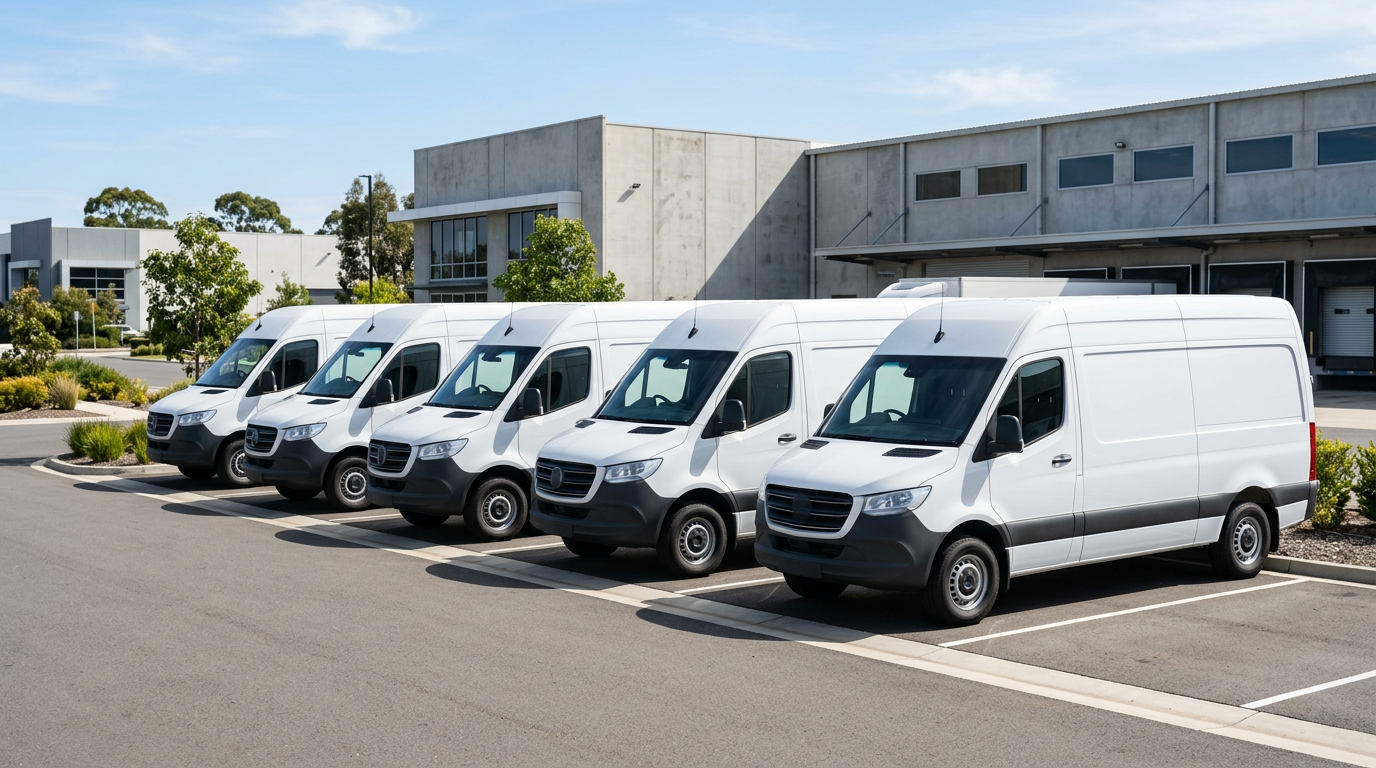
- Vans: Cargo vans, passenger vans, and service vans used by contractors, mobile repair companies, and delivery teams
- Pickup trucks: Work trucks used by builders, plumbers, electricians, landscapers, and maintenance crews
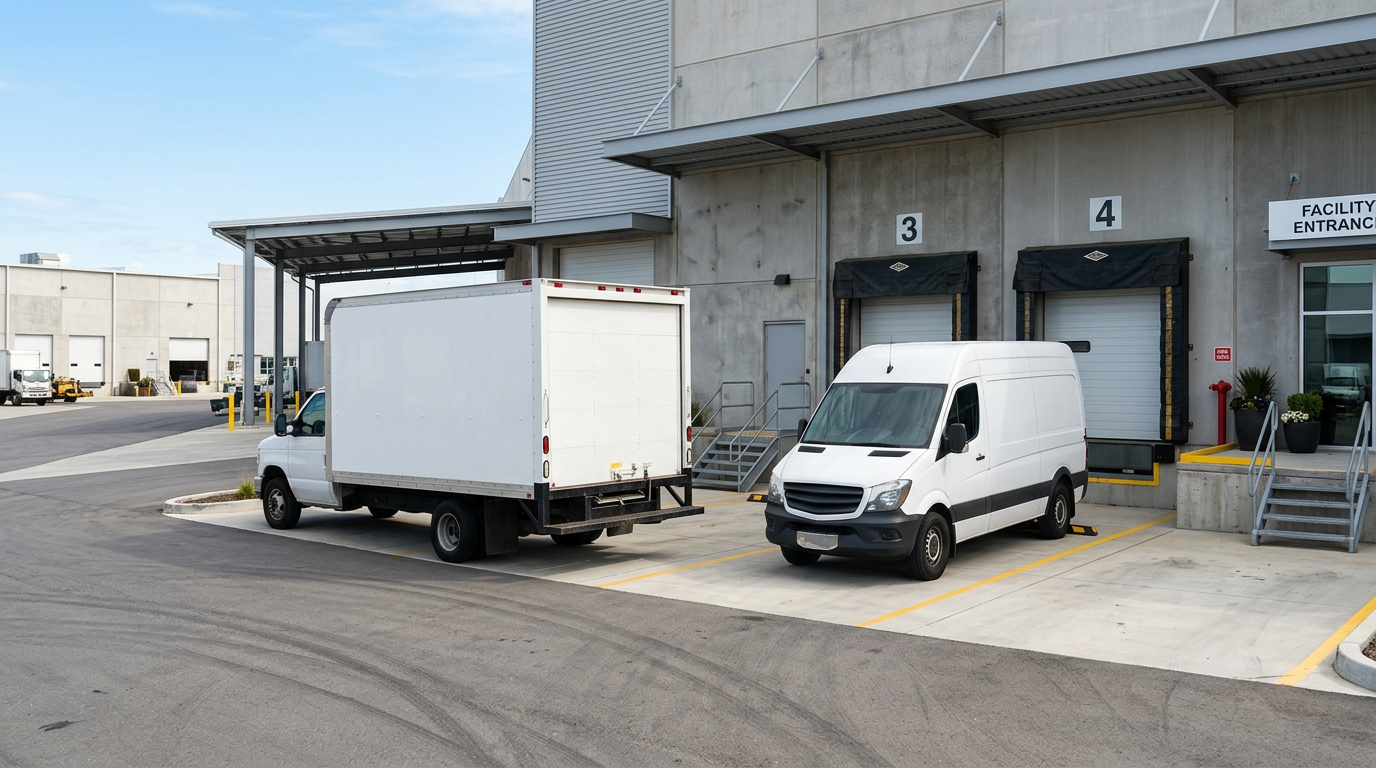
- Box trucks: Larger trucks for moving, deliveries, furniture, supplies, and equipment transport
- Fleet vehicles: Multiple company cars or trucks insured under one business policy
- Hotshot trucks: Light-duty hauling setups used for expedited freight and equipment transport, which may require special underwriting and proof of operating authority depending on the work
- Trailers and connected equipment: Depending on the policy and vehicle setup, additional coverage may be needed
Charleston’s road conditions can also affect the kind of coverage you choose. Urban congestion, bridge traffic, narrow streets in historic areas, parking challenges, and weather exposure all add risk. A work truck parked near the coast or frequently exposed to storms may benefit from comprehensive coverage. A fleet that rotates multiple drivers may need strong liability controls and clear driver lists. A hotshot operation traveling beyond South Carolina may need to account for interstate rules, cargo expectations, and customer requirements.
If your business uses personal vehicles for work, you may also need coverage for hired and non-owned autos. This can help protect the business when employees drive their own cars on company errands or when you rent a vehicle for a job. The right structure depends on how often the vehicle is used, who owns it, and what kind of work it supports.
Why Charleston businesses choose TOP Insurance
TOP Insurance LLC works with businesses across Georgia, Florida, South Carolina, Tennessee, Alabama, Indiana, and Texas, and we understand the realities of operating in Charleston and the surrounding Lowcountry. We help business owners compare options from multiple carriers so they can look for a policy that fits the vehicle, the route, the contracts, and the required limits.
For Charleston business owners, that can mean help with:
- Commercial auto for single vehicles or full fleets
- Policies for contractors, service companies, delivery operations, and haulers
- Higher liability limits when contracts require more than state minimums
- Coverage discussions for hotshot, trucking, and interstate operations
- Bilingual support for English- and Spanish-speaking business owners and drivers
- Free quotes and help comparing options without pressure
We know many local businesses serve diverse communities, including Charleston’s growing Hispanic population. Clear communication matters when you are choosing limits, adding drivers, or reviewing certificate requirements. Our goal is to make commercial auto insurance easier to understand so you can focus on your business instead of worrying about whether a vehicle is properly covered.
If you are not sure whether you need a commercial policy, a business auto endorsement, or coverage for hired and non-owned vehicles, we can help sort it out. The right answer depends on ownership, use, and risk—not just the vehicle type.
FAQ
Do I need commercial auto insurance if I use my personal truck for work in Charleston?
If the truck is mainly used for business, your personal auto policy may not be enough. Business use, deliveries, hauling, and regular work travel often require commercial coverage or another business auto solution.
What are the minimum auto insurance requirements in South Carolina?
South Carolina requires at least 25/50/25 liability coverage, and uninsured motorist coverage is also mandatory at the same 25/50/25 limits. Many businesses need higher limits because of contracts or operating requirements.
Do Charleston contractors need higher limits than the state minimum?
Often, yes. General contractors, property managers, and commercial clients may require proof of much higher liability limits before work can begin. Some request combined single limits in the $500,000 to $1,000,000 range, depending on the project.
Does commercial auto cover interstate trucking?
It can, but interstate for-hire trucking is federally regulated and may require additional filings and liability limits under FMCSA rules. If your trucks cross state lines, it is important to confirm the policy fits your operation.
Whether you are driving a single work truck in West Ashley or managing a fleet serving the Charleston metro area, commercial auto insurance is a key part of protecting your business. The right policy can help you meet legal requirements, satisfy contract terms, and keep your company moving when road risks show up unexpectedly.
Frequently Asked Questions
What are the minimum commercial auto insurance requirements in South Carolina?
South Carolina law mandates minimum liability limits of $25,000 for bodily injury per person, $50,000 for bodily injury per accident, and $25,000 for property damage (25/50/25). Additionally, the state requires uninsured motorist coverage matching these same minimum limits. Most businesses secure higher limits to satisfy client contracts, lenders, or federal transportation regulations.
Can Charleston business owners rely on a personal auto policy for business operations?
No, personal auto policies typically exclude coverage for vehicles used primarily for business tasks, commercial deliveries, or transporting equipment between job sites. If an employee causes an accident while performing work duties, a personal auto insurer will likely deny the claim. A dedicated commercial auto policy is required to protect business assets from liability.
Why should Charleston businesses consider carrying more than the state-required minimum coverage?
Charleston features high-traffic corridors like I-26 and I-526, along with bridge crossings and congested historic streets where severe accidents can easily exceed minimum limits. Furthermore, general contractors, commercial lenders, and clients frequently mandate higher liability thresholds before allowing vehicles on job sites. Carrying higher limits or adding a commercial umbrella policy protects the company from catastrophic out-of-pocket losses.
How does coastal weather in Charleston impact commercial auto insurance needs?
The Lowcountry frequently experiences tropical storms, flash flooding, and severe coastal weather events that can cause total vehicle loss. Comprehensive coverage—often paired with collision coverage under physical damage insurance—is essential to protect business vehicles against flood damage, falling debris, and windstorm incidents. Without comprehensive coverage, repairs or vehicle replacements from weather-related events are not covered.
Does commercial auto insurance cover employees driving their personal vehicles for work?
A standard commercial auto policy covers vehicles owned or leased by the business, not personal vehicles driven by employees. To cover liability risks when workers use their personal cars for sales calls, errands, or deliveries, businesses should add hired and non-owned auto (HNOA) coverage. This endorsement protects the company if an employee causes an accident while on company time.

TOP Insurance LLC is a licensed independent insurance agency serving Georgia, Florida, South Carolina, Tennessee, Alabama, Indiana and Texas. Our bilingual team of licensed agents compares options from several carriers to find an alternative that fits your needs and budget. With offices in Duluth, Lawrenceville and Gainesville, GA, we specialize in auto, home, life, health and commercial insurance for the Hispanic community and all residents. Some carriers may offer options for applicants with an ITIN, consular ID, foreign passport or foreign license; required documentation and eligibility depend on each carrier.
Ready for your free quote?
Our bilingual agents help you compare options from multiple carriers to find an alternative that fits your needs and budget. Same-day response, no obligation.