Do I need commercial auto if my vehicle is titled in my name but used for business?
Often, yes. The deciding factor is usually how the vehicle is used. If it is regularly used for work tasks such as hauling tools, transporting materials, making deliveries, or visiting job sites, a commercial auto policy may be necessary even if the title is not in the business name.
- Insurance type
- commercial-auto
- Languages
- Spanish and English
- Documentation
- Options available depending on carrier and eligibility
- Free quote
- Yes, no obligation
- Carriers
- Several compared
- Phone
- 1-877-579-0587
Fast, free quotes with bilingual agents. No obligation.
Who needs commercial auto insurance in Tampa?
If your business in Tampa owns, leases, or regularly uses vehicles for work, commercial auto insurance is often the right coverage. Personal auto policies are designed for personal use, not business operations. That distinction matters in a city like Tampa, where companies rely on vehicles every day to serve customers, move products, visit job sites, and keep crews on schedule.
Tampa’s business community is broad and active. Contractors work across neighborhoods like Carrollwood, Westchase, New Tampa, Brandon, and South Tampa. Restaurants and caterers travel between downtown Tampa, the Channel District, Ybor City, and the Westshore district. Service businesses, distributors, landscapers, HVAC companies, cleaning crews, and mobile businesses all depend on vehicles to do their work. If a car, van, pickup, box truck, or fleet vehicle is used to generate income, transport tools, deliver goods, or carry employees between jobs, it should usually be protected with commercial auto coverage.
Commercial auto is also important for businesses that use vehicles to transport materials through busy local routes such as I-4, I-275, the Selmon Expressway, US-92, Dale Mabry Highway, Hillsborough Avenue, Fowler Avenue, and the Veterans Expressway. Tampa driving can involve heavy traffic, sudden rain, construction zones, tourist traffic, and frequent stop-and-go conditions. Those risks increase the chance of accidents, making proper coverage important for protecting your business assets and keeping operations moving.
Businesses that should review commercial auto in Tampa include:
- Contractors, remodelers, electricians, plumbers, painters, and HVAC companies
- Landscapers, tree services, and hauling businesses
- Delivery companies, couriers, and local distributors
- Restaurants, caterers, and food trucks that use vehicles for work
- Real estate teams, inspection companies, and mobile service businesses
- Businesses with one vehicle or a full fleet
Even if you do not own the vehicle outright, you may still need commercial coverage if the vehicle is leased, financed for business use, titled to a business, or used primarily for work. The key question is not just who owns the vehicle, but how it is used.
What commercial auto covers vs. personal auto
Commercial auto insurance is built for business use. Personal auto coverage generally excludes or limits claims that arise from work-related driving. That means if an employee uses a personal policy-covered vehicle to make deliveries, haul tools, visit job sites, or carry clients, the insurance company may deny a claim if the use was commercial in nature.
Commercial auto policies can help cover liability and physical damage related to business driving. Depending on the policy and vehicles insured, coverage may include:
- Liability coverage for bodily injury and property damage you cause to others
- Collision coverage for damage to your covered vehicle after a crash
- Comprehensive coverage for non-collision losses such as theft, vandalism, fire, falling objects, or storm damage
- Medical payments or personal injury protection options depending on the policy structure and state rules
- Uninsured/underinsured motorist coverage where available and selected
- Coverage for hired and non-owned autos if employees use rented vehicles or their own vehicles for work
In Florida, the state minimum framework is different from many other states because Florida is a no-fault state. For standard registration, Florida requires at least $10,000 Personal Injury Protection and $10,000 property damage liability. Bodily injury liability is not required for standard registration. However, minimum state registration rules are not the same as what a business actually needs to stay protected. A business vehicle can face much greater exposure than a personal vehicle because it may carry equipment, make frequent stops, transport employees, or operate for long hours in traffic.
That is why many Tampa businesses choose broader commercial auto protection than the bare minimum. A single accident can involve damaged vehicles, injured drivers, lost work time, and third-party claims. If your company relies on one vehicle to serve customers in Hillsborough County and beyond, a gap in coverage can disrupt cash flow and create serious legal and financial stress.
Another important difference is how a commercial policy responds to business assets. If a company-owned pickup, van, or box truck is damaged while on a job site in Tampa or while parked near a warehouse in East Tampa or the Port area, commercial physical damage coverage may help pay to repair or replace the vehicle according to policy terms. Personal auto typically does not address the same business exposures.
Higher limits required by contracts, lessors, and DOT/FMCSA
Many Tampa businesses need more than the state minimum because other parties require higher limits before they will do business. This is common with contracts, leased vehicles, lenders, property owners, general contractors, and government projects. A customer may ask for proof of insurance with specific limits before you can start work. A lessor or finance company may also require certain coverage levels to protect their interest in the vehicle.
For many commercial operations, the required limit is not based on Florida’s registration minimum. Instead, it is based on the risk level of the job. It is common for clients and lessors to request much higher liability limits, often in the range of a combined single limit of $500,000 to $1,000,000. The exact requirement depends on the contract, the type of work, and the vehicle involved.
If your business operates in or around Tampa’s construction, logistics, marine, healthcare, hospitality, or service sectors, you may encounter these requirements often. A contractor working on projects near downtown Tampa or Westshore may need to show certificates of insurance before entering a worksite. A delivery business serving retailers around International Plaza, WestShore Plaza, or the port area may need to meet shipper expectations. A landscaper or tree service operating throughout Hillsborough County may need proof of higher coverage to satisfy property management or commercial clients.
For interstate for-hire trucking, the requirements can be even more specific. FMCSA-regulated trucking operations typically must carry federal minimum liability levels of at least $750,000, and higher limits may be required depending on cargo and operating authority. If your business hauls freight across state lines from Tampa to Georgia, Alabama, the Carolinas, or beyond, you should confirm that your policy meets FMCSA and shipper requirements before you hit the road.
It is also important to remember that the right limit is not just about compliance. It is about protecting the business after a serious accident. In a busy metro area like Tampa, where work trucks share the road with commuters, freight carriers, motorcycles, and tourist traffic, a larger loss can quickly exceed basic minimums. Higher limits can help your company stay financially stable if a claim becomes large.
Businesses should review their commercial auto limits when:
- Signing a new contract or subcontract
- Leasing or financing a work vehicle
- Adding drivers or vehicles
- Taking on interstate driving or hauling
- Working on public, municipal, or large commercial projects
- Expanding from local service calls to regional operations
Vehicle types: vans, trucks, fleets, and hotshot
Tampa businesses use many types of vehicles, and the policy should match the way each one is used. The right coverage for a service van is not always the same as the right coverage for a tractor-trailer or a hotshot rig. An experienced commercial auto agent can help make sure each vehicle is classified correctly and insured for the actual operation.
Vans
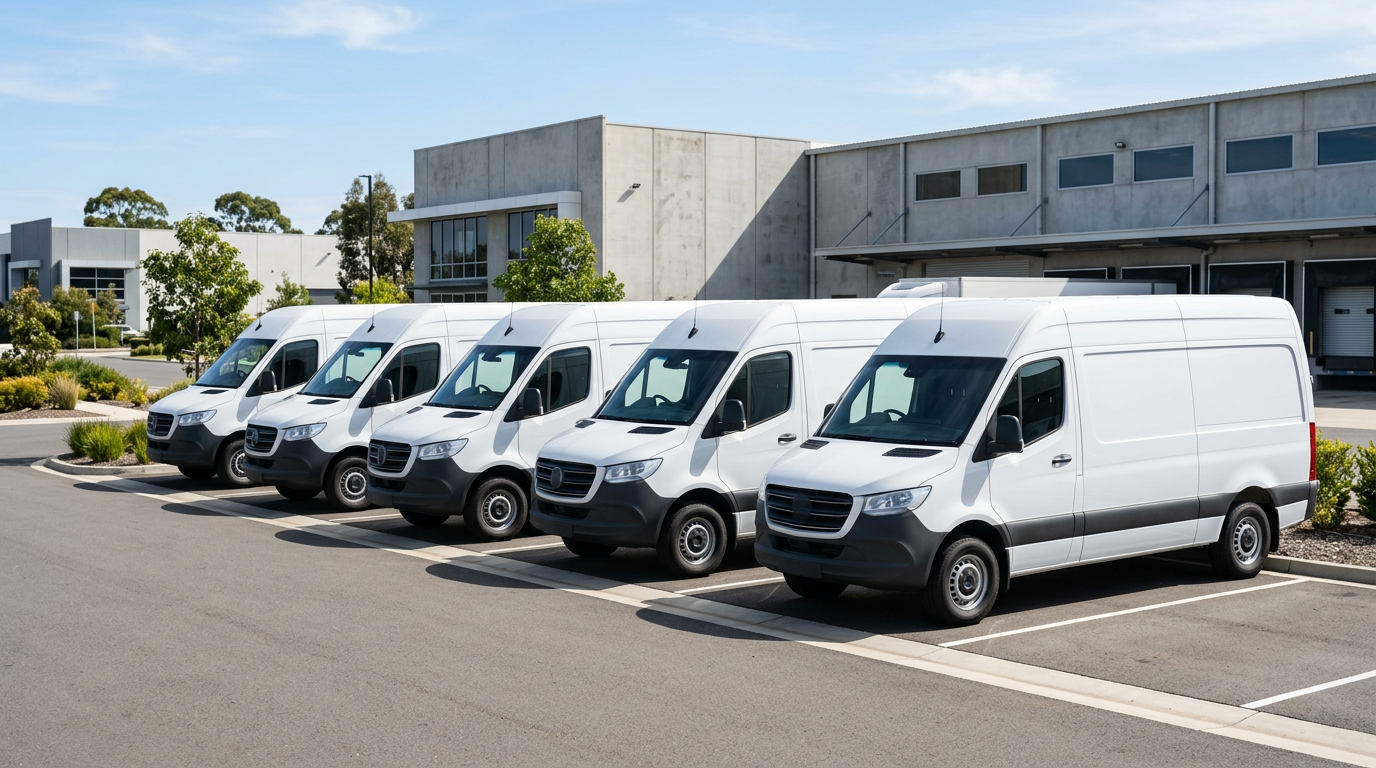
Service vans are common across Tampa because they are practical for contractors, mobile technicians, and service businesses. They may carry tools, parts, ladders, and equipment. Whether the van is used by an electrician in South Tampa, a pest control company in New Tampa, or an HVAC crew traveling across Hillsborough County, commercial auto helps protect the vehicle and the business from work-related driving losses.
Pickup trucks and box trucks
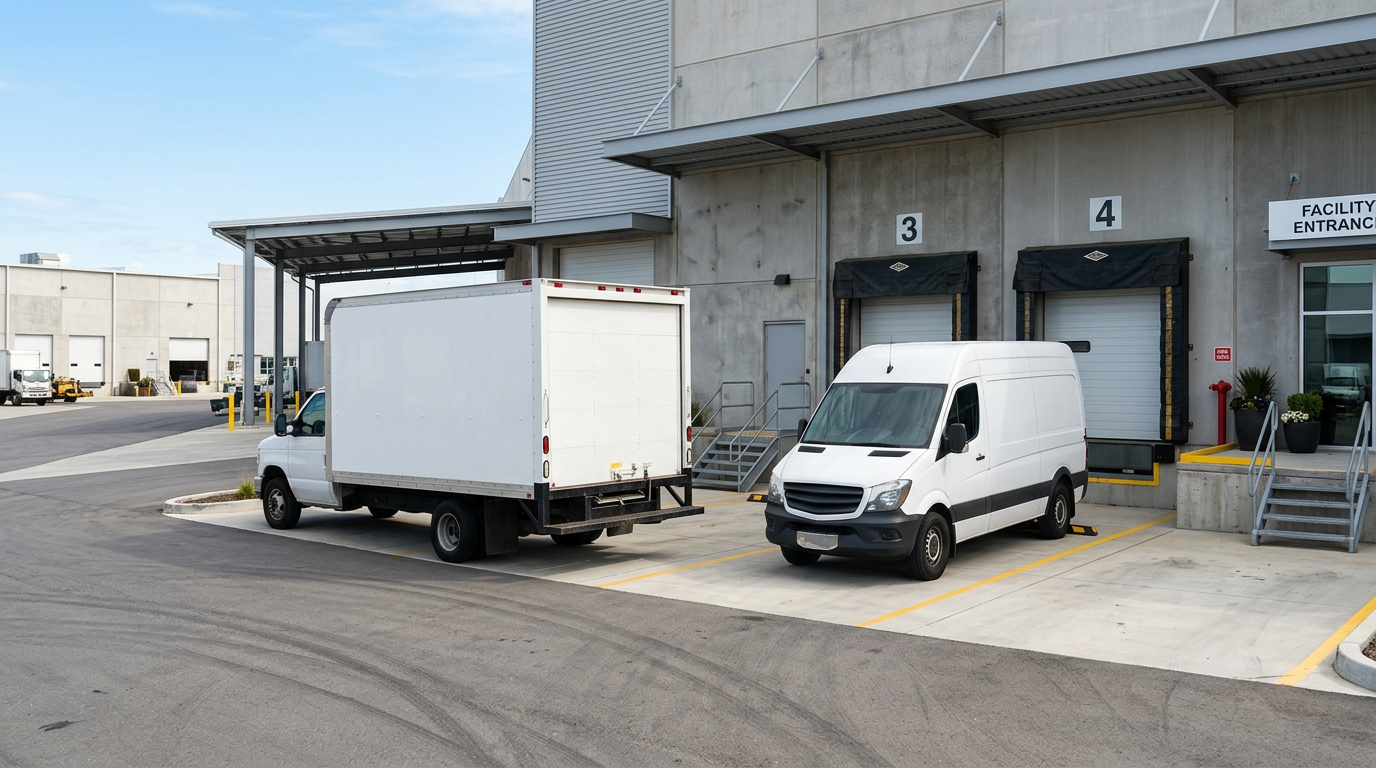
Pickup trucks are widely used by builders, landscapers, roofers, and general service businesses. Box trucks and larger delivery trucks are often used by moving companies, furniture businesses, wholesalers, and local distributors. These vehicles usually create more exposure because they are larger, may carry valuable cargo, and may spend more hours on the road. Commercial auto coverage can be tailored to the vehicle size, territory, and use.
Fleets
Businesses with multiple vehicles need a policy structure that can handle different drivers, different vehicles, and different routes. A fleet may include work vans, pickups, passenger vehicles, trailers, and specialty units. Tampa companies that manage dispatch, delivery, or field service often need a flexible policy that keeps the entire operation insured under one plan. This can be especially useful for businesses with employees driving between job sites throughout the Tampa Bay area.
Hotshot and expedited hauling
Hotshot trucking and expedited hauling are common business models for companies that move time-sensitive loads with smaller trucks and trailers. These operations may run locally, regionally, or across state lines. Because the vehicles are used commercially and often under tight deadlines, insurance should reflect the actual business use, cargo, and operating radius. If you haul for-hire freight, especially across state lines, your policy must align with both state and federal rules.
Other specialty uses may include food trucks, dump trucks, tow trucks, dump trailers, utility vehicles, and contractor trailers. Each one has different risks. A food truck in Tampa’s busy event and entertainment scene may need a policy that reflects both driving and equipment exposure. A tow truck faces roadside hazards and frequent traffic interaction. A dump truck may operate around construction sites, where debris, uneven ground, and heavy equipment create added risk. The policy should be built around the real world conditions your business faces.
Tampa weather also matters. Thunderstorms, tropical systems, flooding, and high summer heat can affect roads and vehicle reliability. Parking lots and job sites can become hazardous during heavy rain. Commercial auto coverage should be reviewed with these local conditions in mind, especially for businesses that park vehicles outdoors or work year-round in Florida weather.
How TOP Insurance helps Tampa businesses
TOP Insurance LLC helps Tampa business owners find commercial auto coverage that fits the way they operate. As an independent agency, we can compare options from multiple carriers instead of pushing only one company’s policy. That matters when you need to balance coverage requirements, vehicle type, driver history, and business use.
We also know that many Tampa-area businesses are bilingual or serve Spanish-speaking customers and employees. Our bilingual service helps make the quoting and coverage review process easier for business owners who prefer English or Spanish. Clear communication is important when you are discussing drivers, certificates of insurance, vehicle schedules, contract requirements, and policy limits.
Whether you run one service van in West Tampa or a multi-vehicle operation serving the entire Tampa Bay area, our team can help you compare commercial auto options and identify where your current coverage may fall short. We can help with:
- Commercial auto for single vehicles and fleets
- Coverage for vans, pickups, trucks, trailers, and specialty vehicles
- Policy reviews for contract and certificate requirements
- Help understanding Florida minimums versus business needs
- Options for local, regional, and interstate operations
- Free quotes from multiple carriers
Our goal is to make the process simple and practical. Instead of guessing whether a personal auto policy is enough, we help Tampa businesses confirm what coverage is appropriate before there is a claim. That proactive approach can save time, reduce stress, and help your business stay focused on serving customers.
If you need to insure a company vehicle in Tampa, especially for work use, don’t wait until after an accident or contract issue to review your policy. Commercial auto insurance is one of the most important protections for businesses that depend on transportation every day.
Frequently asked questions
Do I need commercial auto if my vehicle is titled in my name but used for business?
Often, yes. The deciding factor is usually how the vehicle is used. If it is regularly used for work tasks such as hauling tools, transporting materials, making deliveries, or visiting job sites, a commercial auto policy may be necessary even if the title is not in the business name.
Does Florida require bodily injury liability for commercial auto?
For standard registration, Florida requires at least $10,000 PIP and $10,000 property damage. Bodily injury liability is not required for standard registration. However, many business contracts and lenders require much higher liability limits, so you should not rely on registration minimums alone.
What if my clients ask for higher limits?
That is common in Tampa. Many clients, general contractors, property managers, and lessors require proof of much higher limits, often well above the state minimum. We can help you review contract language and find a policy that meets the requirement.
Can you help with trucking and interstate hauling?
Yes. Interstate for-hire trucking is federally regulated by FMCSA and typically requires at least $750,000 in liability coverage, with higher amounts sometimes required depending on cargo and operation. We can help you review the requirements and compare coverage options.

TOP Insurance LLC is a licensed independent insurance agency serving Georgia, Florida, South Carolina, Tennessee, Alabama, Indiana and Texas. Our bilingual team of licensed agents compares options from several carriers to find an alternative that fits your needs and budget. With offices in Duluth, Lawrenceville and Gainesville, GA, we specialize in auto, home, life, health and commercial insurance for the Hispanic community and all residents. Some carriers may offer options for applicants with an ITIN, consular ID, foreign passport or foreign license; required documentation and eligibility depend on each carrier.
Ready for your free quote?
Our bilingual agents help you compare options from multiple carriers to find an alternative that fits your needs and budget. Same-day response, no obligation.