Why can't I use a personal auto policy for my business vehicles in Mobile?
Personal auto insurance policies generally exclude coverage for vehicles used primarily for commercial purposes, deliveries, or driven by employees. If an accident occurs while conducting business operations, a personal insurer may deny the claim, leaving your business financially liable. A commercial auto policy is specifically designed to cover higher liability limits and the unique risks associated with business operations.
- Insurance type
- commercial-auto
- Languages
- Spanish and English
- Documentation
- Options available depending on carrier and eligibility
- Free quote
- Yes, no obligation
- Carriers
- Several compared
- Phone
- 1-877-579-0587
Fast, free quotes with bilingual agents. No obligation.
If your business in Mobile, Alabama uses vehicles to move people, deliver goods, visit job sites, support operations, or travel between ports and customers, commercial auto insurance is often essential. In a Gulf Coast city known for shipbuilding, aerospace, maritime commerce, construction, and service industries, business vehicles face daily exposure on busy roads, industrial corridors, loading areas, and interstate routes. From contractors and distributors to local service companies and trucking operations, the right commercial auto policy helps protect your business when a vehicle is part of the job.
Commercial auto insurance is not the same as personal auto insurance. A personal policy is built for personal driving, not business use. If a vehicle is owned by your company, titled to the business, used by employees, or primarily driven for work, you may need a commercial policy. In many cases, businesses in Mobile need coverage because a single accident can involve injuries, property damage, downtime, cargo interruptions, or contract disputes. For companies that cross state lines or operate under federal transportation rules, the coverage requirements can become even more demanding.
Who needs commercial auto insurance in Mobile?
Many different businesses in Mobile need commercial auto coverage. Some are obvious, like trucking companies and delivery fleets. Others may not realize they need it until a claim is denied under a personal policy. If a vehicle is used for business purposes, the risk profile changes, and so does the insurance need.
Common Mobile businesses that may need commercial auto
- Construction and subcontracting businesses
- Plumbers, electricians, HVAC companies, and other contractors
- Delivery and courier services
- Landscape and lawn care businesses
- Cleaning and maintenance companies
- Sales teams and service providers who travel to clients
- Shuttle, livery, and passenger transport operations
- Port-related and maritime support businesses
- Fleet operators and commercial trucking companies
Mobile’s economy includes industries that rely on transportation every day. Port activity, industrial shipping, construction projects, and regional distribution all create situations where business vehicles are part of the operation. If employees drive company vans to job sites, if your team uses pickup trucks to haul tools, or if your business depends on a fleet to keep revenue moving, commercial auto coverage deserves serious attention.
Even small businesses may need it. A single van used for deliveries, a pickup truck hauling equipment, or a sedan titled under the company name can trigger the need for a commercial policy. If an employee causes an accident while driving for work, the business may face liability exposure that personal coverage was never designed to address.
What commercial auto covers versus personal auto
Commercial auto insurance is designed for vehicles used in business operations. While the exact coverages depend on the policy and carrier, commercial auto generally helps pay for bodily injury and property damage liability, plus physical damage coverage if selected. It can also support protection for business-owned vehicles, hired vehicles, and sometimes non-owned auto exposures.
Personal auto insurance, by contrast, is intended for commuting and personal driving. It usually does not provide the right protection for vehicles used regularly in business. If your business uses a vehicle to transport tools, make deliveries, carry inventory, transport clients, or move between job sites, a personal policy may not be enough.
Typical coverages found in a commercial auto policy
- Liability coverage: Helps pay for injuries or property damage you cause to others in an accident.
- Collision coverage: Helps repair or replace your covered vehicle after a crash with another vehicle or object.
- Comprehensive coverage: Helps with losses from theft, vandalism, fire, weather, or other non-collision events.
- Medical payments or similar protection: May help cover medical costs for injured occupants, depending on the policy.
- Uninsured/underinsured motorist coverage: May help if another driver has too little insurance.
- Hired and non-owned auto coverage: May help protect businesses when employees use rental vehicles or their own cars for work-related driving.
Commercial auto insurance is often broader and more flexible than personal auto because businesses face more complex exposures. Vehicles may carry tools or inventory, travel long distances, operate on tight schedules, or be driven by multiple employees. These differences matter when a claim happens.
For example, a contractor driving from a supply yard to a downtown Mobile job site may be hauling tools, equipment, and materials. A delivery driver may stop frequently in traffic-heavy areas. A fleet vehicle may be used by several workers in a single week. These realities make commercial coverage important, because the policy needs to match how the vehicle is actually used.
Why higher limits are often required
Alabama law sets a minimum liability requirement of 25/50/25, which means $25,000 bodily injury per person, $50,000 bodily injury per accident, and $25,000 property damage. That is the legal minimum, but it is often not enough for a business vehicle. Clients, property owners, lenders, lessors, and the Department of Transportation may require much higher liability limits before they will do business with you or allow your vehicles on a job.
Many commercial contracts call for higher limits, often expressed as a combined single limit such as $500,000 or $1,000,000. The reason is simple: business-related accidents can create larger losses than personal driving. A work truck can damage a job site, injure multiple people, or interrupt a project. A delivery van can cause damage in a busy commercial area. A fleet vehicle can create a claim that affects not just one driver, but the entire business operation.
When higher limits may be expected
- Government or municipal contracts
- Commercial lease agreements
- Construction job requirements
- Warehouse, port, or industrial access agreements
- Certificates of insurance requested by clients
- Broker, shipper, or freight contracts
- DOT or federal transportation compliance
If you are bidding on work in Mobile, especially in construction, logistics, marine support, or industrial services, do not assume the state minimum will be enough. Many businesses lose opportunities because their insurance limits do not meet contract terms. Reviewing those requirements in advance can save time and help prevent costly delays.
FMCSA and interstate for-hire trucking
Interstate for-hire trucking is federally regulated by the Federal Motor Carrier Safety Administration, or FMCSA. These businesses often must maintain minimum liability coverage of at least $750,000, and some operations require even more depending on the cargo and hauling setup. If your trucking business hauls freight across state lines, your insurance has to align with federal requirements as well as customer expectations.
This is especially important in a port city like Mobile, where freight, shipping, and logistics are part of the local economy. Trucks moving goods to and from the port, warehouses, industrial facilities, and regional distribution centers can face unique exposure. A properly structured commercial auto policy helps support compliance and risk management for those operations.
Vehicle types commonly insured in Mobile
Commercial auto insurance can be written for many types of business vehicles. The right policy depends on what you drive, how you use it, who drives it, and whether it stays within Alabama or crosses state lines.
Common vehicle types
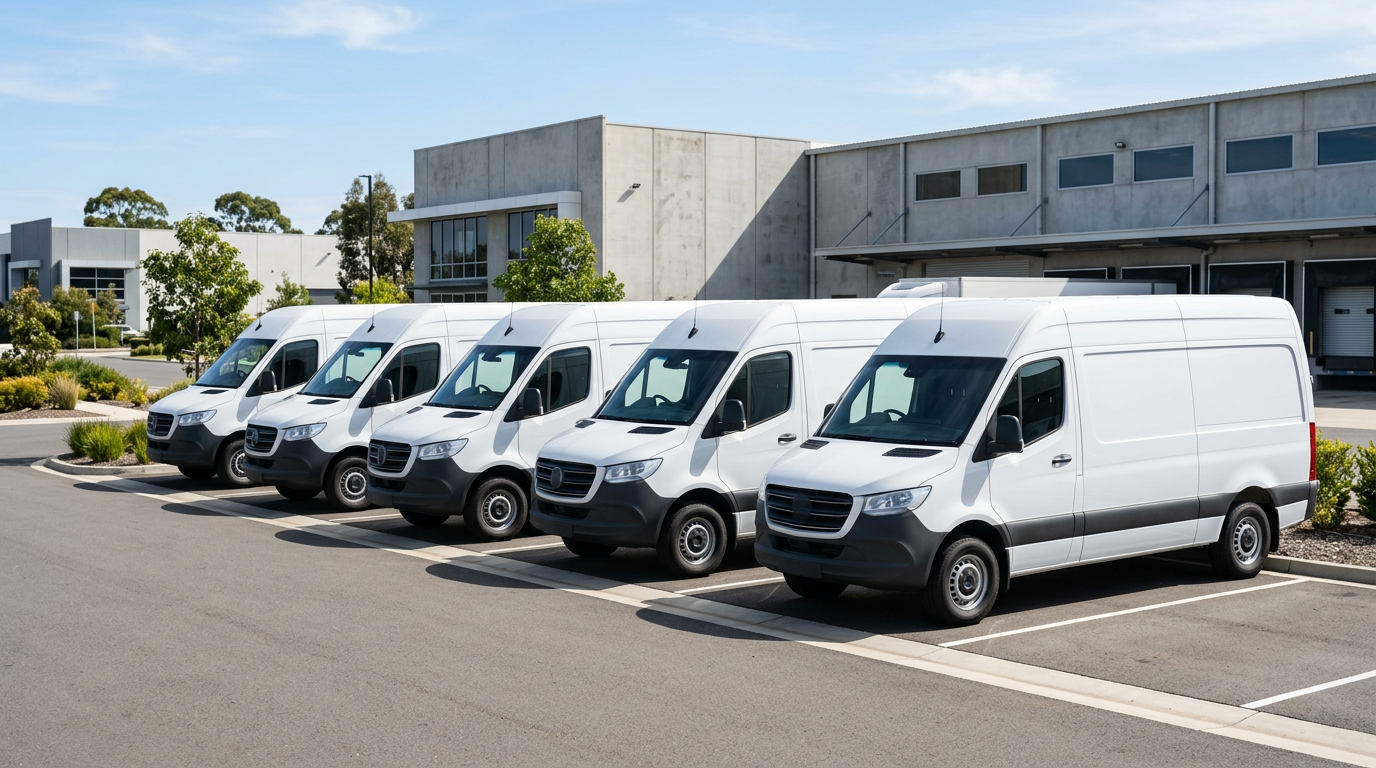
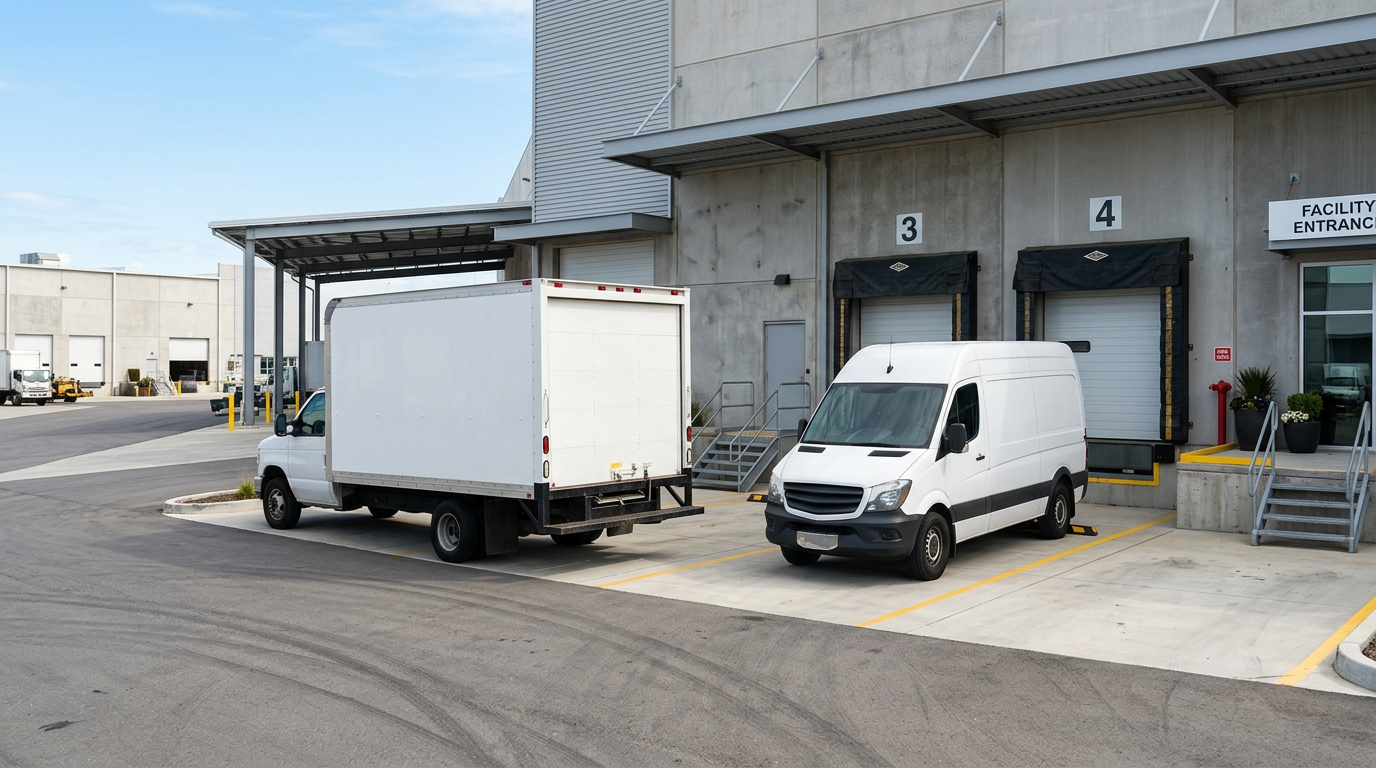
- Vans: Popular with contractors, delivery services, and mobile service businesses.
- Pickup trucks: Common for construction, landscaping, and trade businesses that carry tools and equipment.
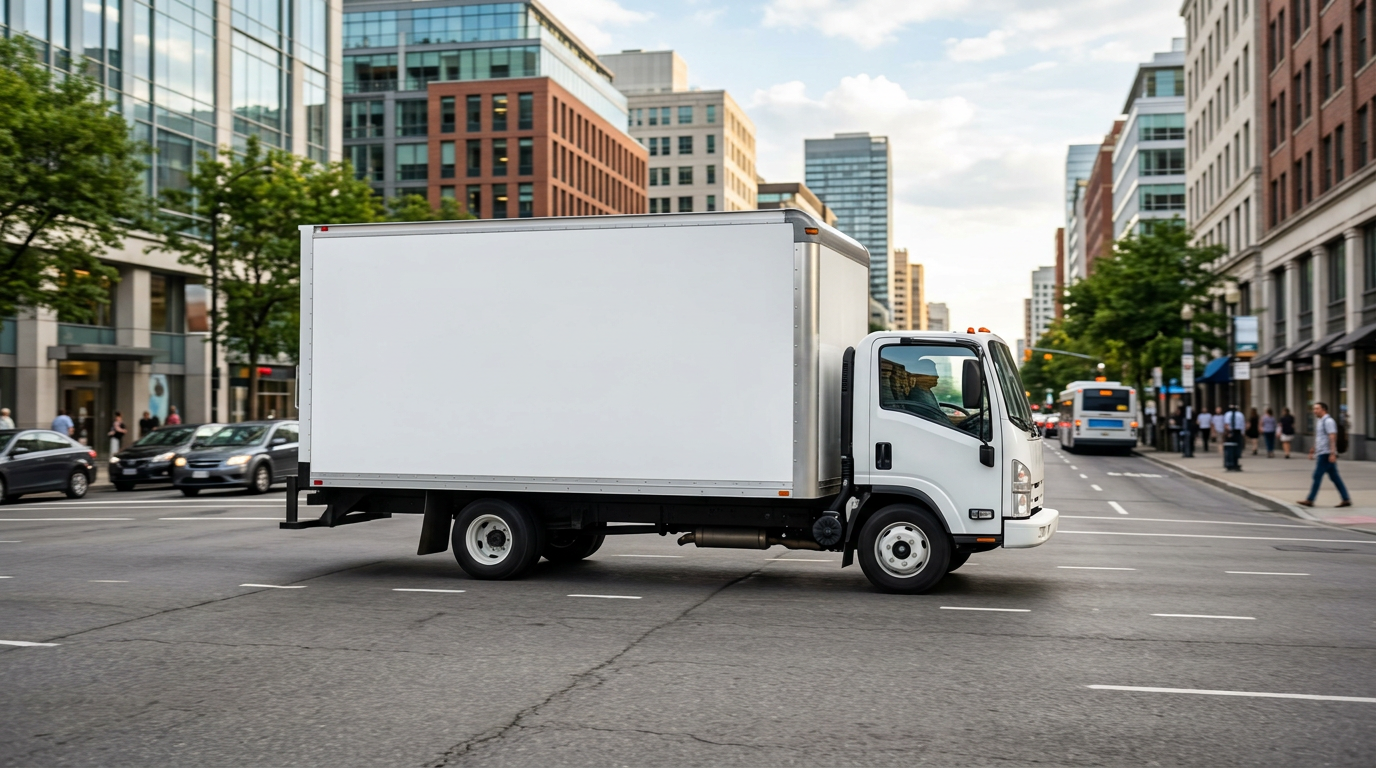
- Box trucks: Often used for deliveries, moving services, and local distribution.
- Flatbed trucks: Frequently used in construction, hauling, and industrial work.
- Fleet vehicles: Multiple vehicles operated by one business for service, transport, or distribution.
- Hotshot trucks: Used for time-sensitive hauling and expedited freight, often with specialized insurance needs.
- Service vehicles: Cars, SUVs, or specialty vehicles used by sales teams, inspectors, technicians, and field staff.
Hotshot operations and other time-sensitive hauling businesses should pay close attention to policy structure. These businesses may have unique exposures because they frequently work under tight deadlines, haul across broader regions, and may need coverage that aligns with both customer and regulatory requirements.
Fleet coverage can also be more complex than coverage for one vehicle. A business with several vehicles may need to add or remove units during the year, track multiple drivers, and maintain consistent liability limits across all vehicles. The policy should be built to keep up with the business instead of slowing it down.
How commercial auto helps different Mobile industries
In Mobile, business vehicles support a broad mix of industries. Commercial auto insurance is valuable because each industry creates different driving risks.
- Construction: Trucks and vans travel between job sites, carry tools, and often park in active work zones.
- Maritime and port support: Vehicles move between terminals, warehouses, yards, and industrial facilities.
- Manufacturing and aerospace support: Service vehicles may transport technicians, parts, and equipment to business locations.
- Delivery and logistics: Frequent stops, tight schedules, and urban traffic increase accident exposure.
- Professional services: Vehicles used by sales staff, inspectors, or field technicians still create liability risk.
Because Mobile is both a Gulf Coast port city and a growing business hub, commercial auto coverage must be tailored carefully. A policy that works for a local contractor may not be enough for a freight company, and a policy that works for a single van may not fit a multi-vehicle fleet. Matching coverage to actual usage is one of the most important steps in protecting the business.
How TOP Insurance helps businesses in Mobile
TOP Insurance LLC helps businesses in Mobile find commercial auto insurance that fits their operations, vehicles, and required limits. Because we are an independent agency, we can compare options from multiple carriers instead of offering only one company’s product. That flexibility matters when you need a policy built around your business use, your contracts, and your compliance requirements.
We also understand the needs of Mobile’s bilingual business community. Our team can help Spanish-speaking owners, drivers, and managers understand coverage choices, document requirements, and policy terms more clearly. That can make the process easier when you are trying to meet a customer deadline, provide a certificate of insurance, or respond to a contract request.
What TOP Insurance can assist with
- Reviewing how your vehicles are used for business
- Helping determine whether a commercial policy is needed
- Comparing coverage options from multiple carriers
- Supporting higher liability limit requests
- Helping with fleet, van, truck, and hotshot needs
- Providing bilingual service in English and Spanish
- Offering free quotes for commercial auto coverage
Business owners often come to us after realizing a personal policy may not fit the way their vehicles are actually used. Others need proof of insurance for a client, lessor, or shipping partner. Our job is to help you find a solution that matches your business reality and the requirements you must meet.
FAQ
Do I need commercial auto if my vehicle is only used part-time for business?
If the vehicle is used for work, even part-time, you should review whether a commercial policy is needed. The answer depends on who owns the vehicle, how often it is used for business, and what kind of business driving it does. If employees use the vehicle, carry tools or equipment, or drive to job sites regularly, a commercial policy is often the safer choice.
Does Alabama’s minimum liability requirement work for business vehicles?
Alabama’s minimum is 25/50/25, but many businesses need higher limits. Clients, landlords, lenders, and DOT-related contracts often require more coverage. For some trucking operations, federal rules require at least $750,000 in liability coverage. The right limit depends on your vehicle use and the contracts you need to satisfy.
Can I insure a fleet of trucks or vans under one policy?
Yes. Many businesses insure multiple vehicles under a fleet-oriented commercial auto policy. This can simplify management and help keep coverage consistent across the business. The policy should be reviewed carefully so each vehicle and driver is properly accounted for.
What if employees use their own cars for work?
If employees drive their own vehicles for business errands, meetings, or deliveries, you may need hired and non-owned auto coverage. This does not replace the employee’s personal auto policy, but it can help protect the business if an employee causes a covered loss while working.
Protect your Mobile business vehicles with the right coverage
Commercial auto insurance is a key part of protecting businesses that depend on vehicles in Mobile, Alabama. Whether you operate one van, a small truck, a growing fleet, or a trucking company that crosses state lines, the policy should match your real-world use and the requirements you must meet. The legal minimum may satisfy Alabama law, but many businesses need stronger protection to keep contracts, operations, and finances on track.
TOP Insurance LLC is ready to help you compare options, understand your requirements, and find commercial auto coverage that fits your business. If you need bilingual support and free quotes from multiple carriers, we can help you move forward with confidence.
Frequently Asked Questions
Why can't I use a personal auto policy for my business vehicles in Mobile?
Personal auto insurance policies generally exclude coverage for vehicles used primarily for commercial purposes, deliveries, or driven by employees. If an accident occurs while conducting business operations, a personal insurer may deny the claim, leaving your business financially liable. A commercial auto policy is specifically designed to cover higher liability limits and the unique risks associated with business operations.
What types of vehicles can be covered under a commercial auto insurance policy?
Commercial auto policies can cover a wide range of business-use vehicles, including passenger cars, pickup trucks, cargo vans, box trucks, and heavy-duty commercial haulers. Coverage can also be extended to specialized work vehicles, trailers, and equipment used in construction, maritime support, and industrial services. The policy can protect individual company-owned vehicles or an entire commercial fleet.
Are Alabama state minimum liability limits sufficient for business vehicles?
While Alabama law establishes mandatory minimum liability limits for all registered vehicles, these state minimums are rarely sufficient for commercial exposures. Accidents involving commercial vehicles often cause more severe property damage or bodily injuries, which can easily surpass basic limits. Many commercial clients, general contractors, and federal shipping regulations also require higher liability limits before you can enter job sites or sign contracts.
What happens if an employee causes an accident while driving their personal vehicle for work?
If an employee uses their personal car to run business errands or visit job sites, their personal policy provides primary coverage, but it may not fully shield your company from liability lawsuits. To protect your business against these third-party claims, you can add hired and non-owned auto (HNOA) liability coverage to your commercial policy. This endorsement specifically covers liability damages resulting from vehicles used for your business that your company does not own.
Does commercial auto insurance cover cargo and equipment transported in the vehicle?
Standard commercial auto insurance provides physical damage coverage for the vehicle itself, but it typically excludes the tools, materials, and cargo being transported. To protect freight, goods, or tools in transit, Mobile businesses usually need specialized endorsements or inland marine coverage, such as motor truck cargo insurance. Adding this coverage ensures your goods are protected against loss or damage between the port, job site, or customer delivery location.

TOP Insurance LLC is a licensed independent insurance agency serving Georgia, Florida, South Carolina, Tennessee, Alabama, Indiana and Texas. Our bilingual team of licensed agents compares options from several carriers to find an alternative that fits your needs and budget. With offices in Duluth, Lawrenceville and Gainesville, GA, we specialize in auto, home, life, health and commercial insurance for the Hispanic community and all residents. Some carriers may offer options for applicants with an ITIN, consular ID, foreign passport or foreign license; required documentation and eligibility depend on each carrier.
Ready for your free quote?
Our bilingual agents help you compare options from multiple carriers to find an alternative that fits your needs and budget. Same-day response, no obligation.