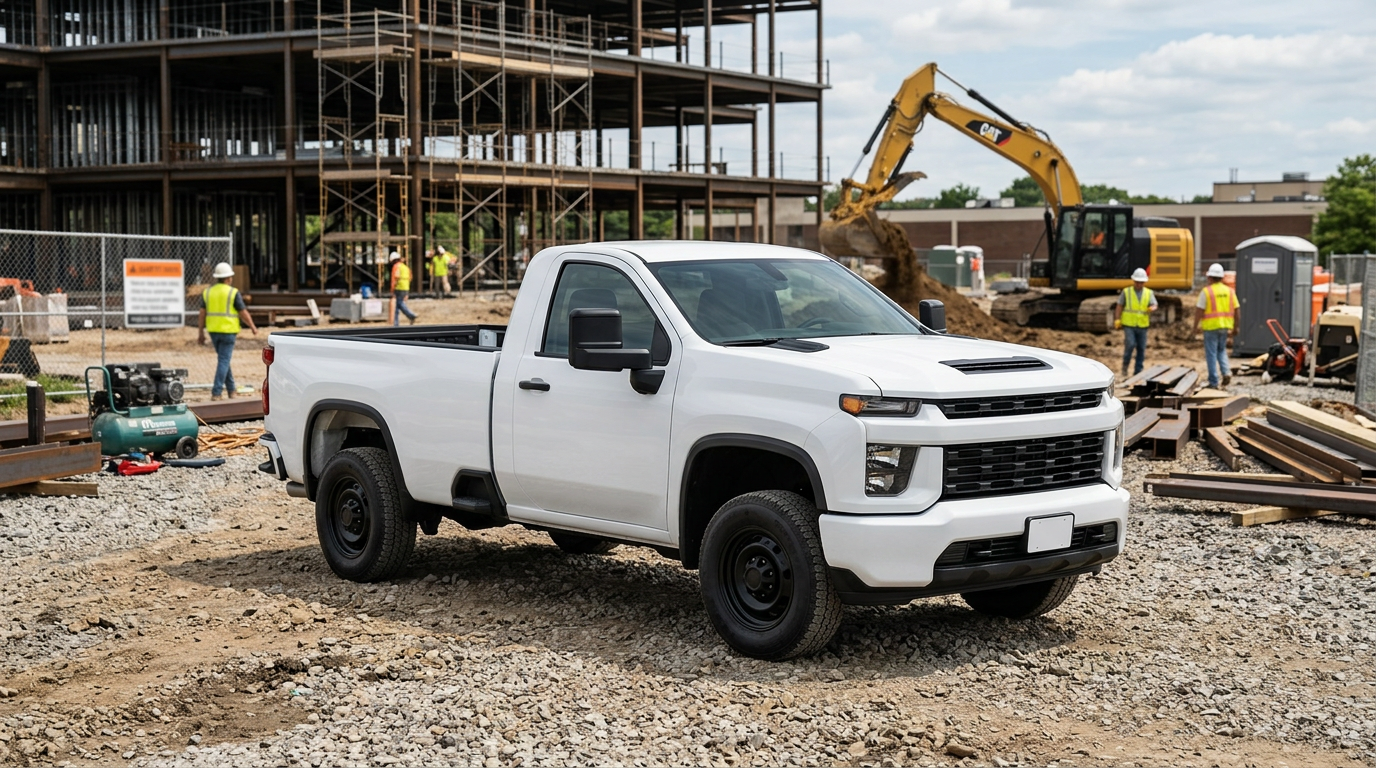
Do I need commercial auto insurance if I use my personal truck for work?
If you use your truck primarily for business, carry tools or materials, or drive it for company purposes, you may need commercial auto coverage. A personal policy may not be enough and may exclude business-related claims.
- Insurance type
- commercial-auto
- Languages
- Spanish and English
- Documentation
- Options available depending on carrier and eligibility
- Free quote
- Yes, no obligation
- Carriers
- Several compared
- Phone
- 1-877-579-0587
Fast, free quotes with bilingual agents. No obligation.
If your business in South Bend uses vehicles to make deliveries, transport tools, visit job sites, move inventory, or carry passengers, you likely need commercial auto insurance rather than a personal auto policy. This matters for many local businesses across South Bend and the wider northern Indiana area, including contractors, landscapers, caterers, real estate teams, medical providers, manufacturers, wholesalers, and small fleets supporting day-to-day operations near the University of Notre Dame, downtown, and surrounding commercial corridors.
Commercial auto insurance is designed for business use. Personal auto policies are not built to cover many business-related driving risks, especially when a vehicle is owned by a company, regularly used for work, driven by employees, or used to transport goods, equipment, or clients. In South Bend, where education, healthcare, advanced manufacturing, and a strong Hispanic business community all contribute to local economic activity, choosing the right coverage is an important part of protecting your operation.
TOP Insurance LLC helps South Bend business owners compare options from multiple carriers and build a policy that matches how vehicles are actually used. We also offer bilingual support, which can make it easier for English- and Spanish-speaking owners to understand coverage, limits, and documentation requirements.
Who Needs Commercial Auto Insurance in South Bend?
Any business-owned or business-operated vehicle should be evaluated for commercial auto coverage. In many cases, a personal policy will not provide the protection a company needs, and it may exclude claims if the vehicle is used for work purposes.
Common businesses that often need commercial auto
- Contractors and tradespeople who carry tools, materials, or ladders
- Delivery businesses and courier services
- Landscaping and lawn care companies
- Cleaning companies and maintenance services
- Real estate teams and property managers
- Medical, home care, and non-emergency transport providers
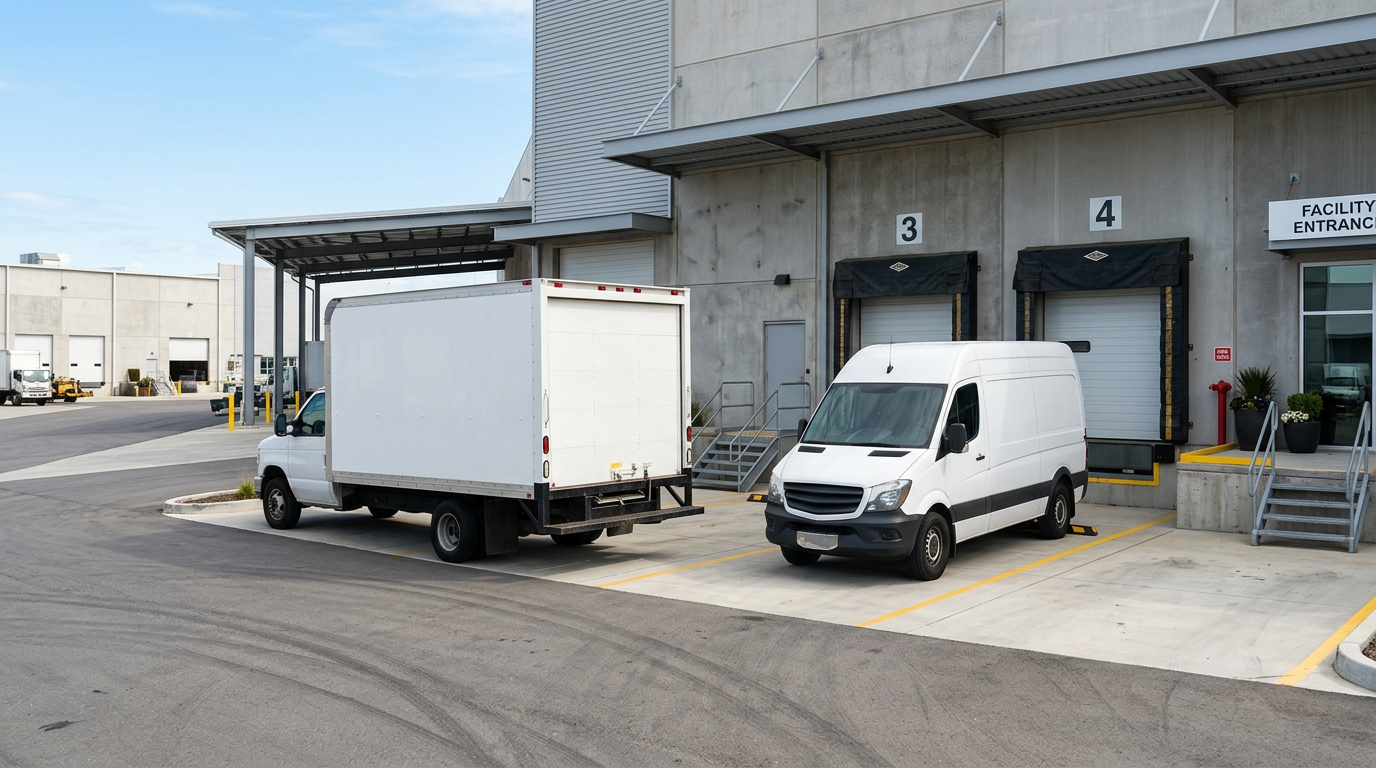
- Restaurants, wholesalers, and distributors using vans or box trucks
- Manufacturers and suppliers with local route vehicles
- Any business with employee drivers or a fleet of vehicles
Even a single vehicle can need commercial coverage if it is titled to a business, has commercial plates, or is primarily used for work. If employees drive the vehicle, if it hauls tools or inventory, or if it is used to make business deliveries, commercial auto is usually the safer and more appropriate choice.
South Bend businesses with operations that extend beyond city limits may also have extra exposure. Travel throughout Indiana, into neighboring states, or across state lines can bring additional regulatory and contractual requirements, especially for larger vehicles and trucking operations.
What Commercial Auto Covers vs. Personal Auto
Commercial auto insurance is similar in some ways to personal auto insurance, but it is tailored to business exposure. The key difference is not just the vehicle itself, but the way the vehicle is used and who drives it.
Commercial auto may help pay for
- Bodily injury and property damage you cause to others in an accident
- Physical damage to your insured vehicle, depending on your coverage choices
- Medical expenses or related injuries, depending on policy features and state rules
- Uninsured or underinsured motorists coverage, when available and selected
- Hired and non-owned auto exposure in some business policies, depending on the carrier and form
Commercial policies can be structured in different ways, and the exact terms depend on the carrier and the risks you want to insure. Businesses often choose a combination of liability, physical damage, and additional endorsements to better match operations.
Why personal auto is often not enough
- Personal policies may exclude business use
- They are not designed for vehicles used by multiple employees
- They may not address cargo, tools, or commercial equipment
- They may fall short when a contract requires higher liability limits
- They may not satisfy lenders, lessors, or regulators for business operations
For example, a contractor driving a pickup with tools to several job sites in South Bend is facing a very different risk profile than a family using the same truck for commuting and errands. A pizza restaurant making regular deliveries, a plumber traveling from customer to customer, or a manufacturer transporting goods in a van all need coverage that reflects work-related exposure.
It is also important to keep in mind that personal auto policies are not built for fleet management. If you have multiple vehicles, multiple drivers, or regular interstate travel, commercial auto can help create a more appropriate protection plan.
Indiana Minimums Are Not the Whole Story
In Indiana, the legal minimum liability requirement is 25/50/25. That means:
- $25,000 bodily injury per person
- $50,000 bodily injury per accident
- $25,000 property damage
Those are the state minimums, but they are not necessarily enough for business use. Many commercial clients, landlords, project owners, and lenders require higher limits before they will sign a contract or approve a vehicle for work. Depending on the industry, those requirements can be much higher than the state minimum.
Why higher limits are often required
- Client contracts may require proof of stronger liability protection
- Leased or financed vehicles may come with insurance requirements
- Many job sites require minimum limits before work can begin
- Large vehicles and frequent driving can increase claim severity
- Businesses with public-facing operations face greater liability exposure
In many commercial settings, businesses are asked to carry much higher limits, sometimes in the range of a combined single limit that reaches $500,000 to $1,000,000. The exact amount depends on the type of work, the vehicle, and the contract terms. For business owners in South Bend, reviewing these requirements before signing an agreement can prevent costly delays and coverage gaps.
FMCSA and interstate trucking requirements
If your business operates for-hire trucking across state lines, federal rules may apply. Interstate for-hire trucking is regulated by the Federal Motor Carrier Safety Administration, or FMCSA, and those operations often require at least $750,000 in liability coverage, with higher amounts possible depending on cargo and route.
This is especially important for hotshot haulers, freight carriers, and trucking businesses that operate in or out of South Bend and move loads across Indiana and beyond. Federal compliance is separate from Indiana’s minimum requirements, so a business can be legal at the state level and still be underinsured for its actual operations.
Vehicle Types We Commonly Insure
Commercial auto policies can be built for many different vehicle types. South Bend businesses use a wide range of vehicles, and each one presents its own risk profile.
Vans
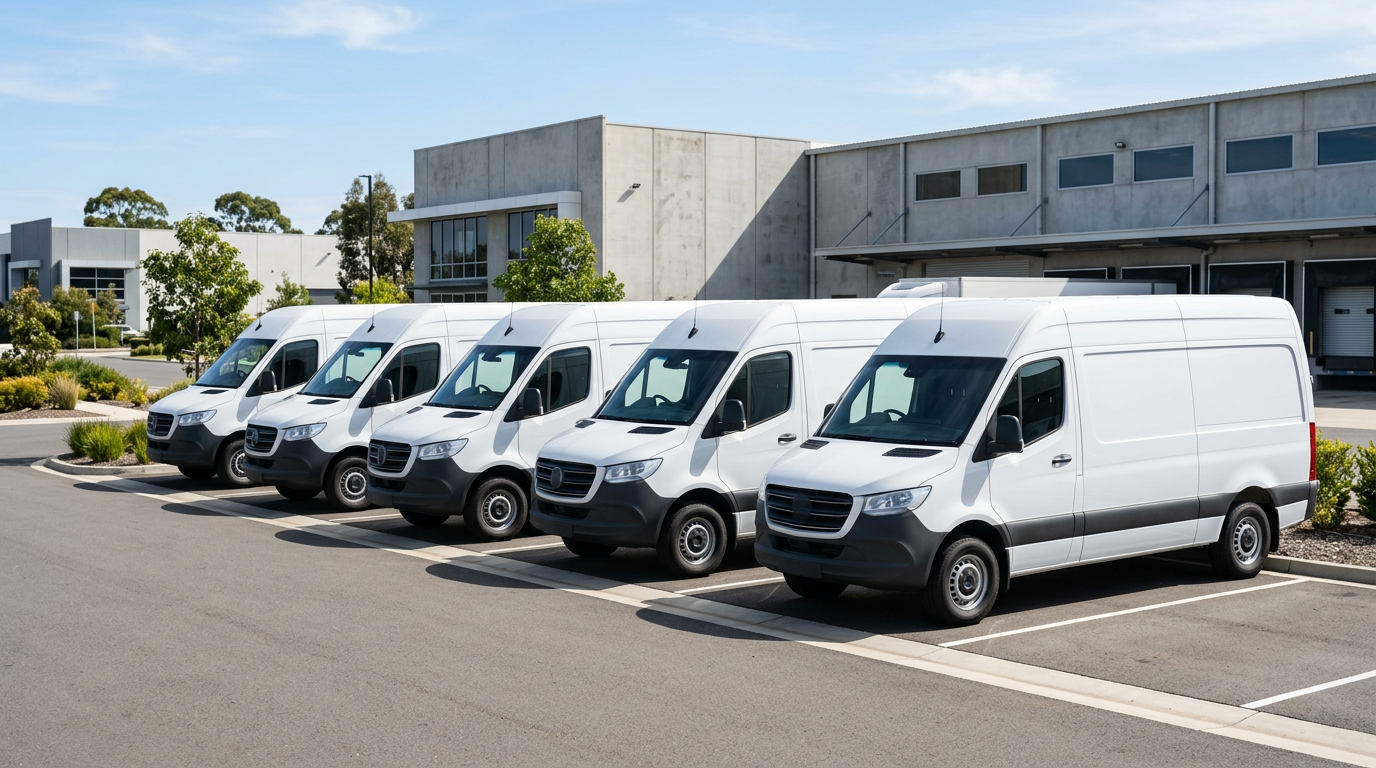
Vans are common for deliveries, cleaning services, mobile technicians, childcare transport, and medical or administrative teams. A van used for business often needs liability coverage and may need physical damage protection if it is financed or essential to operations.
Trucks
Pickup trucks, stake beds, flatbeds, utility trucks, dump trucks, and box trucks are common across trades and industrial work. These vehicles often carry tools and materials, travel to multiple job sites, and may require higher liability limits because of their size and use.
Fleets
A fleet can be as small as two or three vehicles or as large as an entire company operation. Fleet coverage helps South Bend businesses manage several vehicles under one program, which may simplify administration and support consistent coverage across drivers and units.
Hotshot operations
Hotshot trucking and expedited hauling require special attention because these vehicles often move time-sensitive freight, travel longer distances, and may cross state lines. If you operate a hotshot business, you may need a policy that aligns with cargo, route, and federal regulatory requirements.
Other common commercial vehicles
- Work pickups
- Service vans
- Box trucks
- Refrigerated trucks
- Dump trucks
- Utility vehicles
- Passenger vans
- Tractor-trailer units for regulated trucking operations
Whether your business is serving neighborhoods in South Bend, traveling to surrounding communities, or managing routes across the region, the right policy should reflect the real use of each vehicle.
How to Think About Coverage Limits and Policy Design
Choosing commercial auto insurance is not just about meeting a legal minimum. It is about matching the policy to your real-world risk. A company with one local service van may need a different structure than a delivery fleet or an interstate trucking operation.
Questions that affect coverage needs
- Who owns the vehicle: the business, an individual owner, or a lender?
- How many vehicles are on the policy?
- Who drives them: owners, employees, contractors, or all of the above?
- What is being transported: people, tools, inventory, or cargo?
- Do you work locally, statewide, or across state lines?
- Do contracts or leases require higher liability limits?
These questions help determine whether you need a basic commercial auto policy, a fleet program, hired and non-owned coverage, higher liability limits, or specialized trucking coverage. A South Bend business that is growing quickly may also want to review its policy each year to make sure coverage still fits the way the business operates.
How TOP Insurance Helps South Bend Businesses
TOP Insurance LLC works with business owners who need practical guidance, not guesswork. We help South Bend companies compare commercial auto options from multiple carriers so they can look at different coverage structures, liability levels, and policy features in one place.
What we offer
- Bilingual English and Spanish support
- Access to multiple insurance carriers
- Free quotes for commercial auto coverage
- Help identifying whether a vehicle needs commercial rather than personal coverage
- Support with higher-limit requirements from contracts, lessors, and regulators
Because South Bend has a strong Hispanic community, bilingual service can make a real difference when explaining endorsements, filings, proof of insurance, and coverage exclusions. We aim to keep the process clear and efficient so owners can spend less time sorting through forms and more time running their business.
If your company uses one vehicle or a growing fleet, we can help you compare options and understand what is required for your specific use. If you haul freight, make deliveries, or travel outside Indiana, we can also help you think through the added requirements that may apply.
Frequently Asked Questions
Do I need commercial auto insurance if I use my personal truck for work?
If you use your truck primarily for business, carry tools or materials, or drive it for company purposes, you may need commercial auto coverage. A personal policy may not be enough and may exclude business-related claims.
What is Indiana’s minimum liability requirement?
Indiana’s legal minimum is 25/50/25: $25,000 bodily injury per person, $50,000 bodily injury per accident, and $25,000 property damage. Many businesses need higher limits because of contracts, leases, or operational risk.
Do I need higher limits for contracts or trucking?
Often yes. Many clients, lessors, and the DOT require higher liability limits than the state minimum. Interstate for-hire trucking is federally regulated by the FMCSA and commonly requires at least $750,000 in liability coverage.
Can TOP Insurance help with bilingual commercial auto quotes in South Bend?
Yes. TOP Insurance offers bilingual support and free quotes from multiple carriers to help South Bend business owners find coverage that fits their vehicles and their business needs.
Commercial auto insurance is a key part of protecting a business that depends on vehicles. For South Bend companies, the right policy can help you meet state rules, satisfy contract requirements, and better handle the realities of business driving. Whether you operate a single van, a work truck, or a larger fleet, TOP Insurance is here to help you compare options and choose coverage with confidence.

TOP Insurance LLC is a licensed independent insurance agency serving Georgia, Florida, South Carolina, Tennessee, Alabama, Indiana and Texas. Our bilingual team of licensed agents compares options from several carriers to find an alternative that fits your needs and budget. With offices in Duluth, Lawrenceville and Gainesville, GA, we specialize in auto, home, life, health and commercial insurance for the Hispanic community and all residents. Some carriers may offer options for applicants with an ITIN, consular ID, foreign passport or foreign license; required documentation and eligibility depend on each carrier.
Ready for your free quote?
Our bilingual agents help you compare options from multiple carriers to find an alternative that fits your needs and budget. Same-day response, no obligation.