Why is personal auto insurance insufficient for Spartanburg business vehicles?
Personal auto policies typically include business-use exclusions that can lead to denied claims if an accident occurs during work tasks. Commercial auto insurance provides tailored liability protections and higher coverage limits designed to safeguard business assets from costly lawsuits and property damage.
- Insurance type
- commercial-auto
- Languages
- Spanish and English
- Documentation
- Options available depending on carrier and eligibility
- Free quote
- Yes, no obligation
- Carriers
- Several compared
- Phone
- 1-877-579-0587
Fast, free quotes with bilingual agents. No obligation.
Spartanburg businesses depend on vehicles every day. From construction crews moving between job sites to logistics companies running along I-85 and local manufacturers sending parts, tools, and deliveries across the Upstate, the right auto coverage matters. If a vehicle is owned by a business, titled to a company, used to transport goods or equipment, or driven for work tasks beyond a normal commute, commercial auto insurance is usually the right policy.
In Spartanburg, that need is especially important because the area anchors South Carolina’s Upstate manufacturing corridor. Suppliers tied to BMW, warehouse and logistics operations, and construction businesses all rely on vans, pickups, box trucks, cargo trailers, and fleet vehicles to stay productive. A personal auto policy is not designed for many of those uses, and it may not respond the way a business expects after an accident.
This 2026 guide explains what commercial auto insurance covers, how it differs from personal auto, why higher limits are often required by contracts and regulators, which vehicle types commonly need it, and how TOP Insurance helps Spartanburg business owners compare options in English and Spanish.
1) Who needs commercial auto insurance in Spartanburg?
Commercial auto insurance is for vehicles used for business purposes. In Spartanburg, that can include a wide range of companies and industries:
- Construction contractors and subcontractors
- Landscapers and lawn care companies
- Plumbers, electricians, HVAC, and trade service businesses
- Delivery, courier, and logistics operations
- Manufacturers and suppliers moving products, materials, or equipment
- Property maintenance and facility service companies
- Sales teams and field service businesses that drive to multiple locations
- Fleets owned by small businesses, midsize companies, and growing contractors
Many business owners are surprised to learn that a personal auto policy may not be enough when the vehicle is registered to a company or used regularly for work. Even when an employee occasionally uses a personal vehicle for business errands, the correct coverage may depend on how the car is used, who owns it, and what the employer requires. The safest approach is to review the actual vehicle use with a licensed agent before a claim happens.
Spartanburg’s economy makes this issue especially relevant. The region’s manufacturing and construction activity means business vehicles often carry expensive tools, products, and workers to job sites or distribution points. Those vehicles face more driving time, more loading and unloading, and more chances for a costly accident than a typical personal car used mainly for commuting.
2) What commercial auto covers vs. personal auto
Commercial auto insurance is built for business driving. It usually covers the business vehicle itself and the liability exposure that comes with using that vehicle for work. While exact coverages vary by policy and carrier, commercial auto commonly includes these core protections:
- Liability coverage: Helps pay for bodily injury and property damage if your business driver is at fault in an accident.
- Collision coverage: Helps repair or replace your vehicle after a crash, regardless of fault, subject to deductibles and policy terms.
- Comprehensive coverage: Helps protect against losses like theft, vandalism, fire, hail, falling objects, and other non-collision damage.
- Uninsured/underinsured motorist coverage: Protects against drivers who carry no insurance or too little insurance, where required or selected.
- Medical payments or related first-party coverages: May help with certain injury-related expenses depending on the policy.
- Hired and non-owned auto coverage: May help if employees drive rented vehicles or personal vehicles for business purposes.
Personal auto insurance is usually designed for commuting, errands, and private use. Once a vehicle becomes part of business operations, the risk profile changes. Workers may carry tools, products, or passengers, drive more miles, park at job sites, enter industrial areas, or make repeated stops in busy traffic. Those factors can make a commercial policy more appropriate than a personal one.
There is also a practical claims issue. If a vehicle is used for business but insured on a personal policy that does not match the actual use, the carrier may question coverage, limit payment, or deny the claim depending on the facts and policy language. That can leave a business responsible for repair costs, liability claims, and downtime. In a manufacturing and logistics market like Spartanburg, where vehicles are part of the operation, making sure the policy matches the vehicle’s purpose is essential.
Why business use changes the risk
Commercial driving often includes situations that personal auto policies are not meant to handle:
- Transporting equipment, inventory, or tools
- Frequent stops and starts throughout the workday
- Multiple drivers using the same vehicle
- Driving in industrial zones, construction areas, or loading docks
- Vehicles with ladders, racks, or upfits
- Higher annual mileage than a standard personal car
Because of this, the right policy is not just about the vehicle type. It is also about how the vehicle is used, who drives it, whether it is owned or leased, and what contracts require.
3) Higher limits required by contracts, lessors, and the DOT
In South Carolina, the legal minimum liability requirement for auto insurance is 25/50/25, and uninsured motorist coverage is also mandatory at the same 25/50/25 limits. That is the baseline required by state law, but it is often not enough for business operations.
Many Spartanburg businesses need much higher limits because customers, general contractors, leasing companies, shippers, and public or private project owners require them. It is common for contracts to ask for limits far above the state minimum, and some businesses are required to carry a combined single limit of $500,000 to $1,000,000 or more depending on the job, the cargo, and the risk involved.
Interstate for-hire trucking is even more heavily regulated. The Federal Motor Carrier Safety Administration, or FMCSA, sets minimum financial responsibility requirements for many interstate trucking operations, including minimums of at least $750,000 for certain carriers and higher amounts for others depending on cargo type and operation. If your business hauls freight across state lines, your insurance must be aligned with both federal requirements and any shipper or broker requirements that apply to your loads.
For Spartanburg businesses serving manufacturers, suppliers, and distribution networks, this matters a lot. A company may have the legal minimum on paper but still fail to meet contract requirements for a plant, general contractor, warehouse, or logistics partner. That can delay work, block a job from starting, or force last-minute coverage changes.
Common situations where higher limits are required
- Contracts with general contractors or property owners
- Vendor agreements for manufacturers and suppliers
- Leasing or financing agreements for vehicles and equipment
- Certificates of insurance required by customers
- Interstate hauling and FMCSA-regulated operations
- Municipal, state, or commercial project specifications
Before assuming the state minimum is enough, business owners should check every active contract and every vehicle use case. The right answer may involve more than one policy or an endorsement tailored to the business. A local agent can help match the required limit to the actual operation so there are no surprises later.
4) Vehicle types: vans, trucks, fleets, hotshot
Commercial auto insurance in Spartanburg is not limited to one kind of vehicle. Many different business vehicles can be insured under a commercial policy, including:
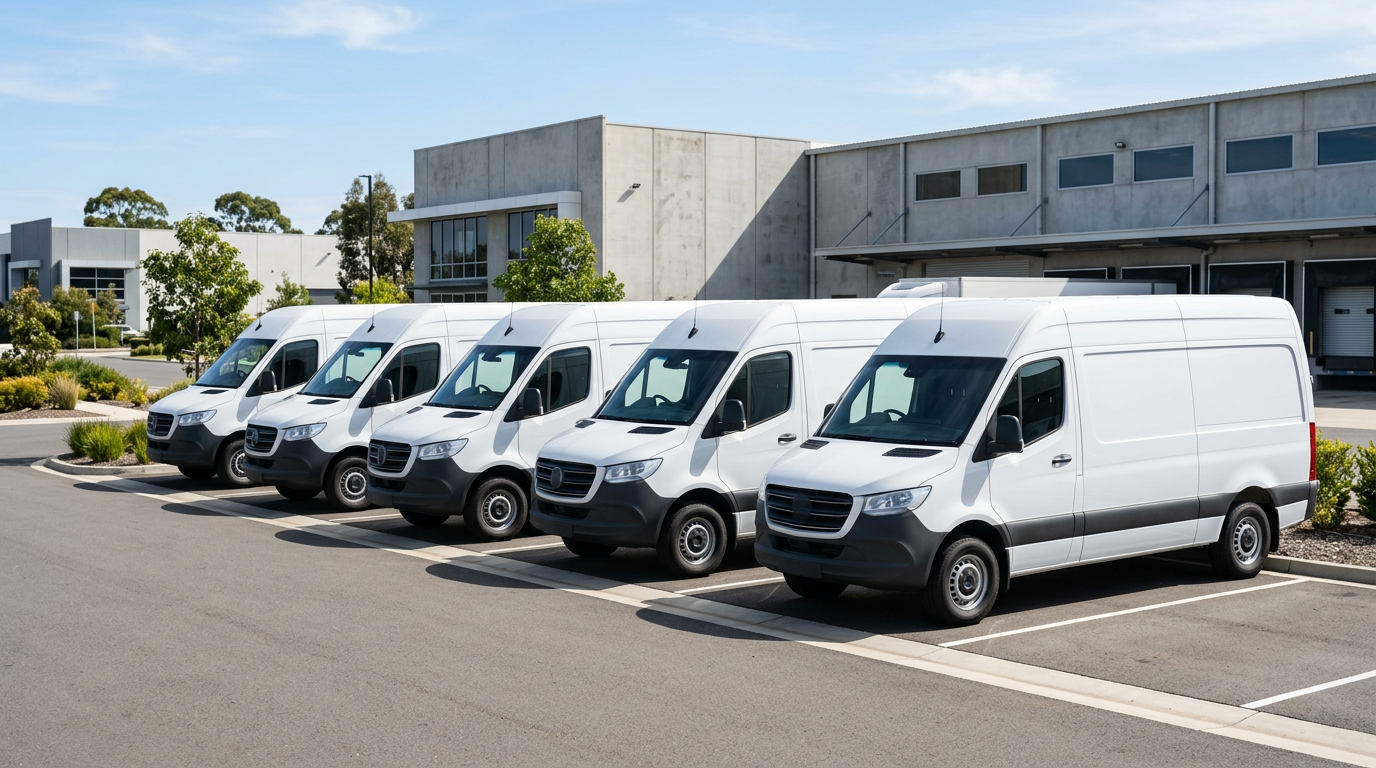
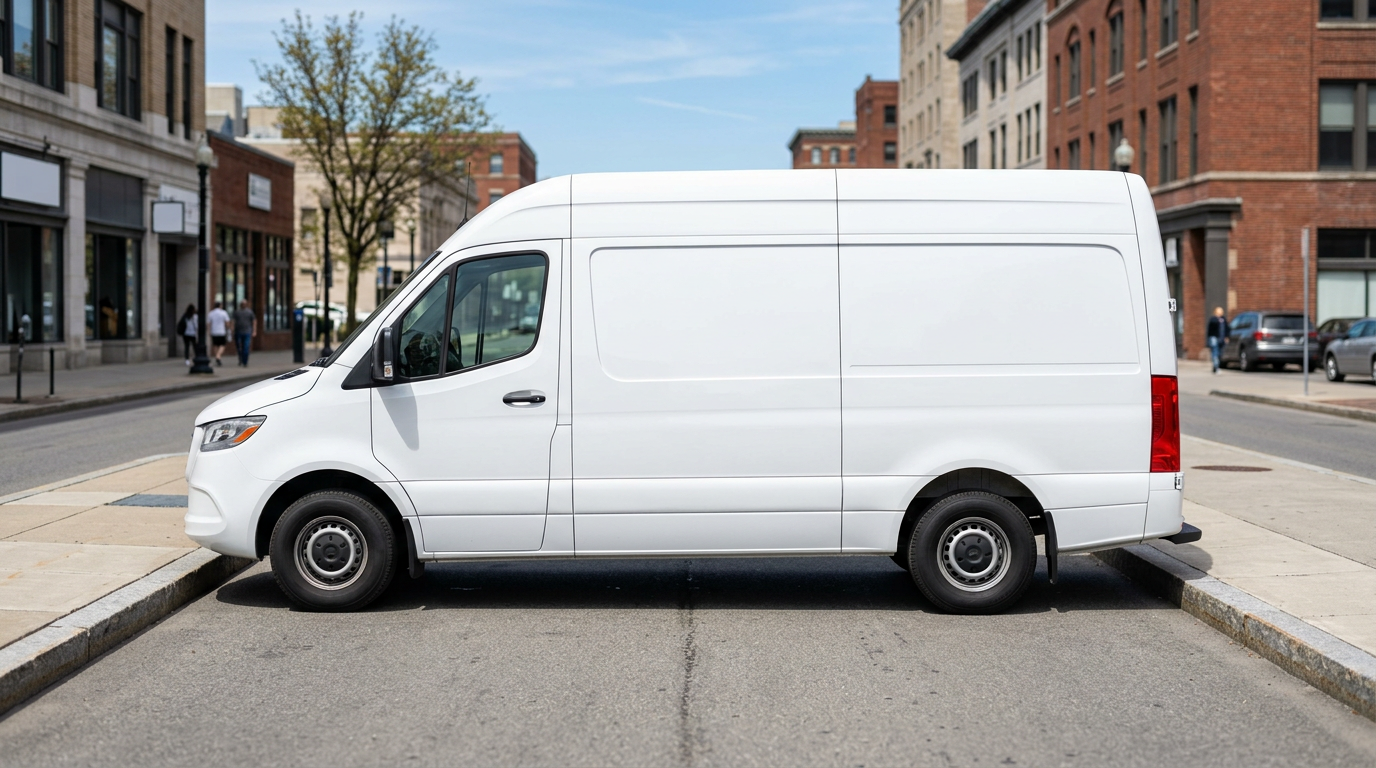
- Vans: Cargo vans, service vans, passenger vans used for work crews, and delivery vans.
- Pickups and work trucks: Single trucks or vehicles with toolboxes, racks, ladders, or utility bodies.
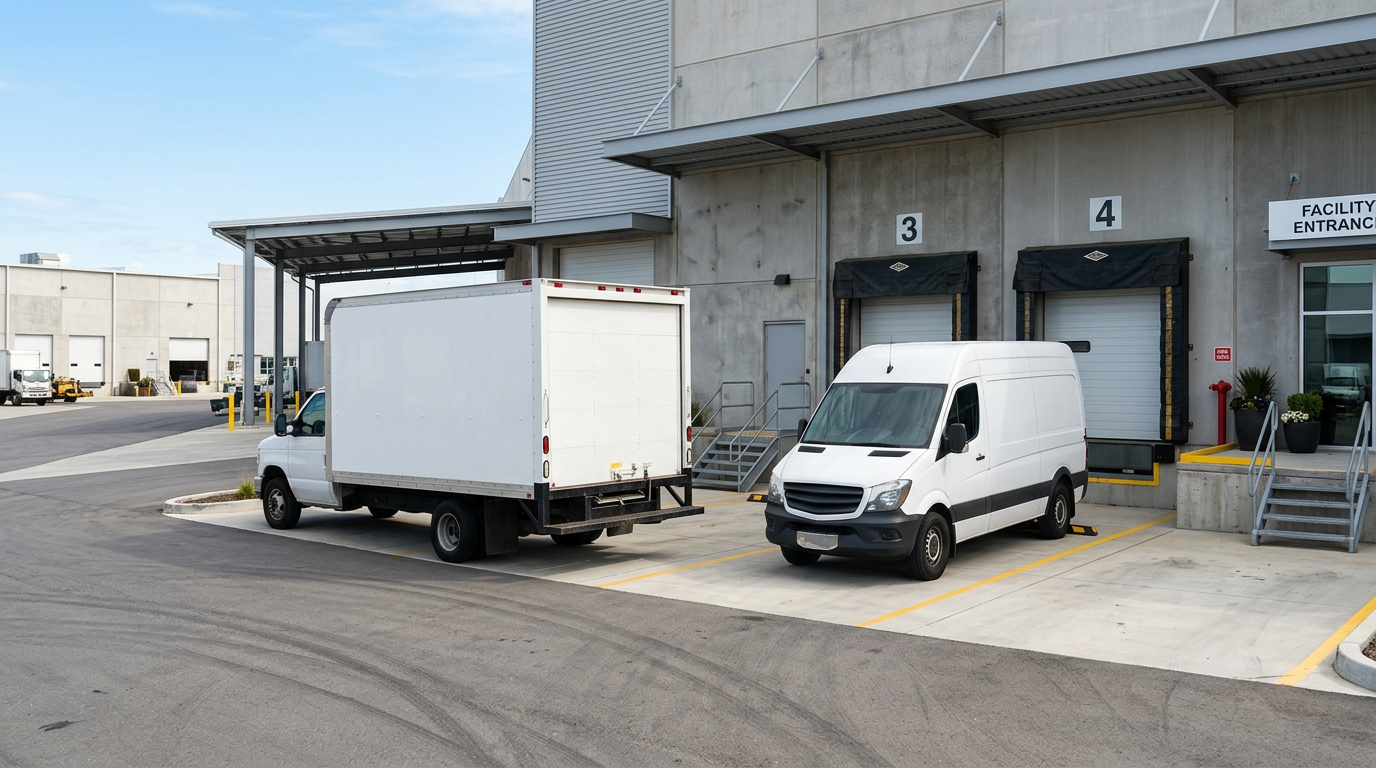
- Box trucks and straight trucks: Common for delivery, moving, warehouse distribution, and equipment transport.
- Fleet vehicles: Multiple vehicles used by one business, whether large or small.
- Hotshot trucks: Smaller trucking operations that haul time-sensitive loads, often using pickup trucks with trailers or similar setups.
- Specialty and upfitted vehicles: Service bodies, dump trucks, flatbeds, tow vehicles, and other work-specific rigs.
The key issue is not just the make and model. It is the actual use. A pickup used only for commuting has different exposure than the same pickup carrying tools to a job site all week. A van that delivers packages in the Upstate has different risk than a family minivan used for school runs and weekends.
For fleets, management becomes even more important. One accident can affect schedules, customer relationships, and productivity across the business. Fleet coverage should be reviewed regularly as vehicles are added, drivers change, or routes expand. That is especially true in Spartanburg’s fast-moving manufacturing and logistics environment where business operations can scale quickly.
Hotshot and delivery operations
Hotshot trucking and expedited delivery businesses deserve special attention because they can have rapid turnaround times, interstate routes, and contractual obligations that exceed standard auto needs. Even smaller operations may trigger commercial policy requirements because the vehicle is used to move freight for business, not personal transportation. Depending on the type of cargo and whether the work crosses state lines, state rules, federal rules, and shipper requirements may all apply.
5) How to choose the right coverage for your business
Choosing commercial auto insurance is not just about buying a policy. It is about matching the policy to the business model. The following factors usually matter most:
- Who owns the vehicle: business, owner, or employee
- How the vehicle is used: deliveries, service calls, hauling, commuting, or mixed use
- How many drivers use the vehicle
- Whether vehicles cross state lines
- Whether tools, cargo, or passengers are transported
- Whether the business is required to meet contract, lender, or shipper limits
- Whether the business operates a single vehicle or a fleet
It is also important to think about risk tolerance. Many businesses choose limits above the state minimum because a serious crash can create medical bills, repair costs, legal defense expenses, and business interruption. Higher limits can provide better protection when a claim is severe.
For Spartanburg companies that work in manufacturing support, construction, and logistics, the policy should be reviewed with the actual workflow in mind. A vehicle that is on the road every day, parked at active job sites, and loaded with costly tools needs different protection than a vehicle that is used rarely. The same is true for businesses that rely on employees driving between the Upstate, Columbia, Greenville, Charlotte, or beyond.
6) How TOP Insurance helps Spartanburg businesses
TOP Insurance is an independent agency that helps businesses compare commercial auto options with multiple carriers. That matters because no single carrier is best for every operation. A small contractor, a delivery business, a hotshot operator, and a growing fleet may all need different coverage structures, limits, and underwriting fits.
We help Spartanburg business owners:
- Review vehicle use and business exposure
- Identify whether commercial auto is needed instead of personal auto
- Match coverage to contract, lender, and DOT/FMCSA requirements
- Compare options across multiple carriers
- Support English and Spanish-speaking business owners
- Provide free quotes and clear guidance
We also understand the local business climate. Spartanburg’s role in the Upstate manufacturing corridor means many companies operate in fast-paced environments where insurance must keep up with vehicles, drivers, and contracts. Our goal is to make the process simple and practical, so owners can focus on running the business instead of guessing about coverage.
If you are not sure whether your vehicle belongs on a personal or commercial policy, or whether your current limits are enough, a quick review can help. The right answer often depends on details that do not fit a one-size-fits-all approach.
FAQ
Do I need commercial auto insurance if I use my truck only for work?
If the vehicle is used primarily for business, especially if it is owned by the company, carries tools or cargo, or is driven by employees, commercial auto is often the correct coverage. Personal auto may not fit the exposure.
What is the minimum auto insurance required in South Carolina?
South Carolina requires 25/50/25 liability coverage, and uninsured motorist coverage is also mandatory at the same 25/50/25 limits. Many businesses need higher limits because of contracts or federal rules.
Can commercial auto cover a fleet of vehicles?
Yes. Commercial auto policies are commonly used for single vehicles and fleets. Coverage can be structured for vans, pickups, trucks, box trucks, and other business-use vehicles.
Do interstate trucking businesses have different requirements?
Yes. Interstate for-hire trucking is federally regulated by the FMCSA, and minimum financial responsibility requirements are often much higher than standard auto minimums. Cargo type and business structure can also affect required limits.
Frequently Asked Questions
Why is personal auto insurance insufficient for Spartanburg business vehicles?
Personal auto policies typically include business-use exclusions that can lead to denied claims if an accident occurs during work tasks. Commercial auto insurance provides tailored liability protections and higher coverage limits designed to safeguard business assets from costly lawsuits and property damage.
What types of vehicles require commercial auto insurance in South Carolina?
Any vehicle owned by a business, titled in a company name, or used to transport work equipment, tools, or goods generally requires commercial auto coverage. In Spartanburg's industrial corridor, this commonly includes cargo vans, pickup trucks used by contractors, box trucks, utility trailers, and fleet vehicles.
What standard coverages are included in a commercial auto insurance policy?
A standard commercial auto policy includes bodily injury and property damage liability to pay for harm caused to others in an at-fault accident. It also typically provides collision coverage, comprehensive coverage for non-collision physical damage, and uninsured or underinsured motorist protection.
Are higher liability limits required for businesses operating along major freight corridors like I-85?
While South Carolina sets minimum liability requirements for commercial vehicles, businesses operating heavy vehicles or transporting goods often need substantially higher limits. Manufacturing partners, logistics contracts, and federal regulations frequently mandate enhanced liability limits to protect against severe multi-vehicle collisions.
Does commercial auto insurance cover employees driving their personal vehicles for company business?
A standard commercial auto policy only covers vehicles listed on the policy declarations, meaning employee-owned vehicles are generally excluded. To protect a business against liability when employees run work errands in their own cars, employers must add hired and non-owned auto insurance coverage to their policy.

TOP Insurance LLC is a licensed independent insurance agency serving Georgia, Florida, South Carolina, Tennessee, Alabama, Indiana and Texas. Our bilingual team of licensed agents compares options from several carriers to find an alternative that fits your needs and budget. With offices in Duluth, Lawrenceville and Gainesville, GA, we specialize in auto, home, life, health and commercial insurance for the Hispanic community and all residents. Some carriers may offer options for applicants with an ITIN, consular ID, foreign passport or foreign license; required documentation and eligibility depend on each carrier.
Ready for your free quote?
Our bilingual agents help you compare options from multiple carriers to find an alternative that fits your needs and budget. Same-day response, no obligation.