Why can't I use my personal auto policy for my San Antonio business?
Personal auto policies typically exclude coverage for vehicles used primarily for business operations, commercial deliveries, or transporting equipment. If an employee is involved in an accident while performing job duties, your personal insurer can deny the claim. Commercial auto insurance is specifically tailored to protect against the higher liability risks associated with daily business driving.
- Insurance type
- commercial-auto
- Languages
- Spanish and English
- Documentation
- Options available depending on carrier and eligibility
- Free quote
- Yes, no obligation
- Carriers
- Several compared
- Phone
- 1-877-579-0587
Fast, free quotes with bilingual agents. No obligation.
If your business in San Antonio uses vehicles to make deliveries, visit job sites, transport tools, move equipment, or carry employees, you likely need commercial auto insurance—not a personal auto policy. That includes contractors working across the West Side, service companies serving Downtown and the Medical Center, food trucks and catering businesses near the Pearl and Southtown, landscaping crews in Stone Oak and Alamo Heights, and trucking operations that move goods along I-10, I-35, Loop 410, and US-281. In a city with heavy commuter traffic, summer heat, sudden storms, and frequent construction zones, commercial driving exposure is real.
Commercial auto insurance is designed for business use. Personal policies usually exclude vehicles used primarily for work, and a claim can be denied if the vehicle was being used for business when the loss happened. If the vehicle is owned by the business, titled to the business, leased for business operations, or driven by employees for work, it should usually be insured on a commercial auto policy. This is especially important for San Antonio businesses that depend on reliable transportation every day.
At TOP Insurance LLC, we help local business owners understand what coverage they need, what Texas requires, and what vendors, lenders, and regulators may require above the minimum. We work with multiple carriers and offer bilingual service in English and Spanish so owners, fleet managers, and family-run businesses can get clear answers fast.
1) Who needs commercial auto insurance in San Antonio?
Many business owners assume a personal auto policy is enough if they only use the vehicle “sometimes” for work. In reality, the line between personal and business use is often narrower than people think. If a vehicle is used to earn income, carry tools or products, or transport workers, it should be reviewed for commercial coverage.
Common San Antonio businesses that often need commercial auto
- General contractors, roofers, electricians, plumbers, HVAC companies, and painters
- Landscapers, tree service companies, irrigation crews, and pest control businesses
- Delivery businesses, couriers, local distributors, and caterers
- Real estate teams, property managers, and inspection companies
- Restaurants and food trucks that operate mobile or delivery vehicles
- Auto repair, towing, and roadside assistance businesses
- Retail businesses that deliver products to customers or job sites
- Trucking and hotshot operators hauling freight across Texas and beyond
San Antonio’s business community is diverse, with a strong mix of construction, logistics, healthcare support services, retail, hospitality, and small family-owned enterprises. Many of these businesses depend on pickups, vans, box trucks, trailers, and fleet vehicles to keep operations moving. If the vehicle is part of the business income stream, commercial auto should be part of the risk plan.
Neighborhood and route conditions also matter. Busy corridors like I-10, I-35, and Loop 410 can mean more stop-and-go traffic, lane changes, and accident exposure. Summer thunderstorms can reduce visibility and create slick roads, while high temperatures can stress tires and mechanical systems. Commercial vehicle operations in and around San Antonio need coverage that matches real-world use.
2) What commercial auto covers vs. personal auto
Commercial auto insurance and personal auto insurance are not the same. A personal policy is built for commuting, errands, and personal driving. Commercial auto is built for business use, which often means more miles, more drivers, heavier vehicles, cargo, and more exposure to third-party claims.
What a commercial auto policy may cover
- Liability for bodily injury and property damage caused to others in an at-fault accident
- Physical damage coverage for the insured business vehicle, if selected
- Collision coverage for accident-related damage to the covered vehicle
- Comprehensive coverage for theft, vandalism, hail, fire, falling objects, and other non-collision losses, if selected
- Medical payments or other policy options depending on the carrier
- Coverage for owned vehicles and, in some cases, hired and non-owned auto exposure
In Texas, the legal minimum liability requirement is 30/60/25. That means at least $30,000 bodily injury liability per person, $60,000 bodily injury liability per accident, and $25,000 property damage liability. This is the state minimum, but it is often not enough for business vehicles. A serious crash can easily exceed minimum limits, especially if multiple people are injured or if a business vehicle damages another commercial vehicle, utility equipment, or expensive property.
Personal auto policies usually do not protect business use the way a commercial policy does. If your employee drives a company truck to a job site, picks up materials, or makes deliveries, a personal policy may not respond the way you expect. Commercial auto is built to address these exposures more appropriately.
Another important difference is flexibility. Commercial policies can be written for one vehicle or many, can be tailored to vehicle use, and can be structured around how the business actually operates. For San Antonio companies with multiple drivers, route-based operations, or trailers and tools, this flexibility matters.
3) Higher limits required by contracts, lenders, clients, and DOT/FMCSA
Texas law sets only the minimum. In the real business world, the required limits are often much higher. Many clients, general contractors, municipalities, warehouses, lenders, lessors, and property owners require proof of commercial auto insurance with higher liability limits before allowing work to begin or equipment to be leased.
For business contracts, it is common to see requirements far above the state minimum, such as $500,000 to $1,000,000 combined single limit. Combined single limit means one larger liability limit available for bodily injury and property damage claims rather than separate split limits. These requirements are common in construction, service contracts, logistics, and commercial property work.
If a vehicle is leased, the lessor may require specific coverage and may also require comprehensive and collision. If a business is financing vehicles, the lender may require proof of coverage and certain deductibles or limits. If a business drives onto client sites, apartment properties, hospitals, schools, or industrial facilities in San Antonio, the certificate of insurance often has to match the contract language exactly.
For trucking and certain freight operations, federal rules also matter. Interstate for-hire trucking is regulated by the Federal Motor Carrier Safety Administration (FMCSA), and many operations must carry at least $750,000 in minimum financial responsibility, with some freight or cargo types requiring more. That means a business hauling freight across state lines cannot rely on state minimums alone.
Why higher limits matter in San Antonio
- Heavy traffic on major roadways increases crash risk
- Commercial vehicles often carry tools, inventory, or freight that create more exposure
- Hot weather and sudden rain can contribute to tire failures and reduced stopping distances
- Construction and roadwork around the city increase lane-change and rear-end risks
- Contract requirements can stop a job from starting if insurance does not meet specifications
For many San Antonio companies, the real question is not whether to buy commercial auto, but how much liability protection is enough for the way the business actually operates. A broker can help compare policy options based on vehicle type, use, and required documentation.
4) Vehicle types: vans, trucks, fleets, and hotshot operations
Commercial auto insurance can be written for many kinds of business vehicles. The right policy depends on how the vehicle is used, what it carries, who drives it, and whether the business operates one vehicle or an entire fleet.
Vans
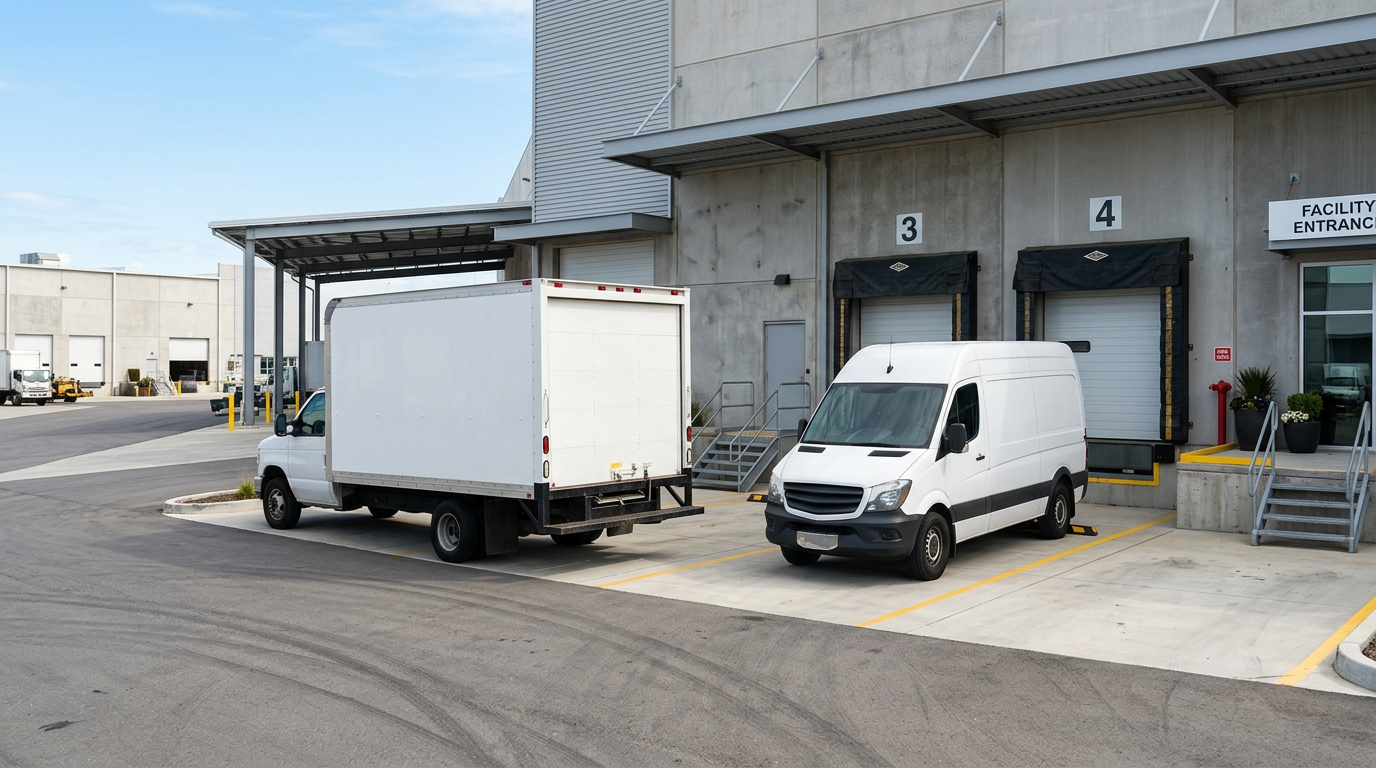
Service vans are common across San Antonio for HVAC, plumbing, electrical, appliance repair, cleaning, and mobile services. These vehicles often carry expensive tools, ladders, parts, and supplies. A commercial policy can help protect the van and support the business if the vehicle is damaged in a crash or stolen from a worksite.
Pickup trucks and work trucks
Pickup trucks are essential for contractors, landscapers, tree service crews, and trades businesses. These vehicles may pull trailers, transport equipment, and travel between multiple job sites in a single day. Because they are used for business purposes, they usually need a commercial policy rather than a personal policy.
Box trucks and cargo vans
Box trucks and larger cargo vans are often used by delivery companies, moving businesses, furniture transporters, and distributors. These vehicles spend significant time on local roads and highways, often in stop-and-go traffic and loading zones. The commercial policy can be tailored to the vehicle’s weight, use, and cargo exposure.
Fleet vehicles
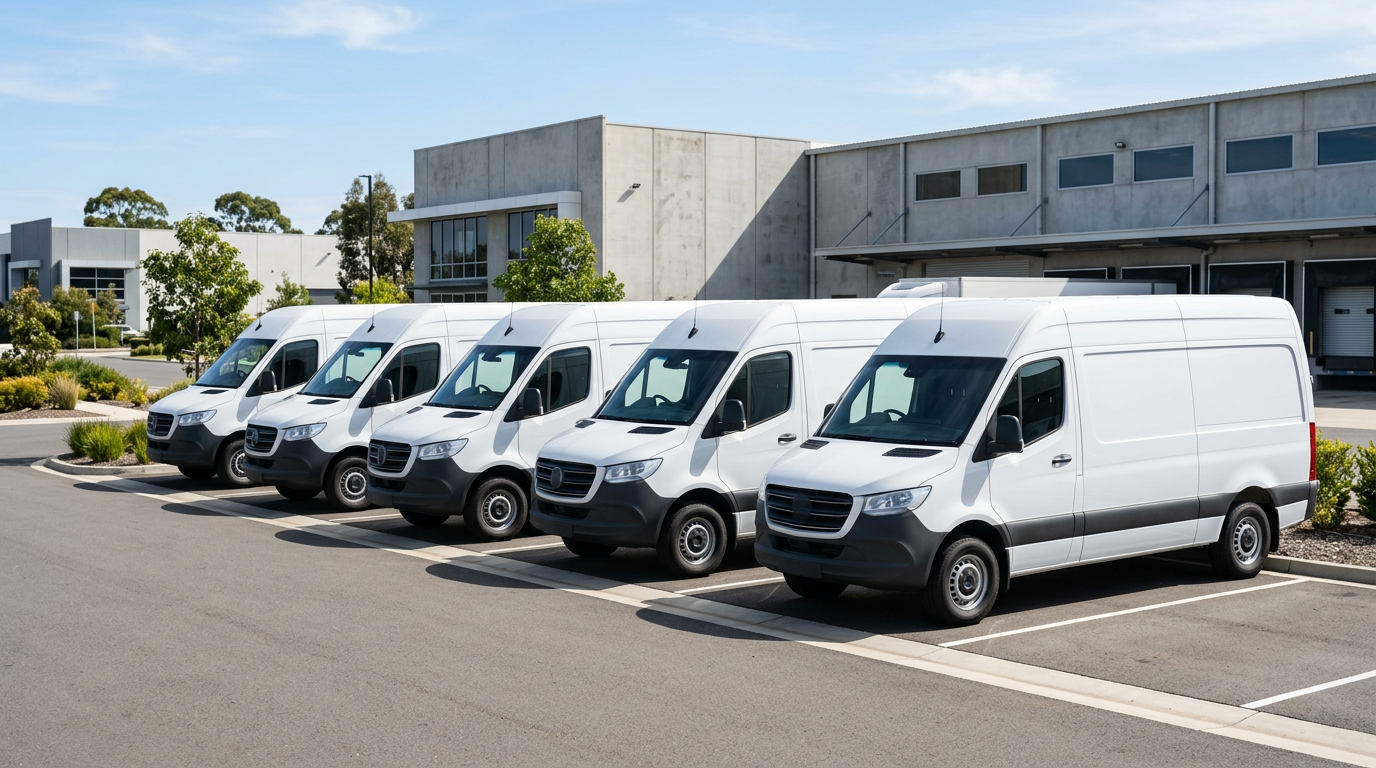
Businesses with multiple vehicles—whether five vans or fifty service trucks—need a policy structure that can keep up with growth. Fleet coverage can simplify management, help with certificates of insurance, and make it easier to add or remove vehicles as the business changes. San Antonio companies with multiple crews working in different parts of the metro area often benefit from a fleet approach.
Hotshot trucking
Hotshot trucking typically involves time-sensitive hauling with a pickup and trailer or other specialized equipment. These operations often work on tight schedules and may cross state lines. Because risk can be higher and contract expectations can be strict, hotshot operators need coverage that addresses both the truck and the trailer exposure, along with the liability limits required by customers and regulators.
For businesses operating in and around San Antonio, vehicle type affects underwriting, policy options, and required endorsements. The more the vehicle is used for business income, the more important it is to have the right type of commercial policy.
5) How TOP Insurance helps San Antonio businesses
TOP Insurance LLC is an independent agency, which means we can compare options from multiple carriers instead of being limited to one company’s products. That matters when your business needs a policy that fits a specific vehicle, a contract requirement, or a growing fleet.
We help San Antonio business owners and managers with:
- Commercial auto quotes for single vehicles, small businesses, and fleets
- Bilingual support in English and Spanish
- Coverage guidance for Texas minimums and higher contract requirements
- Help with liability limits, physical damage, and policy structure
- Certificates of insurance for clients, landlords, and contractors
- Options for vans, trucks, box trucks, hotshot operations, and other commercial vehicles
Many of our clients are family businesses or owner-operators who need straightforward explanations without jargon. We understand that a business in San Antonio may need to insure one work truck today and several vehicles later as the company expands. Our role is to help you make a smart coverage decision now and adapt it as your business grows.
We also know how important speed can be. A delayed certificate can delay a job. A missing endorsement can create problems with a contract. That is why we focus on responsive service and clear communication. If you speak English, Spanish, or both, we can help you understand the coverage and the paperwork.
If your business operates in neighborhoods like the Medical Center, Downtown, the South Side, Northwest San Antonio, or the suburbs around Bexar County, we can help you evaluate the right commercial auto policy for your driving exposure. The goal is simple: protect the vehicles that keep your business moving.
6) FAQ
Do I need commercial auto insurance if I only use my personal truck for work sometimes?
Maybe, yes. If the truck is used to carry tools, make deliveries, transport materials, or visit job sites for business, a personal policy may not be enough. The safest step is to review how the vehicle is actually used and ask for a commercial auto quote if there is any business exposure.
What is the minimum commercial auto liability required in Texas?
Texas requires at least 30/60/25 liability coverage: $30,000 bodily injury per person, $60,000 bodily injury per accident, and $25,000 property damage. Many businesses need much higher limits because contracts, clients, lenders, and regulators often demand more protection.
Do trucking companies in San Antonio need different insurance?
Often yes. Trucking and hotshot operations may face federal requirements if they are interstate for-hire carriers, and the FMCSA may require at least $750,000 in minimum financial responsibility. Cargo type, route, and operating authority can also affect the policy structure.
Can TOP Insurance help with bilingual quotes and multiple vehicles?
Yes. We help San Antonio businesses in English and Spanish, and we can shop multiple carriers for single vehicles, fleets, vans, trucks, and hotshot operations. We also help with certificates and coverage questions so your business can stay compliant and ready for work.
Frequently Asked Questions
Why can't I use my personal auto policy for my San Antonio business?
Personal auto policies typically exclude coverage for vehicles used primarily for business operations, commercial deliveries, or transporting equipment. If an employee is involved in an accident while performing job duties, your personal insurer can deny the claim. Commercial auto insurance is specifically tailored to protect against the higher liability risks associated with daily business driving.
What types of vehicles require commercial auto insurance in Texas?
Any vehicle owned, leased, or titled in your business's name should be covered by a commercial auto policy. This includes work trucks, service vans, food trucks, and commercial trailers used to carry tools, inventory, or employees to job sites. Additionally, personal vehicles used regularly for commercial activities like transport or delivery usually require commercial coverage.
Are employees covered when driving their personal vehicles for business errands?
Standard personal auto policies often will not cover accidents that occur while an employee is driving on the clock for business purposes. To protect your business from liability in these scenarios, you need hired and non-owned auto (HNOA) coverage, which can typically be added to your commercial auto policy. This coverage protects your company if an employee causes an accident while using their own vehicle for work tasks.
What are the minimum auto liability requirements for commercial vehicles in Texas?
Texas law requires all commercial vehicles to carry minimum liability limits to pay for bodily injury and property damage caused to others in an at-fault accident. However, many business owners opt for higher liability limits or umbrella policies to adequately protect their business assets against catastrophic claims. Specific industries, such as heavy trucking or passenger transport, may be subject to higher state and federal financial responsibility requirements.
What optional coverages should San Antonio businesses consider?
Beyond mandatory liability coverage, local businesses often add comprehensive and collision coverage to repair physical damage caused by traffic accidents, hail, theft, or severe weather. Many policies also include uninsured/underinsured motorist coverage to protect drivers if they are hit by an uninsured driver on busy corridors like Loop 410 or I-35. Medical payments coverage can also assist with immediate medical expenses for drivers and passengers regardless of fault.

TOP Insurance LLC is a licensed independent insurance agency serving Georgia, Florida, South Carolina, Tennessee, Alabama, Indiana and Texas. Our bilingual team of licensed agents compares options from several carriers to find an alternative that fits your needs and budget. With offices in Duluth, Lawrenceville and Gainesville, GA, we specialize in auto, home, life, health and commercial insurance for the Hispanic community and all residents. Some carriers may offer options for applicants with an ITIN, consular ID, foreign passport or foreign license; required documentation and eligibility depend on each carrier.
Ready for your free quote?
Our bilingual agents help you compare options from multiple carriers to find an alternative that fits your needs and budget. Same-day response, no obligation.