Do I need commercial auto insurance if I use my personal vehicle for work?
If you regularly use a personal vehicle for business, you may need commercial coverage or a business auto endorsement depending on how the vehicle is used. The key issue is business use, not just ownership. If the car is used to transport equipment, make deliveries, or visit job sites often, review the policy carefully.
- Insurance type
- commercial-auto
- Languages
- Spanish and English
- Documentation
- Options available depending on carrier and eligibility
- Free quote
- Yes, no obligation
- Carriers
- Several compared
- Phone
- 1-877-579-0587
Fast, free quotes with bilingual agents. No obligation.
If your business uses vehicles in Jacksonville, commercial auto insurance is not optional to take seriously—it is a core protection for your operations. In a city as large and active as Jacksonville, businesses rely on vehicles every day to move products, reach job sites, serve customers, make deliveries, and keep schedules on track. From logistics companies near the port to contractors, healthcare providers, service businesses, and companies with sales teams on the road, the right policy can help protect against costly accidents, liability claims, and property damage.
One important point: personal auto insurance is usually not enough when a vehicle is used for business. If the vehicle is owned by a company, registered to a business, used to transport tools or goods, or driven regularly for business purposes, a commercial auto policy is typically the right fit. Jacksonville businesses also face real exposure because the area is a major logistics, port, and military hub, with busy roadways, commercial traffic, and daily vehicle use across a wide range of industries.
This 2026 guide explains what commercial auto insurance covers, how it differs from personal auto, why higher limits are often required, and how TOP Insurance LLC helps Jacksonville businesses find the right protection.
Who needs commercial auto insurance in Jacksonville?
Commercial auto insurance is designed for vehicles used in business operations. In Jacksonville, that can include a wide range of industries and vehicle types. You may need it if your business:
- Owns or leases vehicles in the business name
- Uses vehicles to deliver products or transport equipment
- Sends employees to job sites, appointments, or customer locations
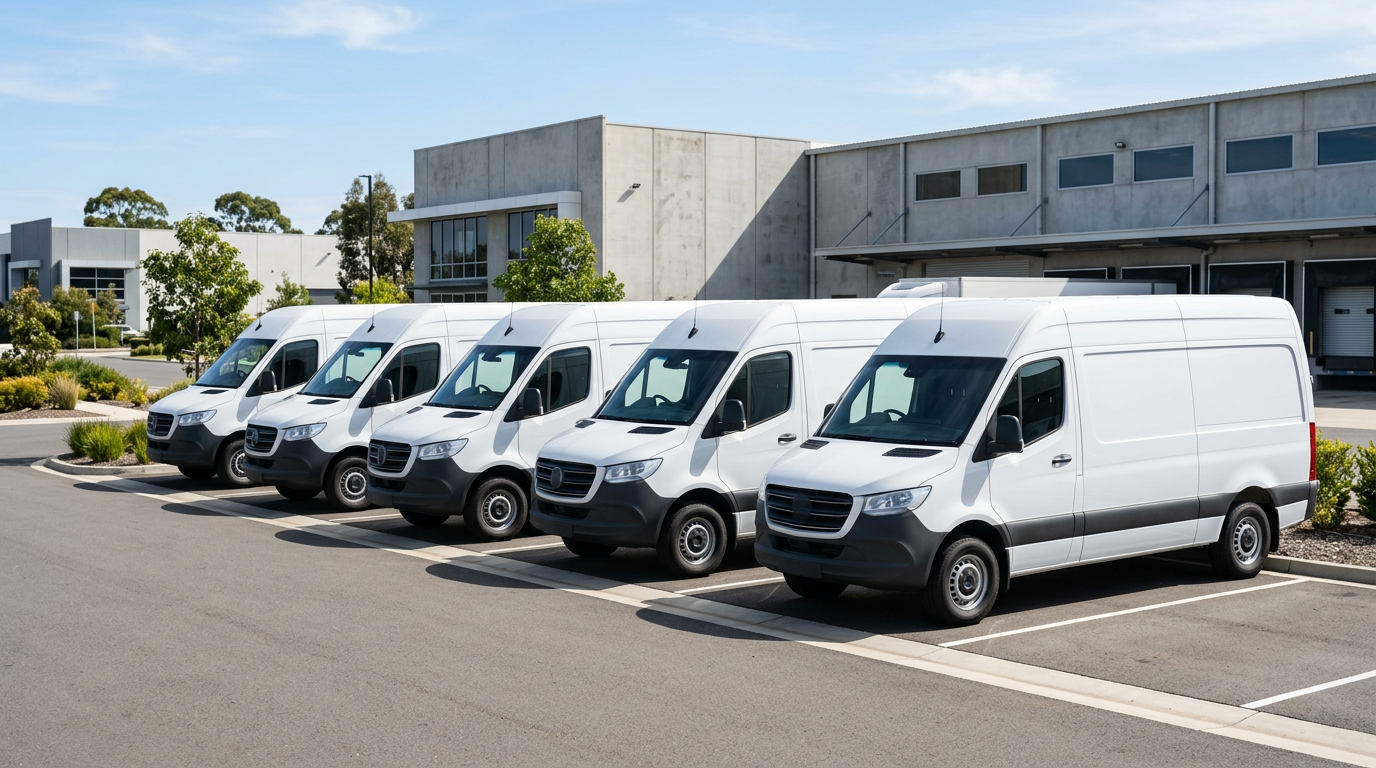
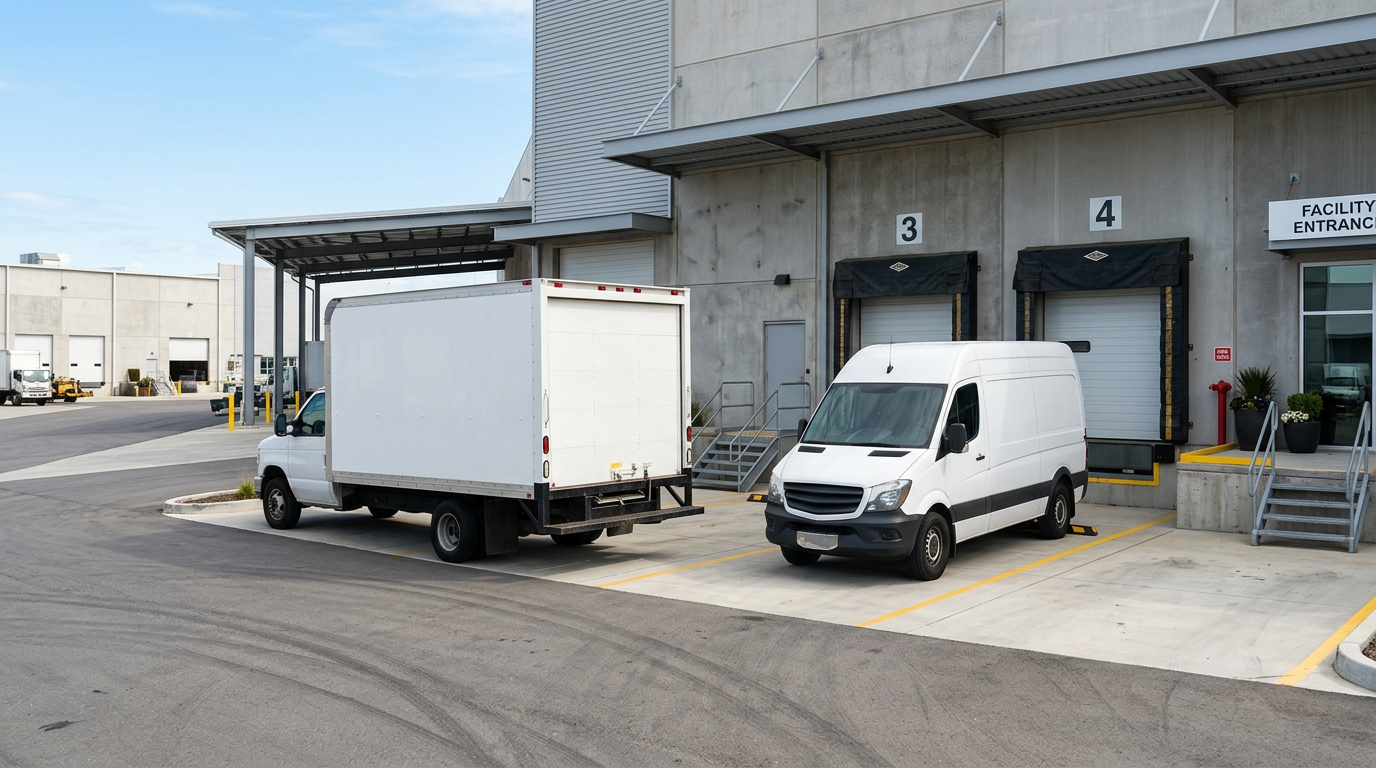
- Operates vans, box trucks, pickup trucks, cargo vans, or fleet vehicles
- Moves goods in the logistics, freight, or shipping sectors
- Runs hotshot, contractor, or specialized transport operations
- Uses trucks or vans for healthcare, maintenance, cleaning, or service calls
Jacksonville’s economy creates many real-world use cases for commercial vehicles. The city’s port and logistics activity support freight and distribution businesses, while healthcare, finance, construction, and service companies all depend on vehicles to stay productive. If a vehicle is essential to earning revenue or performing work, it should be evaluated for commercial coverage.
Even if a vehicle is not branded or clearly marked for business, it may still need commercial auto insurance if it is used regularly for work. Insurance companies look at how the vehicle is used, who drives it, what it carries, where it goes, and whether the vehicle is owned by the business or an individual owner.
What commercial auto covers vs. personal auto
Commercial auto insurance is built for business use, which means the policy is designed to address exposures personal auto policies often exclude or limit. Personal auto insurance is meant for private, household use. When a vehicle is part of business operations, the risk profile changes.
Commercial auto coverage commonly helps pay for damage or liability from accidents involving insured business vehicles. Depending on the policy, it may include:
- Liability coverage for injuries or property damage caused to others
- Physical damage coverage for the insured vehicle, such as collision and comprehensive losses
- Medical-related protections or other required coverages depending on the policy structure and vehicle use
- Uninsured or underinsured motorist coverage, when available and selected
- Coverage for hired or non-owned vehicles, if the business uses rented vehicles or employees’ vehicles for work
By contrast, a personal auto policy may deny a claim if the insurer determines the vehicle was being used for business beyond what the policy allows. That is especially important in a city like Jacksonville, where business travel is constant and vehicles may cross between local routes, interstate highways, job sites, warehouses, and customer locations.
Commercial policies can also be structured to reflect multiple drivers and multiple vehicles. That matters for growing businesses, because one employee may use a van in the morning, another may take a truck in the afternoon, and fleet operations may involve several vehicles active on the same day.
Why the difference matters
Using a personal auto policy for business driving can create serious problems when a loss happens. A claim that appears small can become expensive very quickly if coverage is denied or limited. For example, a delivery driver, contractor, or service technician could be involved in an accident while on the job, and the business may be responsible for injuries, repairs, delays, and legal defense concerns. Commercial auto helps close that gap.
For Jacksonville businesses, this is especially important because of the city’s scale and traffic patterns. Freight movement, port-related traffic, military routes, construction corridors, and dense commercial zones can all increase exposure. A vehicle accident can disrupt operations, damage reputation, and create legal and financial problems if the policy is not properly matched to business use.
State minimums are only the starting point
Florida is a no-fault state, and the legal minimum for standard registration is $10,000 in personal injury protection (PIP) and $10,000 in property damage liability. Bodily injury liability is not required for standard registration. However, businesses should not mistake the state minimum for adequate protection.
For commercial vehicles, many clients, landlords, shippers, lenders, and contract partners require much higher liability limits than the legal minimum. It is common for business contracts to require higher policy limits, and in some cases a combined single limit in the range of $500,000 to $1,000,000 may be expected. The exact requirement depends on the contract, industry, and risk involved.
That means a business can be legally registered and still be underinsured for real-world operations. A policy that only meets the minimum may not satisfy a customer agreement, vendor contract, or operational requirement. This is one reason commercial auto insurance should be reviewed carefully before a business signs a contract or puts a new vehicle on the road.
DOT and FMCSA requirements for trucking
For interstate for-hire trucking, federal rules come into play. The Federal Motor Carrier Safety Administration (FMCSA) regulates many trucking operations, and interstate for-hire carriers are subject to minimum liability requirements. In many cases, federal trucking rules require at least $750,000 in liability coverage, and some operations may need more depending on the cargo and business model.
This is a critical distinction for Jacksonville businesses involved in freight, hotshot hauling, or interstate logistics. If your vehicles cross state lines or operate as for-hire carriers, you may need a policy designed to satisfy FMCSA expectations and the contracts you accept. A standard personal auto policy is not appropriate for that kind of exposure.
Even local businesses that do not cross state lines may still need higher limits due to contract requirements, customer expectations, or the value of the vehicles and cargo involved. The right limit depends on how the vehicle is used, not just where it is parked.
Vehicle types we help insure
Jacksonville businesses use a wide variety of vehicles, and commercial auto insurance can be tailored to match the actual operation. Common vehicle types include:
- Vans used for deliveries, service work, or transporting equipment
- Pickup trucks used by contractors, landscapers, and maintenance teams
- Box trucks used for moving inventory, goods, and supplies
- Fleet vehicles for businesses with several cars, vans, or trucks on the road
- Hotshot trucks used for urgent or time-sensitive hauling
- Specialty business vehicles used in healthcare support, cleaning, catering, or repair services
If your business operates a fleet, managing one policy for multiple vehicles can simplify administration. That can help with consistency across drivers, coverage terms, and renewal timing. For growing companies, fleet-focused coverage may be more efficient than trying to manage separate policies vehicle by vehicle.
Hotshot and trucking operations deserve special attention because the insurance requirements may be more complex. Cargo, delivery radius, types of loads, interstate travel, and contract obligations can all affect how the policy should be built. The same is true for businesses that lease vehicles or use hired vehicles for short-term projects.
Commercial auto can also be useful for businesses with mixed-use needs. For example, a contractor may use a truck for work during the day and storage of tools overnight. A healthcare provider may use a van to transport equipment or supplies. A logistics company may need coverage for multiple trucks moving through the Jacksonville area and beyond. The policy should reflect the actual business purpose of the vehicle.
Questions that affect the right coverage
When reviewing commercial auto insurance, insurers usually ask questions such as:
- Who owns the vehicle?
- How is the vehicle used day to day?
- How many drivers will operate it?
- Do drivers have clean or complicated driving records?
- Does the business haul cargo, tools, passengers, or hazardous items?
- Does the vehicle travel locally or across state lines?
- Is the vehicle leased, financed, or owned outright?
These details matter because the policy needs to fit the risk. A delivery van in Jacksonville does not carry the same exposure as a long-haul truck, and a contractor’s pickup truck is different from a fleet of sales vehicles. Accurate underwriting helps avoid surprises later.
Why Jacksonville businesses benefit from local commercial auto guidance
Jacksonville’s business community is broad and active, and the city’s transportation network supports commerce across Northeast Florida and beyond. That creates opportunity, but it also creates risk. With more commercial vehicles on the road, more customer sites to visit, and more freight moving through the region, businesses need practical insurance advice that takes local conditions into account.
A locally informed agent can help you identify whether your policy should be written as a commercial auto policy, a business auto policy, a fleet policy, or a trucking-oriented solution. That distinction matters because the wrong policy can leave major gaps. Jacksonville’s mix of logistics, military-related activity, healthcare growth, finance, and a rising Hispanic population also means businesses often need service that is clear, responsive, and multilingual.
How TOP Insurance helps Jacksonville businesses
TOP Insurance LLC is an independent agency serving Jacksonville and businesses across Florida and several other states. We help business owners compare options from multiple carriers so they can find coverage that fits the vehicle, the drivers, and the way the business actually operates.
We can help with:
- Commercial auto policies for business-owned vehicles
- Coverage reviews for vans, trucks, fleets, and hotshot operations
- Policy comparisons from multiple carriers
- Guidance for contract and certificate requirements
- Bilingual service in English and Spanish
- Free quotes with no pressure
Because we are independent, we are not tied to just one insurance company. That allows us to compare options and help match coverage to the business instead of forcing the business to fit a one-size-fits-all policy. For Jacksonville owners balancing compliance, contracts, and daily operations, that flexibility can be valuable.
We also understand that insurance questions can be time-sensitive. A new contract may require proof of coverage, a lender may request insurance details, or a business may need a vehicle insured before it can go into service. Our goal is to make the process straightforward and practical.
Frequently asked questions
Do I need commercial auto insurance if I use my personal vehicle for work?
If you regularly use a personal vehicle for business, you may need commercial coverage or a business auto endorsement depending on how the vehicle is used. The key issue is business use, not just ownership. If the car is used to transport equipment, make deliveries, or visit job sites often, review the policy carefully.
Does Florida require bodily injury liability for commercial vehicles?
For standard registration in Florida, bodily injury liability is not required. The state minimum includes $10,000 PIP and $10,000 property damage liability. However, many businesses need much higher liability limits because of contracts, lenders, shippers, or operational requirements.
What if my business operates across state lines?
If your business moves vehicles across state lines, especially in for-hire trucking, federal rules may apply. Interstate carriers regulated by FMCSA often need at least $750,000 in liability coverage, and some operations require more. Your coverage should be reviewed before the vehicle begins interstate work.
Can one policy cover multiple business vehicles?
Yes. Many businesses use a commercial auto or fleet policy to insure multiple vehicles under one program. This can be helpful for companies that operate vans, trucks, or several service vehicles in Jacksonville and surrounding areas.
If you are not sure whether your current policy is enough, it is worth reviewing before a claim or contract issue happens. In commercial auto insurance, the right policy is about matching coverage to real business use, real contract requirements, and real-world risk. For Jacksonville businesses, that means having a plan that supports growth, compliance, and day-to-day operations without relying on personal auto coverage that may not be designed for the job.

TOP Insurance LLC is a licensed independent insurance agency serving Georgia, Florida, South Carolina, Tennessee, Alabama, Indiana and Texas. Our bilingual team of licensed agents compares options from several carriers to find an alternative that fits your needs and budget. With offices in Duluth, Lawrenceville and Gainesville, GA, we specialize in auto, home, life, health and commercial insurance for the Hispanic community and all residents. Some carriers may offer options for applicants with an ITIN, consular ID, foreign passport or foreign license; required documentation and eligibility depend on each carrier.
Ready for your free quote?
Our bilingual agents help you compare options from multiple carriers to find an alternative that fits your needs and budget. Same-day response, no obligation.