Why can't I use my personal auto policy for business driving in Indianapolis?
Personal auto policies typically exclude coverage for business uses, such as hauling commercial equipment, transporting goods, or making deliveries. If an accident occurs while performing work duties, your personal insurer may deny the claim. Commercial auto insurance is specifically designed to provide the higher liability limits and proper coverage needed for business operations.
- Insurance type
- commercial-auto
- Languages
- Spanish and English
- Documentation
- Options available depending on carrier and eligibility
- Free quote
- Yes, no obligation
- Carriers
- Several compared
- Phone
- 1-877-579-0587
Fast, free quotes with bilingual agents. No obligation.
If your business owns vehicles in Indianapolis, or if employees use vehicles for work, you likely need commercial auto insurance rather than a personal auto policy. This matters for a wide range of local businesses across the city and surrounding areas, from contractors working near Broad Ripple and Irvington to delivery operations serving downtown, industrial corridors, and logistics routes near the airport. In Indianapolis, the right commercial auto coverage helps protect your business when vehicles are part of the job, whether you operate one pickup truck or a small fleet of vans, box trucks, or hotshot rigs.
Commercial auto insurance is especially important in a city with varied driving conditions. Indianapolis businesses deal with dense traffic on I-65, I-70, and I-465, stop-and-go driving on Meridian, Washington, and Keystone, winter ice and snow, spring rain, and construction zones throughout Marion County. Those conditions can increase the chance of fender-benders, liability claims, and vehicle downtime. If your company depends on getting crews, tools, or goods from one jobsite to the next, your vehicles are part of your business continuity.
At TOP Insurance LLC, we help Indianapolis business owners understand when commercial auto is required, what it covers, and how to choose limits that fit real-world contractual and regulatory demands. Whether you are a sole proprietor, contractor, landscaper, plumber, electrician, courier, local hauler, or interstate trucking operation, we can help you compare options from multiple carriers and get a free quote in English or Spanish.
1) Who needs commercial auto insurance in Indianapolis?
In Indianapolis, commercial auto insurance is typically needed when a vehicle is owned by a business, titled to the business, or used primarily for work. A personal auto policy is not designed for many business uses, and claims can be denied if the vehicle is being used in a commercial way that the policy excludes. That can create a serious financial problem after an accident.
You should strongly consider commercial auto if your business:
- Owns vehicles in the company name
- Uses vans, pickups, trucks, trailers, or specialty vehicles for work
- Has employees driving for business purposes
- Delivers goods, materials, or equipment
- Uses vehicles to visit job sites across Indianapolis or beyond
- Hauls tools, supplies, or merchandise as part of daily operations
- Has vehicles registered for commercial use or weighing more than a typical personal auto
Many local businesses in Indianapolis fall into this category. Contractors working in neighborhoods like Fountain Square, Perry Township, and Speedway often need trucks and enclosed trailers for tools and materials. Catering companies, medical couriers, retail distributors, cleaning companies, and service businesses may rely on cargo vans or SUVs that are driven every day. Even a single vehicle used regularly for business can need commercial protection.
It is also important to consider who is behind the wheel. If employees, helpers, or subcontractors drive a vehicle in the course of business, your exposure is usually greater than that of a household family car. A commercial policy can be structured to reflect that risk, and in many cases it is the only acceptable option for contracts or lender requirements.
2) What commercial auto covers vs. personal auto
Commercial auto insurance is built for business-use vehicles. Personal auto insurance is designed mainly for personal, family, and commuting use. When a vehicle is used to generate income, transport materials, or support a business operation, the exposure changes. Commercial policies are intended to respond to those business risks.
Typical commercial auto coverage can include liability for bodily injury and property damage, collision, comprehensive, uninsured and underinsured motorist coverage, medical payments where available, and coverage for hired or non-owned vehicles depending on the policy. Depending on your operation, you may also need coverage for trailers, attached equipment, or specialized endorsements.
Here is the key difference: personal auto policies usually do not cover business use beyond very limited scenarios. If an employee is running errands for your company, making deliveries, towing equipment to a job site, or driving clients as part of the business, a personal policy may not be enough. A commercial policy is more suitable because it is rated and underwritten for those activities.
Commercial auto may be appropriate if you need protection for:
- Liability if your driver causes injury or property damage
- Damage to your business vehicle from a crash
- Losses from theft, vandalism, fire, hail, or certain weather events
- Uninsured or underinsured motorists
- Hired vehicles used by your business
- Non-owned autos driven for company business, if endorsed
It is also worth noting that commercial auto is often one part of a broader business insurance package. Many Indianapolis companies combine it with general liability, workers' compensation, inland marine, and commercial umbrella coverage. For example, a roofing contractor in Indianapolis may need a commercial auto policy for trucks and trailers, inland marine for tools, and general liability for jobsite exposures. The auto policy does not replace those other coverages, but it is an essential layer when vehicles are part of daily operations.
3) Higher limits required by contracts, lessors, DOT, and FMCSA
Indiana's legal minimum auto liability limit is 25/50/25: $25,000 bodily injury per person, $50,000 bodily injury per accident, and $25,000 property damage. That is the state minimum, but for many business operations it may be far below what is actually required by contracts, equipment leases, shipper agreements, or regulatory rules.
In the real world, many clients and lessors require significantly higher liability limits. It is common to see contract requirements in the $500,000 to $1,000,000 combined single limit range, especially for businesses that work on commercial properties, in public-sector environments, or as subcontractors for larger companies. If your company wants to bid on jobs in Indianapolis, having the wrong limit can cost you the contract even before a vehicle ever leaves the lot.
For interstate for-hire trucking, federal rules also apply. The Federal Motor Carrier Safety Administration, or FMCSA, regulates many trucking operations that cross state lines. Depending on the type of freight and operation, federal minimums often start at $750,000 and can be higher. Hazardous materials and certain cargo types may require more. This is why truckers and freight operators in Indianapolis should not rely on a basic personal or light-duty policy.
Businesses in the Indianapolis logistics market need to pay special attention to these requirements. The city sits at a major Midwest transportation crossroads, with access to interstate highways, distribution centers, warehouse districts, and regional freight routes. If your trucks move cargo across Indiana or state lines, your coverage should be designed for the way you actually operate, not just the minimum legal requirement.
Common situations where higher limits may be needed include:
- General contractors and subcontractors with insurance requirements in vendor agreements
- Leased vehicles where the lender or lessor sets minimum liability limits
- Courier and delivery businesses serving commercial accounts
- Freight carriers and hotshot operators hauling across state lines
- Businesses entering job sites that require proof of higher limits and additional insured wording
A good rule of thumb is to review contracts before renewing a policy. The cheapest limit is not always the right limit. If your business cannot meet a contractual requirement, the policy may leave you unable to work, even if the vehicle itself is insured. TOP Insurance LLC can help review those requirements and match your policy to the actual wording of the contract or motor carrier obligation.
4) Vehicle types we insure: vans, trucks, fleets, and hotshot rigs
Indianapolis businesses use many different vehicle types, and each one brings different insurance needs. Commercial auto can be tailored for one vehicle or many, from light-duty work trucks to larger fleet operations.
Vans
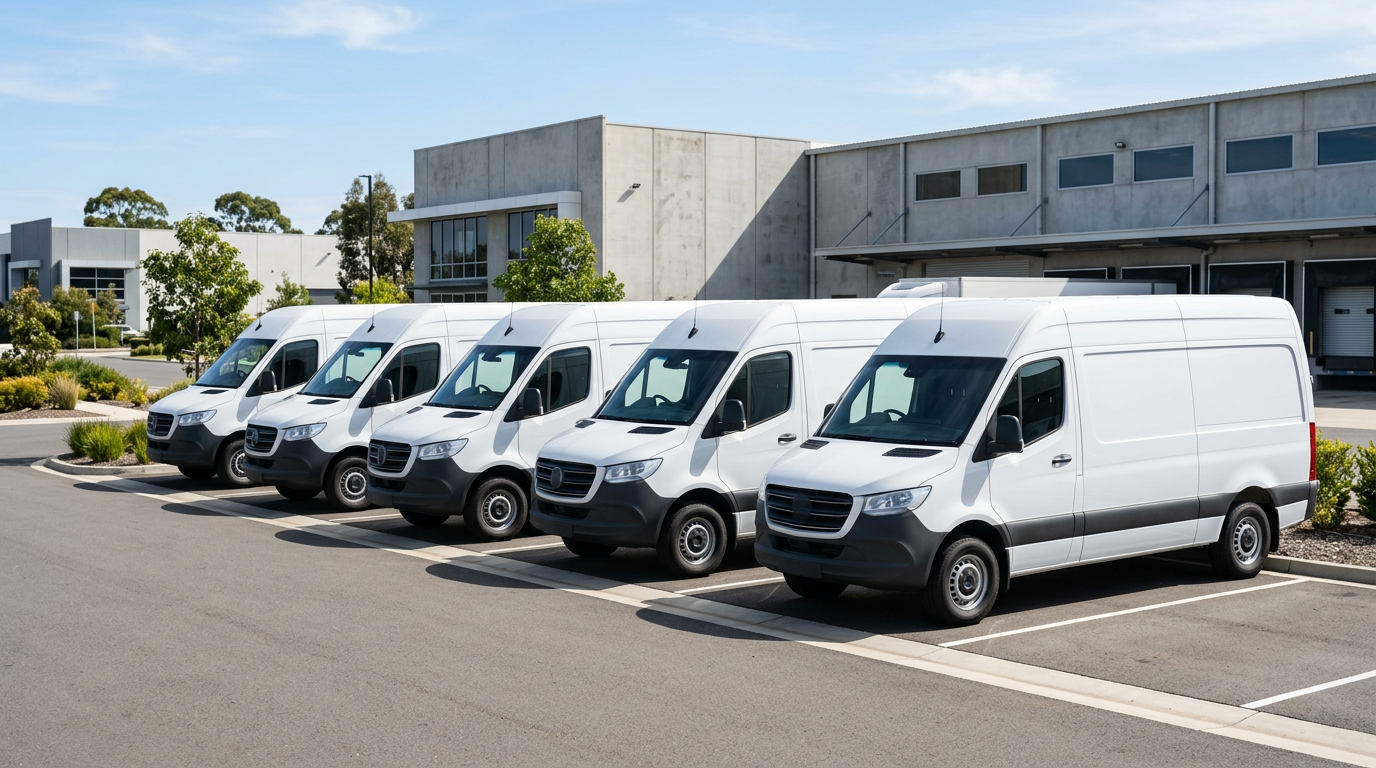
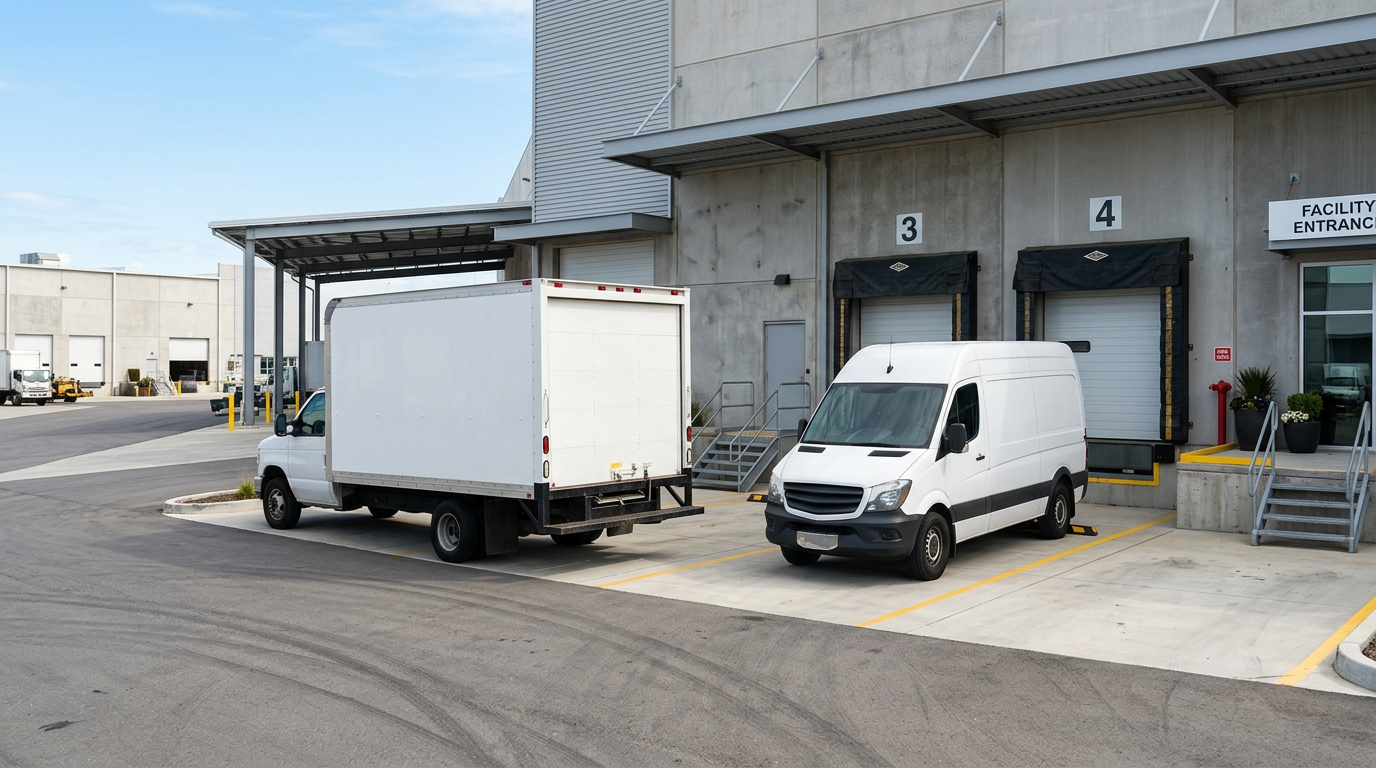
Cargo vans and passenger vans are common for electricians, HVAC companies, plumbers, mobile repair businesses, churches, nonprofits, and delivery services. Vans often carry tools, parts, and inventory, which can increase both liability and physical damage concerns. If your staff drives a van to multiple stops in neighborhoods like Castleton, Nora, Beech Grove, or downtown Indianapolis, you may need coverage that reflects frequent urban driving and parking exposure.
Trucks
Pickup trucks, dump trucks, flatbeds, box trucks, utility trucks, and service bodies are the backbone of many construction and trades businesses in Indianapolis. These vehicles are often used to tow trailers, carry heavy equipment, or transport materials to jobsites. Because trucks can cause greater damage in a collision and are often more expensive to repair, choosing the right limits and physical damage coverage is important.
Fleets
If your business has multiple vehicles, even a small fleet can create a bigger insurance management challenge. Fleets may include a combination of cars, vans, pickups, and specialty units. You may need a policy that simplifies driver management, supports multiple vehicle types, and keeps certificates and endorsements organized for customers and general contractors. Indianapolis businesses with fleet needs often value flexibility, fast certificate turnaround, and help keeping vehicles properly scheduled.
Hotshot and specialized hauling
Hotshot trucking and other expedited hauling operations are common for businesses that move time-sensitive freight, construction materials, machinery, or equipment. These operations can involve gooseneck trailers, go-fast delivery schedules, and interstate routes, which makes insurance more complex. If your vehicle is used for for-hire hauling, especially across state lines, federal and contractual requirements can become a major factor. The policy should match the type of cargo, radius of operation, trailer use, and driver profile.
Other vehicle classes that may need commercial auto in Indianapolis include:
- Food trucks and mobile service units
- Refrigerated vans for perishables
- Dump trailers and equipment trailers
- Box trucks for moving or delivery services
- Utility vehicles used by municipalities, nonprofits, or contractors
Every vehicle class has a different loss pattern. A delivery van in downtown traffic has different risks than a flatbed traveling between Franklin and Indianapolis or a hotshot truck operating on I-465 at rush hour. The right insurer will ask how the vehicle is used, where it goes, who drives it, and what it carries. That information helps place the coverage correctly.
5) How TOP Insurance helps Indianapolis business owners
TOP Insurance LLC helps Indianapolis business owners shop commercial auto insurance with clarity and local knowledge. We work as an independent agency, which means we can compare multiple carriers rather than steering you toward a single option. That is important when your business has unique vehicle usage, a mixed fleet, or contract-driven coverage demands.
We also understand that many Indianapolis businesses are bilingual or serve bilingual communities. Spanish-speaking owners, drivers, and office managers should be able to discuss insurance without confusion. Our team can explain coverage options in English or Spanish so you can make decisions with confidence.
Our process is designed to be practical and fast. We can help you:
- Review whether your vehicle should be on a commercial policy
- Check if your current limits meet state, contract, lender, or FMCSA expectations
- Compare options from multiple carriers
- Identify gaps involving hired and non-owned autos, trailers, or business use
- Prepare free quotes based on the way your business actually operates
- Support growing businesses as vehicle counts, drivers, and routes change
For Indianapolis clients, this often means looking beyond the vehicle itself. We consider whether you operate in heavy traffic, haul tools or goods, drive across county lines, or need proof of insurance for a specific customer. The goal is not simply to place a policy; it is to place the right policy for your business model.
If your company is based in neighborhoods like Downtown, Fountain Square, Broad Ripple, Speedway, Lawrence, or the surrounding metro area, we can help you structure a policy that fits local driving conditions and business demands. We also help businesses that operate statewide or across state lines from a central Indianapolis location.
6) FAQ
Do I need commercial auto if I only use my truck for work sometimes?
Maybe. If the vehicle is regularly used for business, a commercial policy is often the safer choice. A personal auto policy may not cover work-related use the way you expect, especially if employees, tools, deliveries, or jobsite travel are involved.
What is the minimum commercial auto liability in Indiana?
Indiana's legal minimum is 25/50/25: $25,000 bodily injury per person, $50,000 bodily injury per accident, and $25,000 property damage. However, many businesses need higher limits because of contracts, lessor rules, or federal regulations.
Do contractors in Indianapolis usually need higher limits?
Yes, often they do. Many commercial clients, general contractors, and project owners require higher limits than the state minimum, and they may ask for proof of insurance before work begins.
Can TOP Insurance help with trucking or hotshot coverage?
Yes. We can help businesses that operate vans, pickups, fleets, box trucks, and hotshot rigs, including operations that may need higher limits for interstate for-hire hauling.
Commercial auto insurance is not just a box to check. For Indianapolis businesses, it is often the coverage that keeps a job schedule moving after a crash, protects against liability claims, and helps you meet the requirements of customers and regulators. If your business uses vehicles in any meaningful way, it is worth reviewing your policy before the next claim, contract, or renewal.
Frequently Asked Questions
Why can't I use my personal auto policy for business driving in Indianapolis?
Personal auto policies typically exclude coverage for business uses, such as hauling commercial equipment, transporting goods, or making deliveries. If an accident occurs while performing work duties, your personal insurer may deny the claim. Commercial auto insurance is specifically designed to provide the higher liability limits and proper coverage needed for business operations.
Are Indianapolis businesses required to carry commercial auto insurance?
Indiana state law requires all motor vehicles to maintain minimum auto liability coverage regardless of whether they are personal or commercial. If your company titles vehicles in its business name, you must secure a commercial auto policy to meet these legal requirements and register your vehicles. Maintaining proper coverage also protects your business assets from substantial third-party liability claims in the event of an at-fault accident.
Does commercial auto insurance cover employees driving their own vehicles for work?
A standard commercial auto policy only covers company-owned or leased vehicles specified on the policy declarations page. To protect your business when employees use their personal vehicles for business errands or client visits, you must add hired and non-owned auto (HNOA) liability coverage. This endorsement provides excess liability protection if an employee causes an accident while on company time.
What types of vehicles can be insured under a commercial auto policy?
Commercial auto policies can cover a wide range of business vehicles, including passenger cars, pickup trucks, cargo vans, box trucks, and utility trailers. They can also be customized for specialized commercial vehicles such as hotshot rigs or heavy-duty transport trucks. Coverage terms and endorsements will vary depending on the gross vehicle weight, vehicle classification, and intended business use.
How do local Indianapolis driving conditions affect the need for comprehensive and collision coverage?
Indianapolis businesses face unique hazards, including heavy highway traffic along I-465, winter weather ice storms, and urban road construction. Adding collision coverage helps pay for damage to your company vehicles resulting from traffic accidents, while comprehensive coverage protects against non-collision losses such as weather damage, theft, and vandalism. These first-party physical damage coverages are critical for minimizing business downtime when a vehicle is damaged.

TOP Insurance LLC is a licensed independent insurance agency serving Georgia, Florida, South Carolina, Tennessee, Alabama, Indiana and Texas. Our bilingual team of licensed agents compares options from several carriers to find an alternative that fits your needs and budget. With offices in Duluth, Lawrenceville and Gainesville, GA, we specialize in auto, home, life, health and commercial insurance for the Hispanic community and all residents. Some carriers may offer options for applicants with an ITIN, consular ID, foreign passport or foreign license; required documentation and eligibility depend on each carrier.
Ready for your free quote?
Our bilingual agents help you compare options from multiple carriers to find an alternative that fits your needs and budget. Same-day response, no obligation.