Why do businesses in Huntsville need commercial auto insurance instead of a personal auto policy?
Personal auto insurance policies typically exclude coverage for vehicles used primarily for business operations, deliveries, or transporting work tools and equipment. If a vehicle registered to or used by your business is involved in an accident, a commercial auto policy provides the necessary liability and physical damage coverage that personal policies deny.
- Insurance type
- commercial-auto
- Languages
- Spanish and English
- Documentation
- Options available depending on carrier and eligibility
- Free quote
- Yes, no obligation
- Carriers
- Several compared
- Phone
- 1-877-579-0587
Fast, free quotes with bilingual agents. No obligation.
If your business uses vehicles in Huntsville, Alabama, commercial auto insurance is not just a smart idea—it is often the right type of coverage for the way the vehicle is actually used. In a city with a strong mix of aerospace, defense, manufacturing, construction, logistics, healthcare, and service businesses, many companies rely on cars, vans, pickups, box trucks, and trailers to move people, tools, inventory, and equipment across town and beyond. If a vehicle is owned by a business, titled to a business, registered for business use, or driven for work tasks, it usually needs a commercial auto policy instead of a personal one.
Huntsville and Madison County continue to grow quickly, and business driving here is not limited to one part of town. You may be sending vehicles between Cummings Research Park, Redstone Arsenal-area contractors, industrial sites near I-565 and Memorial Parkway, job sites in South Huntsville, retail locations along University Drive, or warehouses and service routes in North Huntsville and nearby communities like Madison, Harvest, Owens Cross Roads, and Meridianville. Add in the mix of commuting traffic, construction zones, interstate travel, and weather that can bring heavy rain, lightning, sudden wind, and occasional winter ice, and the risk of accidents or damage becomes even more relevant for local businesses.
For many owners, the first question is simple: is personal auto enough? Usually, no. Personal auto policies are built for personal driving, not business operations. If you use a vehicle to haul tools, transport employees, make deliveries, visit clients, or move goods for pay, a personal policy may exclude the claim or leave a dangerous coverage gap. Commercial auto insurance is designed to respond to business use, and it can help protect your company, your drivers, and others on the road when something goes wrong.
What commercial auto insurance covers vs. personal auto
Commercial auto insurance and personal auto insurance may look similar at first glance because both can include liability, collision, and comprehensive coverage. The difference is how the policy is written and what kind of driving it is meant to cover. Business use changes the risk profile. A vehicle on the job may be driven more often, by more employees, with heavier loads, more frequent stops, or through unfamiliar routes. That is why insurers evaluate commercial vehicles differently.
Common coverages in a commercial auto policy
Liability coverage: Helps pay for bodily injury and property damage you cause to others in an at-fault accident.
Collision coverage: Helps repair or replace your covered vehicle after a crash, regardless of fault.
Comprehensive coverage: Helps with non-collision losses such as theft, vandalism, fire, hail, falling objects, and certain weather-related damage.
Uninsured/underinsured motorist coverage: May help if your business vehicle is hit by a driver with little or no insurance, if required or offered in the policy form.
Medical payments or personal injury protection, where applicable: Can help with certain medical costs after an accident, depending on the policy and vehicle type.
Hired and non-owned auto liability: Important for businesses that rent, lease, or have employees using their own cars for work.
Personal auto insurance, by contrast, is generally intended for commuting, errands, and family use. It may not cover deliveries, service calls, transporting tools and materials, or regular work travel. That matters because many Huntsville businesses depend on vehicles every day. A landscaping company may carry mowers and equipment. A contractor may move ladders, generators, and materials. A cleaning company may send employees to multiple job sites. A sales team may spend the day driving to clients throughout the metro area. In each of these examples, the vehicle is being used for business, so the right policy matters.
Commercial auto can also be structured for different setups. Some businesses need coverage for a single work truck, while others need a fleet policy for multiple vehicles. Some companies need coverage for owned vehicles only, while others need hired and non-owned protection for employee use, rentals, or temporary vehicles. The key is matching the policy to how the business really operates, not how a personal policy is usually written.
Higher limits required by contracts, lessors, and DOT/FMCSA
Alabama law sets a minimum liability requirement for vehicles in the state: 25/50/25, meaning $25,000 bodily injury per person, $50,000 bodily injury per accident, and $25,000 property damage. That is the legal floor, not a risk-management target. For business vehicles in Huntsville, especially those used on job sites, in delivery operations, or on highways, many companies need much higher limits because contracts and industry requirements often demand it.
Clients, general contractors, landlords, equipment lessors, and project owners may require proof of higher liability limits before they will award work or allow access to a site. It is common for contracts to ask for limits well above the state minimum, and some businesses are expected to carry a combined single limit in the range of $500,000 to $1,000,000 or more, depending on the job, vehicle type, and contract terms. This is especially common in construction, hauling, vendor delivery, and service businesses that work with larger commercial accounts.
For trucking and hauling businesses, the requirements can be even more specific. Interstate for-hire trucking is federally regulated by the FMCSA, and those operations often need at least $750,000 in liability coverage, with higher amounts possible depending on cargo type and operation. If a business in Huntsville moves freight across state lines, especially for hire, it should not assume that a basic personal or local business auto policy is enough. The route, cargo, truck type, and authority status all matter.
Even if a vehicle is not crossing state lines, local contracts can still push coverage requirements higher. A maintenance company may need to show proof of insurance to work in a hospital system, university setting, government contract, or industrial facility. A lessor may require specific limits and physical damage coverage before approving a leased van or truck. Some companies also require certificates of insurance with additional insured or loss payee wording, depending on the agreement.
For Huntsville businesses, the practical takeaway is this: do not buy coverage based only on the lowest legal limit. Buy coverage based on what your customers, your lender, your lessor, and your actual exposure require. A serious accident on Memorial Parkway, University Drive, Research Park Boulevard, or I-565 can lead to costly claims, especially if a business vehicle injures someone, damages multiple cars, or causes a delay to a commercial project.
Vehicle types: vans, trucks, fleets, and hotshot operations
Commercial auto insurance can be tailored to many kinds of business vehicles in Huntsville. The city’s business landscape means one-size-fits-all coverage usually does not work well. Different vehicles create different risks, and the policy should reflect that.
Vans
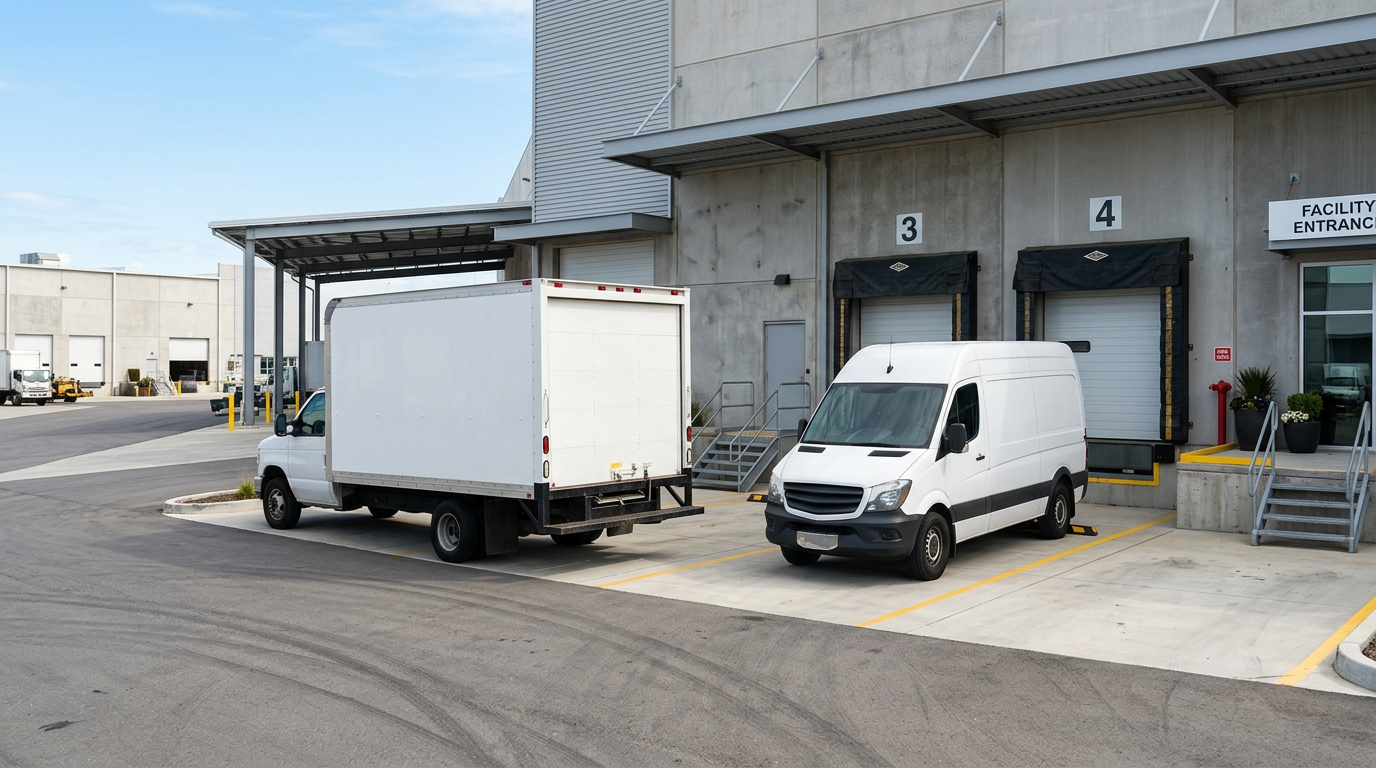
Service vans are common for HVAC, plumbing, electrical, cleaning, pest control, and mobile repair companies. These vehicles often carry tools, parts, ladders, and branded equipment, and they are frequently driven by employees throughout the day. Because they are on the road so often, commercial coverage is important for both liability and physical damage. If the van is used to transport workers to job sites or to carry inventory and supplies, the exposure goes up.
Trucks and pickups
Pickups and light-duty trucks are used by contractors, landscapers, haulers, distributors, and small manufacturers. In Huntsville, these vehicles may travel between suburban neighborhoods, industrial corridors, and construction sites. Many trucks carry trailers or tow equipment, which adds risk. Commercial auto can help protect the business if the truck is involved in a crash, suffers hail damage, or is vandalized or stolen.
Fleets
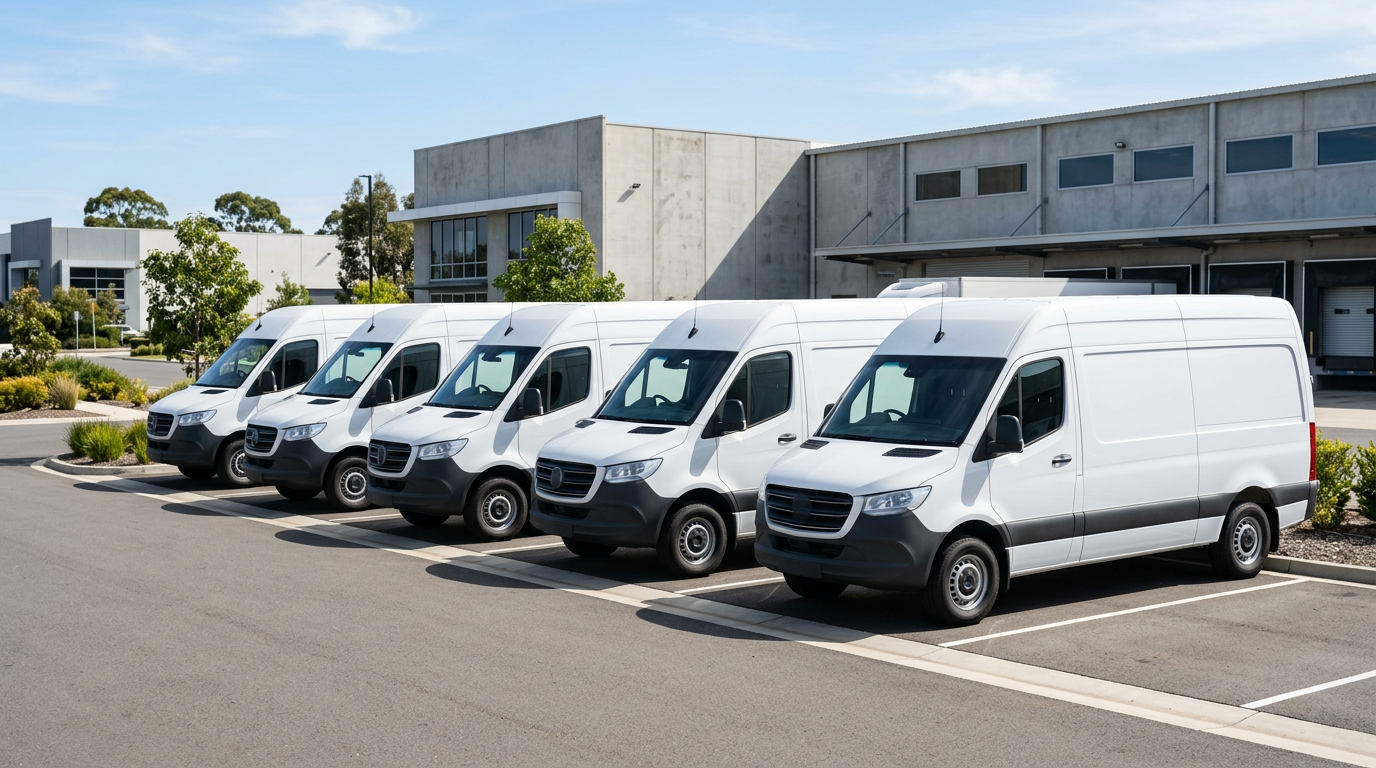
Businesses with several vehicles may need fleet coverage. Fleets are common for delivery companies, utility contractors, regional service businesses, and larger operations with multiple drivers. Fleet policies can simplify administration by covering multiple units under one program, but they still need to be reviewed carefully. The age of vehicles, driver history, annual mileage, garaging locations, and use patterns can all affect the insurance structure. In a growing market like Huntsville, fleet owners should also consider how vehicles are parked after hours, whether drivers take vehicles home, and whether routes extend into surrounding counties or across state lines.
Hotshot and expedited hauling
Hotshot operations are especially relevant in a business-heavy region like Huntsville, where construction, manufacturing, and aerospace support work can create urgent transport needs. Hotshot drivers typically move time-sensitive freight using pickup trucks and trailers. Because these operations may involve hauling across Alabama and beyond, insurance needs can be more complex than a standard contractor policy. Cargo type, trailer use, loading responsibility, interstate travel, and whether the operation is for hire all matter. If a business is doing expedited hauling, it should make sure the policy is built for that work and not just for local errands.
Some businesses also need coverage for specialty vehicles or mixed-use arrangements. That can include box trucks, flatbeds, dump trucks, utility trucks, cargo vans, service bodies, and vehicles with upfits or permanently attached equipment. If the business depends on the vehicle to generate revenue, the policy should reflect that value and use. The same is true for vehicles garaged in neighborhoods across Huntsville, from Five Points and Blossomwood to Jones Valley, Monrovia, and South Huntsville. Where the vehicle is kept, how often it is driven, and who drives it all matter for underwriting.
Why Huntsville businesses should take this seriously
Huntsville’s growth has brought more traffic, more construction, and more commercial driving. The city’s economy includes a large number of businesses that depend on transportation, whether they are moving technicians to defense-related facilities, delivering materials to job sites, providing healthcare support services, or servicing homes and offices throughout the metro area. That means commercial auto insurance is not a niche product here—it is a practical necessity for many owners.
Local weather can also increase exposure. Thunderstorms can bring hail, flooding, falling branches, and reduced visibility. Winter weather may create slick roads or ice-related hazards. Busy corridors can see rear-end accidents, lane-change collisions, and parking lot damage. For businesses, even a small loss can interrupt service, delay projects, and damage client relationships. A well-built commercial auto policy helps reduce the financial shock.
It is also important for bilingual and Hispanic-owned businesses in Huntsville and surrounding communities to have clear communication about coverage. Many local companies are family-owned, and vehicles may be shared among relatives or employees. Misunderstandings about who is insured, how a vehicle may be used, or whether a personal policy applies can create real problems after a claim. Working with an agency that can explain coverage clearly in English and Spanish can make a major difference.
How TOP Insurance helps Huntsville business owners
TOP Insurance LLC helps businesses in Huntsville and across Alabama find commercial auto coverage that fits the way they operate. As an independent agency, TOP Insurance can compare options from multiple carriers instead of offering only one company’s policy. That matters because every business is different. A contractor, delivery service, trucking operation, and small service company do not need the same insurance structure.
TOP Insurance also helps business owners understand whether they need a policy for one vehicle, several vehicles, hired and non-owned exposures, or a more specialized arrangement for hauling or interstate work. The goal is to align coverage with real-world use, contract requirements, and applicable state or federal rules. If your business needs proof of insurance for a client, lease, or job site, TOP Insurance can help issue the documentation you need.
Because Huntsville has a large and growing Hispanic community, bilingual service is especially valuable. Clear communication helps business owners ask the right questions and avoid costly misunderstandings. Whether you prefer English or Spanish, TOP Insurance can help explain what the policy covers, what limits may be needed, and what exclusions may apply.
Business owners can also request a free quote to review options before making a decision. That process can be useful whether you are insuring a single work truck, updating a fleet, adding a new van, or looking for coverage that meets a higher contractual requirement. The right policy should give you confidence every time a driver gets behind the wheel for work.
FAQ
Do I need commercial auto insurance if I only use my vehicle for work part of the time?
If the vehicle is used for business tasks regularly, commercial auto may be the correct coverage even if some personal use happens too. The key is how the vehicle is primarily used, who owns it, and whether the driving is tied to work duties.
Is Alabama’s minimum liability enough for a business vehicle?
Usually not. Alabama’s minimum of 25/50/25 is the legal floor, but many business contracts, lessors, and project requirements call for much higher limits. The right amount depends on your operations, not just the state minimum.
What if my employees drive their own cars for business?
You may need hired and non-owned auto liability. This can help protect the business when employees use personal vehicles for work errands, deliveries, or client visits, depending on the policy terms.
Can TOP Insurance help with trucking or hotshot coverage?
Yes. TOP Insurance can help businesses compare options for service vehicles, fleets, hauling, and other commercial auto needs, including operations that may have higher limit requirements or more specialized exposures.
Frequently Asked Questions
Why do businesses in Huntsville need commercial auto insurance instead of a personal auto policy?
Personal auto insurance policies typically exclude coverage for vehicles used primarily for business operations, deliveries, or transporting work tools and equipment. If a vehicle registered to or used by your business is involved in an accident, a commercial auto policy provides the necessary liability and physical damage coverage that personal policies deny.
What are the minimum auto liability insurance requirements for commercial vehicles in Alabama?
Alabama law requires all motor vehicles to carry minimum liability limits for bodily injury per person, total bodily injury per accident, and property damage. However, commercial enterprises in Huntsville often require significantly higher liability limits to adequately protect company assets and comply with commercial contract requirements.
Does commercial auto insurance cover employee-owned vehicles driven for work tasks?
Standard commercial auto policies cover company-owned vehicles, but they do not automatically cover employees driving their personal vehicles for business errands. To protect your business from liability when staff members use personal cars for work duties, you should add hired and non-owned auto insurance to your commercial policy.
What core coverages are included in a typical commercial auto policy?
A standard commercial auto policy generally includes combined single limit or split-limit liability coverage for bodily injury and property damage caused to third parties. It also typically provides physical damage protection through collision and comprehensive coverages, along with options for uninsured or underinsured motorist coverage.
Does commercial auto insurance cover the tools and equipment transported inside business vehicles?
Commercial auto insurance covers damage to the vehicle itself, but it generally excludes the tools, cargo, and specialized equipment transported inside. To protect work gear, materials, or inventory while in transit across Madison County, businesses typically need an inland marine policy or a cargo coverage endorsement.

TOP Insurance LLC is a licensed independent insurance agency serving Georgia, Florida, South Carolina, Tennessee, Alabama, Indiana and Texas. Our bilingual team of licensed agents compares options from several carriers to find an alternative that fits your needs and budget. With offices in Duluth, Lawrenceville and Gainesville, GA, we specialize in auto, home, life, health and commercial insurance for the Hispanic community and all residents. Some carriers may offer options for applicants with an ITIN, consular ID, foreign passport or foreign license; required documentation and eligibility depend on each carrier.
Ready for your free quote?
Our bilingual agents help you compare options from multiple carriers to find an alternative that fits your needs and budget. Same-day response, no obligation.