Do I need commercial auto if I only have one vehicle?
Yes, if that vehicle is used for business, titled to the business, or driven mainly for work. A single vehicle can still create commercial exposure.
- Insurance type
- commercial-auto
- Languages
- Spanish and English
- Documentation
- Options available depending on carrier and eligibility
- Free quote
- Yes, no obligation
- Carriers
- Several compared
- Phone
- 1-877-579-0587
Fast, free quotes with bilingual agents. No obligation.
Houston businesses rely on vehicles every day, from the Energy Corridor and Galleria-area service routes to the warehouses of East Houston, the ports, medical campuses, construction sites, and job sites spread across the metro. If your business owns a truck, van, or car used for work, personal auto insurance is usually not enough. Commercial auto insurance is designed for business use, and in many cases it is required by your lender, your client, your contract, or your operation itself.
In a city like Houston, the need for commercial auto coverage is especially clear. Traffic on I-10, I-45, US-59/I-69, Beltway 8, and the 610 Loop means more time on the road and more exposure to accidents. Heavy rain, flash flooding, hail, summer storms, and occasional hurricane impacts can also create additional driving risks. Add in frequent contractor pickups, delivery vehicles, service vans, box trucks, and hotshot operations moving throughout Harris County and nearby communities, and the importance of the right policy becomes obvious.
At TOP Insurance LLC, we help Houston business owners understand what kind of coverage they actually need, what the law requires, and where contract requirements may go far beyond Texas minimums. We work in English and Spanish and compare options from multiple carriers to help you find protection that fits your operation.
1) Who needs commercial auto insurance in Houston?
If a vehicle is owned by a business, registered to a business, or used mainly for business purposes, it generally belongs on a commercial auto policy. That includes a wide range of Houston industries and operations:
- Contractors and trades such as HVAC, plumbing, electrical, roofing, drywall, painting, and landscaping
- Delivery businesses serving retail, restaurants, medical offices, and job sites
- Real estate teams, property managers, and inspection businesses
- Cleaning companies and janitorial service providers
- Mobile service businesses that travel from customer to customer
- Construction companies that use pickups, dump trucks, flatbeds, and trailers
- Local fleets serving the Port of Houston, industrial corridors, and surrounding suburbs
- Hotshot and expedited freight operators moving time-sensitive loads
Commercial auto is also often the right solution if employees drive company vehicles, if your vehicle is titled in the company name, or if you carry tools, materials, equipment, or cargo for business use. Even if you only have one vehicle, the policy still needs to match the way that vehicle is actually used.
Some business owners in Houston assume their personal auto policy will cover occasional work trips. That can be a costly mistake. Personal policies are designed for personal use, and a claim can be delayed or denied if the vehicle is being used for business purposes. If your operation depends on transportation, the coverage should be built for business from the start.
2) What commercial auto covers vs. personal auto
Commercial auto insurance is built to protect business-use vehicles and the financial risk that comes with them. While each policy is different, commercial auto often includes several important parts of protection:
- Liability coverage: Helps pay for injuries or property damage you cause to others in an at-fault accident.
- Collision coverage: Helps repair or replace your vehicle after a covered crash, regardless of fault.
- Comprehensive coverage: Helps protect against theft, vandalism, fire, hail, flood-related loss, falling objects, and other non-collision losses.
- Medical payments or personal injury protection, where available: Helps with certain medical expenses after an accident.
- Uninsured/underinsured motorist coverage: Can help if another driver causes a crash and does not have enough insurance.
- Hired and non-owned auto coverage: Can help when employees use personal vehicles for work or when your business rents or borrows vehicles.
- Coverage for equipment or tools: May be available depending on the policy and how your vehicles are equipped.
The biggest difference between commercial and personal auto is the purpose of the policy. Personal auto is written for private driving. Commercial auto is written for business use, which usually brings higher liability exposure, more frequent driving, more drivers, more cargo, and more complex claims.
That difference matters in Houston. For example, a service van in Midtown may carry tools and parts all day. A landscaping trailer may travel between residential neighborhoods in Spring Branch, Westchase, and Pearland. A fleet vehicle may be driven by multiple employees. A box truck may be making deliveries to the Medical Center, downtown, and industrial areas in the same day. Commercial auto is meant to address those risks.
Commercial auto policies can also be structured in ways personal auto policies cannot. Depending on your business, you may need coverage for multiple vehicles under one policy, driver schedules, non-owned autos, trailers, or special equipment. The goal is to match the policy to your operation, not force your operation into a personal auto format.
3) Higher limits required by contracts, lessors, DOT, and FMCSA
Texas requires every vehicle to meet the state minimum liability limits. For commercial vehicles in Texas, that minimum is 30/60/25: $30,000 bodily injury per person, $60,000 bodily injury per accident, and $25,000 property damage. That is the legal floor, not necessarily enough protection for a business operating in a large metro like Houston.
In real business settings, clients, general contractors, landlords, vehicle lessors, and lenders often require much higher limits. It is common to see contract requirements in the range of a $500,000 to $1,000,000 combined single limit, especially for contractors, delivery services, and businesses working on job sites, commercial properties, or public projects. The exact requirement depends on the agreement, the industry, and the risk involved.
For trucking, federal rules matter too. Interstate for-hire trucking is regulated by the FMCSA, and minimum financial responsibility requirements are often at least $750,000, with some operations needing more depending on cargo type and regulatory status. If your business hauls freight across state lines or operates under federal authority, commercial auto needs to be set up with those requirements in mind.
Houston businesses often face layered insurance demands. A property manager may require proof of coverage before allowing access to a site in The Woodlands or Sugar Land. A general contractor may require additional insured wording and specific liability limits before you can start work. A shipper or broker may require strict compliance before loading your truck. A leasing company may require physical damage protection and other conditions before financing a vehicle.
Because these requirements can vary widely, it is important not to guess. The right policy should be reviewed alongside your contract, lease, or operating authority. Underinsuring a commercial vehicle can create problems far beyond a simple claim. It can jeopardize a job, breach a contract, or expose your business to out-of-pocket losses.
4) Vehicle types covered in Houston businesses
Commercial auto insurance can be adapted to many different vehicles used in the Houston market. Common examples include:
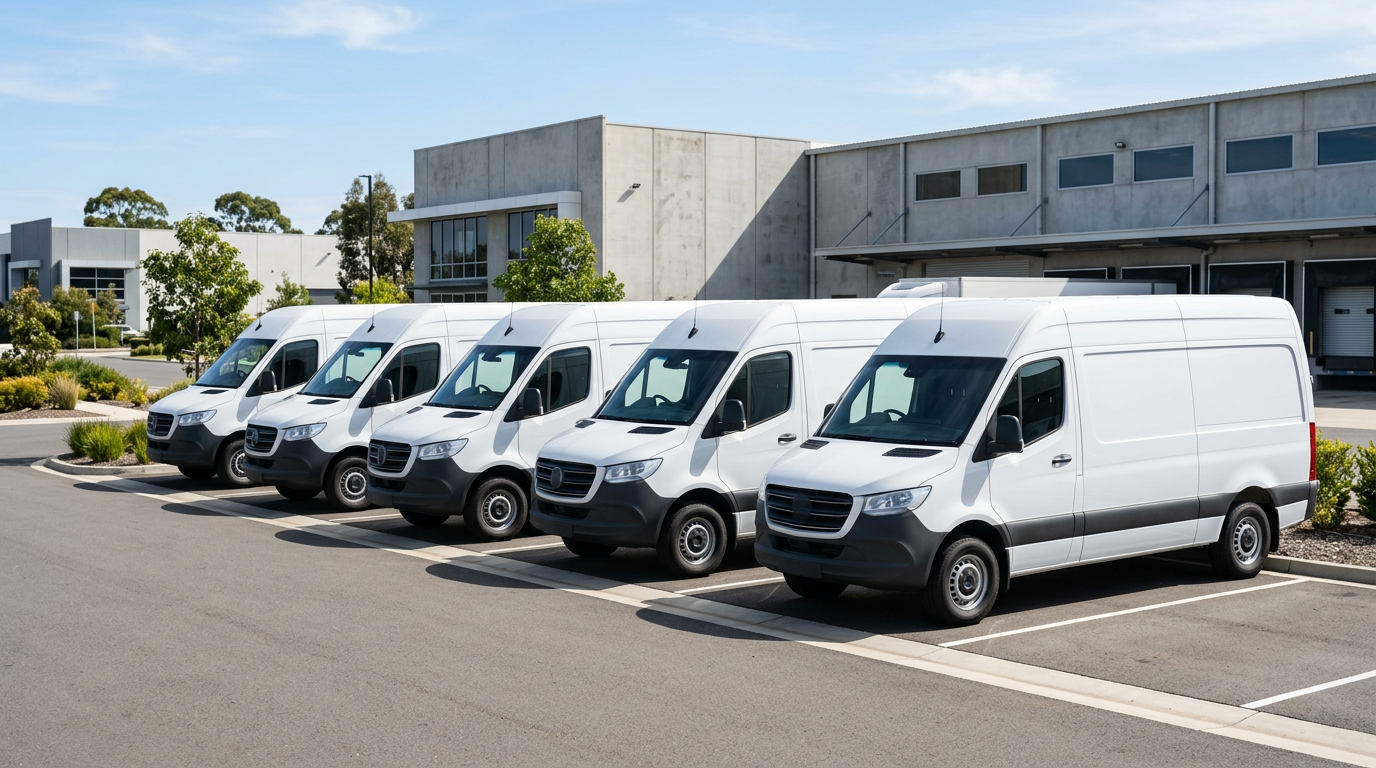
- Vans: Service vans, cargo vans, passenger vans, and utility vans used by technicians, installers, and mobile businesses
- Pickup trucks: Light-duty and heavy-duty pickups used by contractors, landscapers, and field service teams
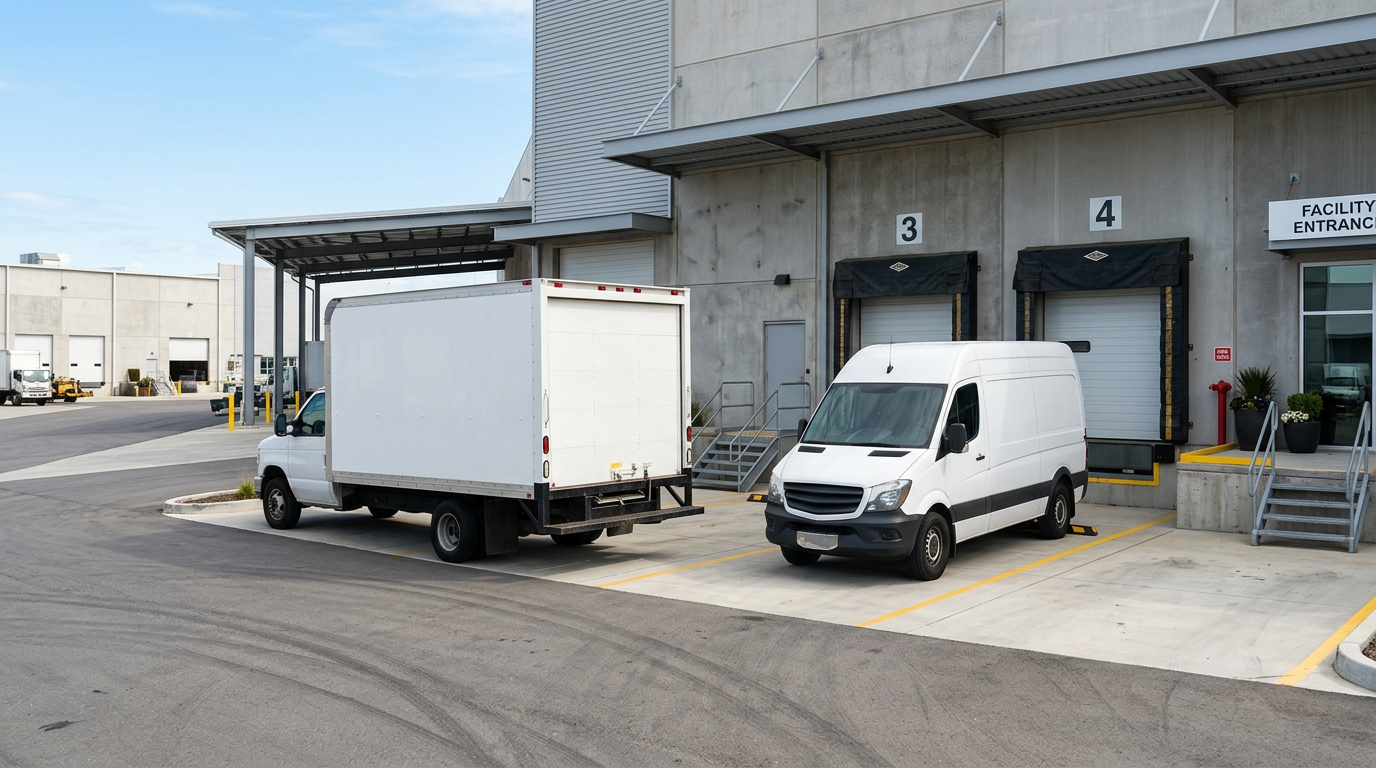
- Box trucks: Straight trucks used for deliveries, moving, or equipment transport
- Trucks with trailers: Work vehicles that pull equipment, machinery, or job-site materials
- Fleets: Multiple vehicles under one business policy, often used by service companies and multi-location operations
- Hotshot trucks: Pickup-and-trailer combinations used for time-sensitive freight and expedited loads
Different vehicles can create different insurance questions. A contractor’s pickup carrying tools may need coverage that considers business equipment and frequent site visits. A fleet of service vans may need consistent limits and driver management. A hotshot truck may need to address cargo exposures, mileage, interstate travel, and lender requirements. A box truck may require limits that satisfy shippers, warehouses, or commercial tenants.
In Houston, where businesses often travel between residential neighborhoods, industrial zones, and major highways, your vehicle usage matters as much as the vehicle itself. A truck that only travels locally may have a different risk profile than one that regularly runs routes to Beaumont, Dallas, San Antonio, or across state lines. Good coverage should reflect how the vehicle is truly used.
If your business uses trailers, rented vehicles, leased units, or employee-owned vehicles, your policy may need additional endorsements or related coverage. Those details are important because a claim involving a vehicle not listed or not properly covered can become complicated fast.
5) Why Houston businesses should review commercial auto now
Houston is a large, spread-out market with heavy commercial activity. Businesses often operate in multiple zip codes, from downtown and the Galleria to industrial districts, West Houston, Southeast Houston, and the outer suburbs. That means more driving, more loading and unloading, more public contact, and more chances for loss.
Weather is another major factor. Rain can make roads slick and visibility poor. Sudden street flooding can damage vehicles or interrupt routes. Hail can dent vehicles and impact work schedules. Strong winds and storm debris can cause costly losses. Commercial auto insurance is not just about collisions; it can also help with many of these non-collision events depending on the coverage you choose.
It is also important to consider the people behind the wheel. In many Houston businesses, different employees may drive the same vehicle. Some may be full-time drivers, while others use the vehicle only occasionally. Driver eligibility, driving records, license status, and vehicle assignment can all affect how a commercial policy should be structured. The right plan should help your business stay organized and compliant.
For Hispanic-owned businesses across Houston, from Gulfton and Alief to Pasadena, Southwest Houston, and the East End, bilingual guidance can make a real difference. Insurance terms, contract language, and regulatory requirements are easier to manage when you can discuss them clearly in the language you prefer.
6) How TOP Insurance helps Houston businesses
TOP Insurance LLC helps business owners understand commercial auto coverage without the confusion. We serve Houston with bilingual support, practical guidance, and access to multiple carriers so you can compare options instead of settling for a one-size-fits-all policy.
Here is what we focus on:
- Reviewing how your vehicles are actually used for business
- Helping identify whether you need commercial auto, hired and non-owned coverage, or fleet protection
- Checking contract, lender, and DOT/FMCSA requirements when applicable
- Explaining the difference between state minimums and higher limits often demanded in real-world business settings
- Comparing policies from multiple insurance carriers
- Serving customers in English and Spanish
- Providing free quotes so you can make an informed decision
We know Houston businesses move fast, and insurance should not slow you down. Whether you are launching a new service van, adding trucks to your fleet, renewing a contractor policy, or expanding into interstate hauling, we can help you review your options and choose coverage that fits your operation.
7) Frequently asked questions
Do I need commercial auto if I only have one vehicle?
Yes, if that vehicle is used for business, titled to the business, or driven mainly for work. A single vehicle can still create commercial exposure.
Is the Texas minimum enough for a business vehicle?
Not always. Texas minimum liability is 30/60/25, but many clients, lessors, and contracts require much higher limits. The right amount depends on your business and agreements.
What if employees drive their own cars for work?
Your business may need hired and non-owned auto coverage or other protection, depending on how those vehicles are used. Personal policies may not fully protect the business.
Does commercial auto cover trucking and interstate hauling?
It can, but trucking may involve additional federal requirements. Interstate for-hire trucking is regulated by the FMCSA, and minimums are often at least $750,000. Your coverage should match your authority and cargo type.
If you operate in Houston and use vehicles for business, it is smart to review your coverage before a claim, a contract dispute, or a compliance issue puts your business at risk. Commercial auto insurance is about more than meeting the minimum. It is about keeping your work moving, protecting your assets, and staying ready for the roads, weather, and business demands that come with operating in one of Texas’s busiest cities.

TOP Insurance LLC is a licensed independent insurance agency serving Georgia, Florida, South Carolina, Tennessee, Alabama, Indiana and Texas. Our bilingual team of licensed agents compares options from several carriers to find an alternative that fits your needs and budget. With offices in Duluth, Lawrenceville and Gainesville, GA, we specialize in auto, home, life, health and commercial insurance for the Hispanic community and all residents. Some carriers may offer options for applicants with an ITIN, consular ID, foreign passport or foreign license; required documentation and eligibility depend on each carrier.
Ready for your free quote?
Our bilingual agents help you compare options from multiple carriers to find an alternative that fits your needs and budget. Same-day response, no obligation.