Why can't I use my personal auto insurance for my business in Fort Wayne?
Personal auto policies generally exclude coverage for vehicles used primarily for business operations, carrying commercial tools, or transporting goods for a fee. If an accident occurs while performing work duties along routes like I-69 or I-469, a personal auto insurer may deny the claim. Commercial auto insurance is specifically designed to provide liability and physical damage protection for business-related risks.
- Insurance type
- commercial-auto
- Languages
- Spanish and English
- Documentation
- Options available depending on carrier and eligibility
- Free quote
- Yes, no obligation
- Carriers
- Several compared
- Phone
- 1-877-579-0587
Fast, free quotes with bilingual agents. No obligation.
If your business in Fort Wayne uses vehicles for work, you likely need commercial auto insurance—not a personal auto policy. This matters for contractors driving through downtown Fort Wayne, delivery businesses serving the West Central and Downtown areas, landscapers working across neighborhoods like Aboite and the south side, and tradespeople traveling between jobs near Jefferson Pointe, North Anthony, or along I-69 and I-469. If a vehicle is owned by the business, titled to the business, used to transport tools or products, or driven regularly for business purposes, personal auto coverage usually is not enough.
Fort Wayne’s economy is a mix of manufacturing, healthcare, logistics, construction, small businesses, restaurants, and service companies, so many local owners rely on vans, pickups, box trucks, trailers, and fleet vehicles every day. Add in Northeast Indiana weather—snow, ice, freezing rain, spring storms, and reduced visibility—and the risk of accidents rises throughout the year. Commercial auto insurance helps protect your business, your drivers, and the vehicles that keep your operation moving.
TOP Insurance LLC helps businesses in Fort Wayne compare options from multiple carriers, explain coverage in plain English and Spanish, and find policies that fit the way local companies actually use their vehicles. Whether you run one work truck or a growing fleet, the right coverage can help you stay compliant and keep your business on the road.
1) Who needs commercial auto insurance in Fort Wayne?
Commercial auto insurance is designed for vehicles used in business operations. In Fort Wayne, that includes many common situations:
- Contractors and construction businesses using pickups, cargo vans, or dump trucks
- Delivery companies transporting goods around Allen County and surrounding areas
- Landscapers and lawn care companies hauling equipment and trailers
- Plumbers, electricians, HVAC techs, and remodelers driving from job to job
- Real estate, sales, and service businesses with employees who drive company vehicles
- Restaurants, caterers, and food businesses making deliveries
- Any company that owns vehicles titled in the business name
Personal auto insurance is generally written for personal use, not for business operations. If a driver is using a vehicle for work and gets into an accident, a personal policy may deny coverage or limit protection if the vehicle is used commercially. That can leave the business responsible for repair costs, injury claims, legal expenses, and downtime.
Fort Wayne businesses should pay close attention if employees drive between job sites, carry tools or materials, make deliveries, or tow equipment. Even occasional business use can create coverage issues if the vehicle is not properly insured. If you are unsure whether your vehicle needs commercial coverage, the safest answer is to review how it is titled, who drives it, and what it is used for.
2) What commercial auto covers vs. personal auto
Commercial auto insurance is similar to personal auto in some ways, but it is built for business risks. A standard policy can include several important protections:
- Liability coverage: Helps pay for injuries or property damage you cause to others in an accident
- Collision coverage: Helps repair or replace your covered vehicle after a crash
- Comprehensive coverage: Helps with non-collision losses such as theft, vandalism, fire, hail, or animal damage
- Medical payments or similar coverage: Can help with medical expenses for covered occupants, depending on the policy
- Uninsured/underinsured motorist coverage: May help if another driver is at fault and does not have enough insurance
- Hired and non-owned auto coverage: Can help when employees use rented, leased, or personal vehicles for business purposes, if included
The big difference is how the policy is structured and what it is intended to cover. Commercial auto is written to handle business use, business-owned vehicles, and in some cases multiple drivers and multiple vehicles. It can also be paired with higher liability limits, which many businesses need because one serious accident can lead to expensive claims.
Personal auto policies are usually not designed for vehicles that haul tools, transport goods for sale, make regular deliveries, or operate as part of a company fleet. They may also be less flexible when your business adds drivers, expands routes, or grows from one vehicle to several. Commercial auto is more appropriate when the vehicle is part of the business itself.
In Fort Wayne, that distinction matters. A contractor driving daily on busy roads like Coliseum Boulevard, Jefferson Boulevard, or Lima Road faces very different exposure than someone commuting to an office. Winter driving conditions, stop-and-go traffic, and frequent travel between job sites all increase the need for a policy that matches real commercial use.
3) Higher limits required by contracts, lessors, and the DOT
Indiana law sets a minimum auto liability requirement of 25/50/25: $25,000 bodily injury per person, $50,000 bodily injury per accident, and $25,000 property damage. That is the state legal minimum, but for many Fort Wayne businesses, it is not enough to satisfy the people and organizations they work with.
Clients, general contractors, landlords, equipment lenders, vehicle lessors, and public agencies often require much higher limits before they will sign a contract or allow you on a job. It is common for business agreements to ask for limits such as a combined single limit of $500,000 to $1,000,000, depending on the work, the size of the project, and the exposure involved. These requirements are not the same as Indiana’s minimum—they are contract and risk-management requirements that can be much stricter.
If your business crosses state lines or operates in regulated transportation, federal rules may apply as well. Interstate for-hire trucking is federally regulated by the FMCSA, and those operations often require minimum liability limits of $750,000 or more, with some cargo and specialty operations needing even higher amounts. That means trucking companies, hotshot operators, and other commercial transport businesses must pay very close attention to federal compliance in addition to state law.
Fort Wayne sits at an important transportation crossroads with access to I-69, I-469, U.S. 30, and regional shipping routes, so many local businesses move goods beyond city limits. If your trucks, vans, or trailers travel across Indiana or into neighboring states, your insurance needs may be shaped by both the route and the type of work you do. A policy that only meets the minimum legal requirement may still be inadequate for a contract, a lease, or a federal filing.
Here is a practical way to think about limits:
- State minimum: meets Indiana’s legal auto requirement, but may not be enough for business use
- Contract-required limits: often much higher when working with clients, property owners, or general contractors
- DOT/FMCSA-related limits: required for some commercial transportation businesses, especially interstate for-hire trucking
Because coverage needs vary so much, it is smart to review your certificates, leases, and vendor contracts before renewing a policy. TOP Insurance can help you match your insurance to the real requirements of your business.
4) Vehicle types: vans, trucks, fleets, and hotshot operations
Commercial auto insurance can be tailored to many kinds of business vehicles in Fort Wayne. The type of vehicle and how it is used both matter.
Vans
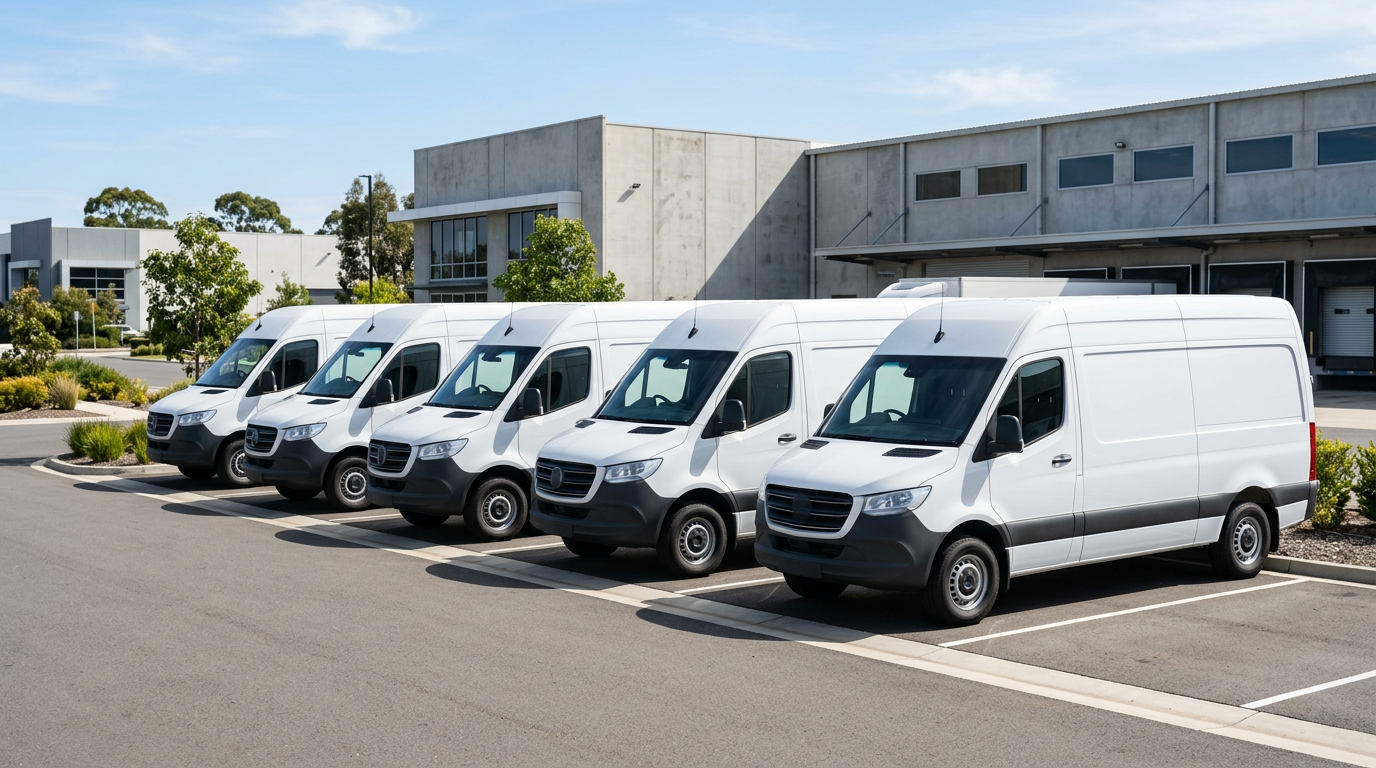
Cargo vans and passenger vans are common for electricians, plumbers, HVAC companies, medical transport, cleaning services, and delivery businesses. These vehicles often carry tools, equipment, packages, or crews. Since they are used for work, they usually need a commercial auto policy rather than personal coverage.
Trucks
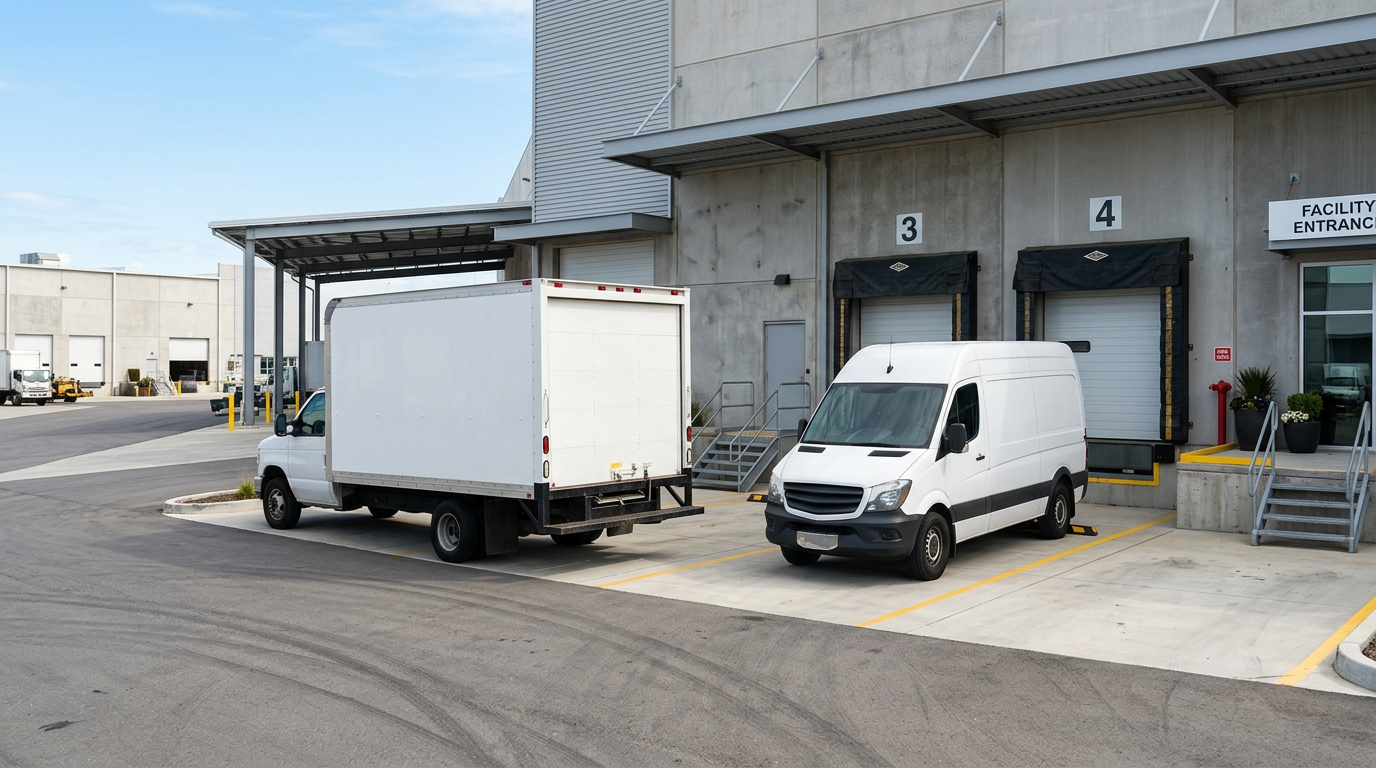
Pickup trucks, service trucks, flatbeds, dump trucks, stake beds, and box trucks are among the most common business vehicles in Indiana. Contractors and trades companies in Fort Wayne often rely on them to move workers and materials between jobs. If the truck is owned by the company or equipped for business use, commercial auto is usually the right fit.
Fleets
Once a business has multiple vehicles, fleet coverage can simplify management. A fleet policy can help cover several vehicles under one program, making it easier to track drivers, certificates, and renewals. This is useful for delivery operations, landscaping companies, construction firms, and service businesses with multiple crews spread across Fort Wayne and the surrounding area.
Hotshot and specialty hauling
Hotshot operators and other specialty haulers face unique risks because they often move time-sensitive freight, tow trailers, or travel longer distances under tight deadlines. These businesses may need higher liability limits, cargo-related coverage, and careful attention to federal and contract requirements. If your business does hotshot work from Fort Wayne to other parts of Indiana or out of state, your coverage should be reviewed specifically for that type of hauling.
Different vehicle categories can also be exposed differently to weather and road hazards. Winter roads, sudden lake-effect-style snow events, heavy rain, and potholes can all affect trucks and vans in northeast Indiana. Vehicles used on construction sites or in industrial areas may also face more wear and tear than a standard commuter car. That is why policy design matters just as much as the vehicle itself.
5) How TOP Insurance helps Fort Wayne businesses
TOP Insurance LLC works with business owners across Fort Wayne and the surrounding area to find commercial auto coverage that fits how they operate. Because we are an independent agency, we can compare multiple carriers instead of offering just one company’s price or policy structure. That gives local businesses more options when they need the right mix of coverage, limits, and cost control.
We also understand that Fort Wayne is home to a growing Hispanic community and many bilingual business owners, crews, and family-run companies. Clear communication matters when you are making decisions that affect your work vehicles, your employees, and your ability to keep contracts. Our bilingual support helps owners compare coverage and ask questions in English or Spanish.
When you work with TOP Insurance, we can help you:
- Determine whether your vehicle needs commercial auto instead of personal auto
- Review state minimums, contract requirements, and FMCSA-related needs
- Compare options for single vehicles, multiple drivers, and fleets
- Match coverage to trucks, vans, hotshot units, and specialty vehicles
- Request free quotes from multiple insurance carriers
- Help you prepare the documents needed for certificates of insurance
We know many Fort Wayne businesses operate on tight timelines. A contractor may need proof of insurance for a project near the Riverfront, a delivery company may need updated documents before a contract starts, or a trucking business may need limits aligned with regulatory requirements. Our job is to simplify the process and help you move forward with confidence.
Whether you are based near downtown, in the southwest growth areas, around Waynedale, or working throughout Allen County, TOP Insurance can help you find commercial auto coverage that fits local driving conditions and business demands.
6) FAQ
Do I need commercial auto insurance if I only use my truck for work sometimes?
If the vehicle is used for business, especially if it is owned by the business or carries tools, materials, or employees, commercial auto may be the safer choice. The exact answer depends on how often the vehicle is used for work and how it is titled.
Is Indiana’s minimum auto insurance enough for a business vehicle?
Not always. Indiana’s legal minimum is 25/50/25, but many contracts, lessors, and business partners require higher liability limits. Some companies need combined single limits of $500,000 to $1,000,000 or more.
What if my business operates trucks across state lines?
If you are involved in interstate for-hire trucking, FMCSA rules may apply and typically require liability limits of at least $750,000. Other transportation operations may also have contract or regulatory requirements that exceed state minimums.
Can TOP Insurance help me compare policies in Spanish?
Yes. TOP Insurance helps bilingual business owners and employees compare commercial auto options in English or Spanish and request free quotes from multiple carriers.
If your Fort Wayne business depends on vehicles, the right commercial auto insurance can help you protect your company, meet requirements, and keep your work moving. The sooner you review your coverage, the easier it is to avoid gaps before they become a problem.
Frequently Asked Questions
Why can't I use my personal auto insurance for my business in Fort Wayne?
Personal auto policies generally exclude coverage for vehicles used primarily for business operations, carrying commercial tools, or transporting goods for a fee. If an accident occurs while performing work duties along routes like I-69 or I-469, a personal auto insurer may deny the claim. Commercial auto insurance is specifically designed to provide liability and physical damage protection for business-related risks.
What types of vehicles can be covered under a commercial auto policy?
A commercial auto policy can cover a wide range of work vehicles, including pickup trucks, cargo vans, box trucks, utility trailers, and passenger cars. It can also insure full commercial fleets used by local tradespeople, delivery services, and contractors across Northeast Indiana. Coverage applies whether your business owns a single vehicle or operates multiple units throughout the city.
Does commercial auto insurance cover employee drivers?
Yes, commercial auto policies typically extend liability coverage to permissive drivers, including employees operating company-owned vehicles for business purposes. Businesses should ensure that all regular drivers are listed on the policy and maintain acceptable motor vehicle records. For additional protection when workers drive their own personal cars for company errands, employers can add hired and non-owned auto coverage.
How do seasonal weather hazards in Fort Wayne affect commercial vehicle coverage needs?
Winter conditions in Northeast Indiana, such as freezing rain, heavy snowfall, and icy roadways, significantly increase the risk of collisions and single-vehicle slide-offs. Maintaining comprehensive and collision coverages helps pay for physical repairs to your work vehicles following weather-related accidents. Adequate bodily injury and property damage liability limits also help shield your business assets if severe weather leads to a multi-vehicle crash.
What is the difference between commercial auto liability and physical damage coverage?
Commercial auto liability insurance pays for third-party bodily injuries and property damage if you or your employee is found at fault in an accident. Physical damage coverage, which includes collision and comprehensive coverage, pays to repair or replace your own business vehicle after a crash, theft, vandalism, or storm damage. Both coverage components are essential for maintaining full financial protection for your commercial vehicles.

TOP Insurance LLC is a licensed independent insurance agency serving Georgia, Florida, South Carolina, Tennessee, Alabama, Indiana and Texas. Our bilingual team of licensed agents compares options from several carriers to find an alternative that fits your needs and budget. With offices in Duluth, Lawrenceville and Gainesville, GA, we specialize in auto, home, life, health and commercial insurance for the Hispanic community and all residents. Some carriers may offer options for applicants with an ITIN, consular ID, foreign passport or foreign license; required documentation and eligibility depend on each carrier.
Ready for your free quote?
Our bilingual agents help you compare options from multiple carriers to find an alternative that fits your needs and budget. Same-day response, no obligation.