Why can't I just use a personal auto insurance policy for my business vehicle in Evansville?
Personal auto policies typically exclude coverage for business-related use, such as transporting work equipment, making deliveries, or hauling freight. If you or an employee are involved in an accident while working, your personal insurer can deny the claim. A commercial auto policy is specifically designed to provide liability and physical damage coverage for business operations.
- Insurance type
- commercial-auto
- Languages
- Spanish and English
- Documentation
- Options available depending on carrier and eligibility
- Free quote
- Yes, no obligation
- Carriers
- Several compared
- Phone
- 1-877-579-0587
Fast, free quotes with bilingual agents. No obligation.
If your business in Evansville uses vehicles for work, commercial auto insurance is not optional—it is a key part of protecting your company, your drivers, and the people you serve. In a city where local businesses move everything from HVAC equipment and landscaping tools to deliveries, service calls, and freight, the right policy can help keep a wreck, theft, or liability claim from turning into a major financial setback.
Evansville’s business community is diverse. You’ll find contractors working in neighborhoods like the East Side and near the West Side industrial corridors, retailers and restaurants serving customers downtown, healthcare and service providers making daily stops across the city, and trucking and logistics operations moving through the Evansville regional market and nearby interstate routes. Add in Southwest Indiana weather—summer storms, heavy rain, winter ice, fog near the river, and changing road conditions—and commercial vehicles face real risk every day.
At TOP Insurance LLC, we help businesses across Evansville and Southern Indiana find commercial auto coverage that fits how they actually operate. Whether you own one work van or manage a small fleet, we can help you compare options from multiple carriers and choose limits that align with your contracts, lenders, and business needs.
1) Who needs commercial auto insurance in Evansville?
Commercial auto insurance is for any vehicle used in connection with a business. In Indiana, business-owned vehicles should be insured as commercial vehicles, not personal vehicles. That includes cars, vans, pickup trucks, box trucks, trailers in many cases, and fleet vehicles used for business errands, deliveries, hauling, service calls, or transporting tools and equipment.
You likely need commercial auto if your business:
- Owns vehicles titled in the company’s name
- Uses vehicles to transport goods, tools, supplies, or passengers
- Has employees driving for work purposes
- Delivers products or performs on-site service
- Uses trucks, vans, or specialized work vehicles
- Operates across state lines or under a contract that requires specific liability limits
In Evansville, this often applies to contractors, plumbers, electricians, landscapers, caterers, mobile detailers, real estate teams, home health providers, wholesale distributors, moving companies, and local freight operators. Even if your vehicle is a personal pickup or SUV, once it is being used for business purposes, a personal auto policy may not be enough.
This matters because insurers look at how the vehicle is used, who drives it, where it travels, and what it carries. A service van stopping at job sites on the North Side has different exposure than a commuter car used only for errands. Commercial auto is designed for that difference.
2) What commercial auto covers vs. personal auto
Many business owners assume their personal auto policy will cover a work vehicle, but that can leave dangerous gaps. Personal policies are generally built for private use, not business operations. Commercial auto policies are written to handle business exposures such as employee drivers, equipment, frequent stops, and higher liability risks.
Commercial auto commonly helps cover:
- Liability for bodily injury and property damage if your driver causes an accident
- Collision damage to your insured vehicle after a covered crash
- Comprehensive losses such as theft, vandalism, fire, falling objects, or weather-related damage
- Medical payments or personal injury protection, depending on the policy and state rules
- Uninsured or underinsured motorist coverage, if selected
- Hired and non-owned auto exposure in some policies, for certain business use of rented or employee vehicles
Personal auto usually does not fit business use well because it may not fully address:
- Vehicles owned by the business
- Multiple employees driving one vehicle
- Tools, cargo, and equipment in transit
- Frequent business mileage or deliveries
- More complex liability exposures
For example, if a contractor based near Evansville’s commercial corridors keeps ladders, power tools, and materials in a work truck, a personal policy may not be designed for that use. Or if a restaurant uses a vehicle for catering deliveries across town, the company should not rely on a personal policy to do a commercial job.
Commercial auto is about the vehicle, but also about the way your business operates. A good policy should reflect real-world use, not a generic commuting pattern.
3) Higher limits required by contracts, lenders, DOT, and FMCSA
Indiana’s legal minimum liability requirement for a vehicle is 25/50/25: $25,000 bodily injury per person, $50,000 bodily injury per accident, and $25,000 property damage. But for many businesses, those minimums are only the starting point, not the finish line.
In real business life, contract language often requires much higher limits. Clients, general contractors, warehouse operators, landlords, and equipment lessors may require proof of stronger coverage before they allow your vehicle on-site or before they sign a service agreement. It is common to see requirements in the range of a $500,000 to $1,000,000 combined single limit, depending on the job and industry.
This is especially important for businesses working in and around Evansville’s logistics, industrial, construction, and service sectors. A single accident involving a loaded truck, a commercial van, or a delivery vehicle can create serious liability exposure. If your policy limit is too low, your business may be left paying the difference.
For trucking companies, the rules can be even stricter. Interstate for-hire trucking is federally regulated by the FMCSA, and many operations must carry at least $750,000 in liability coverage, with some hauling categories requiring more. If you haul freight across state lines from Evansville or through Indiana to other states, the policy needs to match your operating authority and cargo profile.
That is why it is important to review:
- Customer contract requirements
- Lease requirements for vehicles or trailers
- Warehouse and job-site insurance standards
- State and federal filing obligations
- Whether your operation is local, regional, or interstate
Choosing the right limit is not only about compliance. It is about protecting the future of your business. The right commercial auto policy should be built around your actual risk, your routes, and the expectations of the companies you do business with.
4) Vehicle types we can help insure
Businesses in Evansville use a wide range of vehicles, and the right policy depends on how each one is used. At TOP Insurance, we work with businesses that rely on everything from a single pickup to a growing fleet.
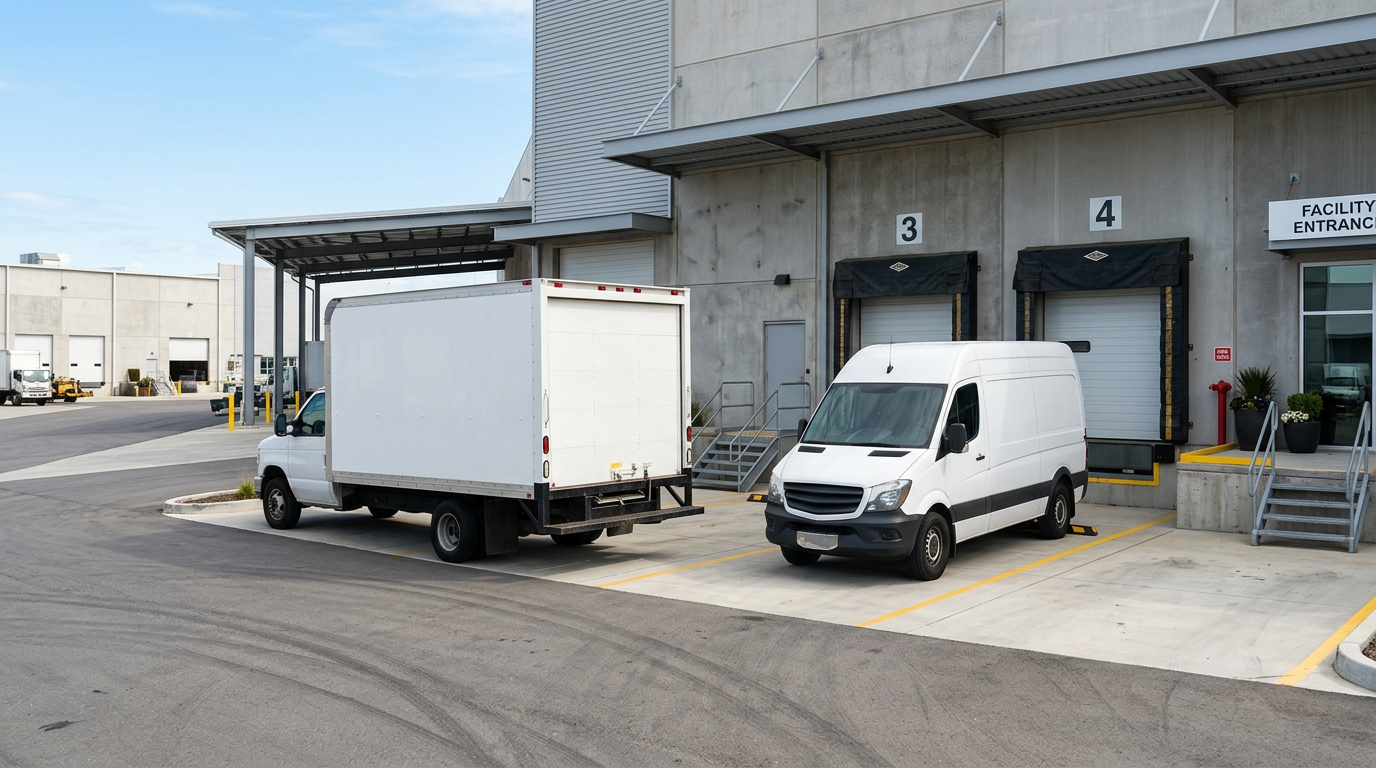
Vans
Work vans are common for contractors, service companies, pest control operators, delivery businesses, and mobile technicians. These vehicles often carry tools, parts, shelving, and employees. Because vans are heavily used and often parked at job sites or in public areas, they need coverage that reflects that exposure.
Trucks
Pickup trucks, dump trucks, box trucks, flatbeds, and utility trucks are a core part of many Evansville businesses. These vehicles may haul materials, tow equipment, or travel between job sites throughout Vanderburgh County and nearby areas. The more a truck is used for business, the more important it is to make sure the policy matches its actual purpose.
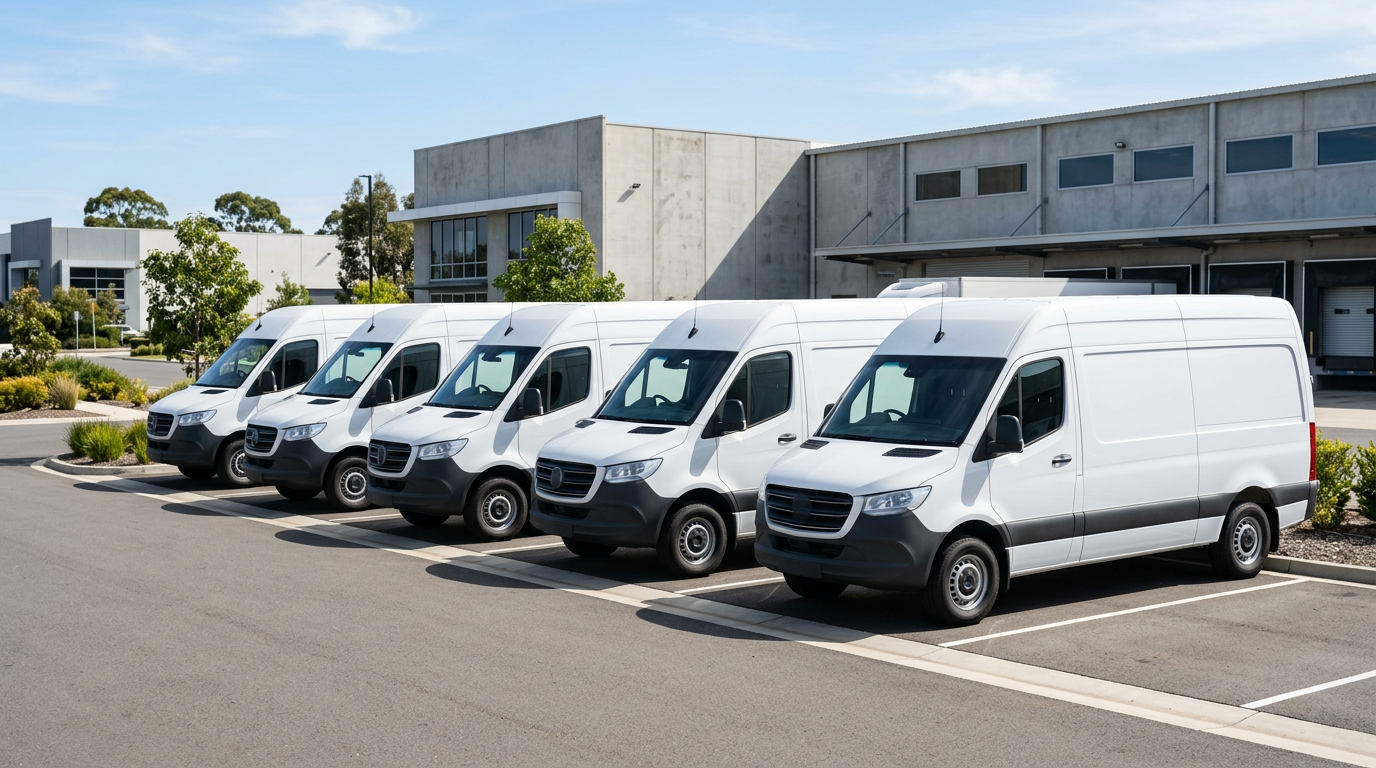
Fleets
Some businesses operate several vehicles at once. A fleet policy can simplify management by covering multiple units under one program, while still allowing each vehicle to be rated based on use, driver exposure, and value. Fleets are common for delivery businesses, contractors, service trades, and companies with multiple mobile employees.
Hotshot and specialty hauling
Hotshot operations and other time-sensitive hauling businesses have unique exposures because they often operate on tight schedules, across state lines, and with valuable loads. These businesses usually need careful attention to liability limits, cargo concerns, driver qualifications, and filing requirements. If your business is in the hotshot space, a standard personal or light-duty business policy is usually not enough.
Other business vehicle types we often review include cargo vans, box trucks, utility body trucks, service body pickups, dump trailers, and vehicles used for mobile businesses. If the vehicle supports your income, it deserves a policy built for business use.
5) How TOP Insurance helps Evansville businesses
TOP Insurance LLC is an independent agency, which means we can compare options from multiple carriers instead of offering just one company’s products. That matters for business owners because no two operations are the same. A local HVAC company in Evansville, a regional courier, and a small trucking business all need different protection.
We help by looking at the details that matter most:
- How the vehicle is used day to day
- Whether it is owned, leased, financed, or borrowed
- How many drivers are on the policy
- Whether the operation is local, regional, or interstate
- What contracts, landlords, or lenders require
- Whether you need a single vehicle policy or a fleet solution
We also understand the importance of bilingual service. Evansville has a growing Hispanic community and many hardworking Spanish-speaking business owners, contractors, and employees. Clear communication matters when you are reviewing limits, understanding exclusions, or responding to an insurance question after an accident. We are here to help in English and Spanish so you can make informed decisions with confidence.
If you need a free quote, we can walk you through the process and help you compare options without pressure. Our goal is to make commercial auto insurance easier to understand and easier to manage, whether you are renewing an existing policy or insuring a business vehicle for the first time.
6) FAQ
Do I need commercial auto if I only use my truck for occasional work?
If the vehicle is used for business, even occasionally, a commercial auto policy may be the safer and more appropriate option. The key question is whether the vehicle supports your business operations. If it does, ask for a review before relying on personal coverage.
What if my driver uses the vehicle for both personal and business reasons?
Mixed-use vehicles often need careful review. A commercial policy can be written to reflect business use while also addressing how the vehicle is driven outside of work. It is important to disclose the real use so there are no coverage surprises later.
Can I satisfy a contract with Indiana minimum liability limits?
Sometimes, but often not. Many contracts, landlords, and lessors require limits higher than Indiana’s legal minimum of 25/50/25. Some require a $500,000 to $1,000,000 combined single limit, and trucking operations may face FMCSA-related requirements.
Do you help with trucking and hotshot insurance?
Yes. If your operation involves interstate for-hire trucking or specialty hauling, we can help you review the coverage structure, liability requirements, and filing needs so your policy aligns with your business model.
If your business uses vehicles in Evansville, now is the right time to review your coverage. The right commercial auto policy can help protect your drivers, your contracts, and your company’s future.
Frequently Asked Questions
Why can't I just use a personal auto insurance policy for my business vehicle in Evansville?
Personal auto policies typically exclude coverage for business-related use, such as transporting work equipment, making deliveries, or hauling freight. If you or an employee are involved in an accident while working, your personal insurer can deny the claim. A commercial auto policy is specifically designed to provide liability and physical damage coverage for business operations.
What types of vehicles can be covered under an Evansville commercial auto policy?
Commercial auto insurance covers a wide range of vehicles, including passenger sedans, pickup trucks, cargo vans, and box trucks. It can also be tailored for specialized commercial equipment such as utility trailers, bucket trucks, and flatbeds. Coverage can be arranged whether you operate a single work vehicle or manage a larger fleet.
Does commercial auto insurance cover employees who drive their personal cars for work?
Standard commercial auto insurance covers vehicles owned or leased by the business, not personal vehicles driven by employees. To cover workers using their personal cars for tasks like business errands or sales calls, you need to add hired and non-owned auto (HNOA) coverage. This endorsement protects your business if an employee causes an accident while driving on company time.
How do seasonal road conditions in Southwest Indiana impact my business vehicle coverage needs?
Winter ice, river fog, and severe summer storms increase the risk of collisions, single-vehicle slide-offs, and weather-related damage. Having robust physical damage coverage—specifically comprehensive and collision coverage—ensures your vehicles can be repaired or replaced following weather hazards. Higher liability limits are also recommended to protect against costly multi-vehicle accidents during adverse driving conditions.
What is the difference between comprehensive and collision coverage on a commercial auto policy?
Collision coverage pays for damage to your company vehicle if it hits another vehicle or an object, or if it overturns. Comprehensive coverage handles damage caused by non-collision events, such as vandalism, theft, falling tree branches, windshield cracks, or severe weather. Both coverages carry a deductible that the business must pay before the insurer covers the remaining loss.

TOP Insurance LLC is a licensed independent insurance agency serving Georgia, Florida, South Carolina, Tennessee, Alabama, Indiana and Texas. Our bilingual team of licensed agents compares options from several carriers to find an alternative that fits your needs and budget. With offices in Duluth, Lawrenceville and Gainesville, GA, we specialize in auto, home, life, health and commercial insurance for the Hispanic community and all residents. Some carriers may offer options for applicants with an ITIN, consular ID, foreign passport or foreign license; required documentation and eligibility depend on each carrier.
Ready for your free quote?
Our bilingual agents help you compare options from multiple carriers to find an alternative that fits your needs and budget. Same-day response, no obligation.