Why can't I use my personal auto policy for business driving in Columbia?
Personal auto policies typically exclude coverage for vehicles used primarily for business tasks, such as transporting goods, hauling tools, or delivering products. If an accident occurs while performing work operations, your personal insurer may deny the claim. A commercial auto policy provides the specialized liability and physical damage protections required for business-use risks.
- Insurance type
- commercial-auto
- Languages
- Spanish and English
- Documentation
- Options available depending on carrier and eligibility
- Free quote
- Yes, no obligation
- Carriers
- Several compared
- Phone
- 1-877-579-0587
Fast, free quotes with bilingual agents. No obligation.
If your business in Columbia, South Carolina uses vehicles to make deliveries, transport tools, meet clients, move inventory, or travel between job sites, you likely need commercial auto insurance—not a personal auto policy. Columbia’s business community is diverse, with industries such as healthcare, construction, logistics, retail, restaurants, landscaping, and professional services all relying on work vehicles every day. From downtown Columbia and the Vista to Northeast Columbia, Harbison, Five Points, West Columbia, and nearby Lexington and Richland County areas, business driving can involve heavy traffic, quick stops, job-site parking, and frequent highway travel on I-20, I-26, I-77, and US-378.
Commercial auto insurance is designed for vehicles owned by a business or used primarily for business purposes. That includes company cars, service vans, pickup trucks, box trucks, cargo vans, dump trucks, flatbeds, and many types of fleet vehicles. It can also be important for owner-operators and contractors who use a vehicle to earn income, even if the vehicle is titled personally, because the way the vehicle is used matters as much as who owns it. In Columbia, this is especially relevant for trades, hospitality suppliers, home-service businesses, couriers, and any company that has employees behind the wheel.
South Carolina law requires motor vehicle liability coverage and uninsured motorist coverage at the state minimum limits of 25/50/25. That is the legal baseline, but it is often not enough for a business vehicle. Many clients, landlords, shippers, lessors, and government contracts require higher liability limits, and interstate for-hire trucking is federally regulated under FMCSA requirements that commonly call for at least $750,000 in liability coverage. If your business vehicle is not properly insured, a crash, lawsuit, or contract dispute could put your operations at risk.
1) Who needs commercial auto insurance in Columbia?
In Columbia, commercial auto insurance is a smart fit for any business that uses a vehicle for work-related tasks beyond ordinary commuting. A vehicle used to visit customers in Forest Acres, deliver parts across the Midlands, transport landscaping equipment, or carry employees and materials to a job site is typically a commercial exposure, not a personal one. Many business owners assume a personal auto policy is enough if they only use the vehicle occasionally for work, but that assumption can create a serious coverage gap.
You may need commercial auto insurance if your business:
- Owns or leases vehicles titled to the business
- Uses vans, pickups, box trucks, or service trucks for operations
- Has employees driving for business errands, deliveries, or site visits
- Transports tools, equipment, inventory, or hazardous materials
- Provides delivery, courier, towing, hauling, or transportation services
- Uses vehicles for sales calls, inspections, or mobile services
- Operates a fleet with multiple drivers
Columbia’s economy makes this especially important. Construction crews moving between project sites, HVAC and plumbing companies serving neighborhoods across the city, restaurants with delivery routes, retailers moving inventory, and healthcare-related businesses transporting supplies all depend on vehicles that face daily exposure. The urban traffic patterns around the University of South Carolina, the state government district, and the growing suburban corridors create more stop-and-go driving, more rear-end risk, and more opportunities for property damage.
Even if only one vehicle is involved, the policy should match the business use. Personal auto policies often exclude or limit business-related driving, especially for vehicles used to transport goods, carry tools, or make frequent stops for paid work. A commercial auto policy is built to address those risks more directly.
2) What commercial auto covers vs. personal auto
Commercial auto insurance and personal auto insurance both protect against vehicle-related accidents, but they are not interchangeable. A personal auto policy is designed for commuting, errands, family travel, and limited occasional business use. A commercial auto policy is designed for the vehicle’s work function and the higher liability profile that comes with business driving.
Commercial auto policies commonly help pay for:
- Bodily injury liability if your driver causes injury to others
- Property damage liability if your vehicle damages another vehicle, building, fence, or other property
- Uninsured motorist coverage when a covered driver is hit by an uninsured or underinsured motorist, as required in South Carolina at 25/50/25 limits
- Collision coverage for damage to your vehicle after an accident, regardless of fault, if selected
- Comprehensive coverage for losses from theft, vandalism, fire, hail, falling objects, and certain weather-related events, if selected
- Medical payments or similar protection, depending on the policy structure
- Coverage for hired and non-owned vehicles, when needed, for businesses that rent vehicles or have employees use personal vehicles for work
Personal auto policies, by contrast, may be limited in their ability to cover:
- Vehicles registered to a business
- Vehicles used primarily for commercial purposes
- Employee drivers operating on behalf of a company
- Deliveries, hauling, or transport of business property
- Specialized or heavier-duty work vehicles
In Columbia, where summer thunderstorms can bring sudden downpours and slick roads, and where winter ice events can briefly make travel hazardous, businesses need coverage that reflects daily realities, not just weekend driving. A company truck parked at a job site in Cayce, a delivery van navigating downtown curbside stops, or a fleet vehicle on I-20 can all face loss scenarios that a personal policy may not be designed to handle.
Another difference is how claims are handled. Commercial policies often account for more complex business operations, multiple drivers, and higher liability concerns. They can also be tailored to vehicle use, driver history, cargo exposure, and industry-specific needs. For businesses that rely on vehicles to generate revenue, the policy needs to protect both the vehicle and the continuity of the operation.
3) Higher limits required by contracts, lessors, DOT, and FMCSA
South Carolina’s legal minimum is 25/50/25, and uninsured motorist coverage is also mandatory at those same limits. However, minimum coverage is often only the starting point. In Columbia, many businesses discover that the real requirement comes from contracts, leases, lenders, clients, or transportation regulations.
It is common for contracts to require much higher liability limits than the state minimum. For example, commercial clients, property managers, general contractors, and logistics partners may require proof of a combined single limit in the range of $500,000 to $1,000,000 or similar protection levels. These requirements are not unusual because businesses want assurance that a serious accident will not leave them exposed to major claims.
Lessors and lenders may also require specific coverages before they allow a vehicle to be used in the business. If you lease a cargo van, box truck, or specialty work truck, the lease agreement may specify minimum liability, comprehensive, collision, and additional insured requirements. Failing to meet those terms can create problems with contract compliance and vehicle use.
For trucking companies and hotshot operators, federal rules add another layer. Interstate for-hire trucking is regulated by the FMCSA, and the minimum liability requirement is generally $750,000 or more depending on the operation and cargo. Some hauling activities may require even higher limits because of the type of freight, business arrangement, or contract terms. If your business crosses state lines out of Columbia or the Midlands, this is not optional—you need to be sure your policy matches federal and contractual obligations.
Higher limits are also a practical business decision. Columbia’s road network includes busy intersections, construction zones, school traffic, and major corridors that connect the city to the rest of the state. A serious crash can involve multiple vehicles, injuries, delivery disruptions, and legal claims. The right limits help protect the business from a single incident turning into a financial crisis.
Here are common situations where higher limits are often needed:
- Construction and contracting jobs with general contractor requirements
- Commercial leases that specify insurance thresholds
- Fleet accounts with multiple vehicles and drivers
- Delivery, courier, and last-mile logistics contracts
- Interstate trucking under FMCSA regulations
- Clients that require certificates of insurance before work begins
If you are unsure whether your current policy meets contract or DOT expectations, it is better to review it before a claim or audit creates a problem. Many businesses in Columbia only learn about a coverage shortfall after a customer asks for a certificate or a shipper rejects their insurance.
4) Vehicle types we insure: vans, trucks, fleets, and hotshot
Commercial auto insurance can be tailored to many kinds of business vehicles in Columbia. The right policy depends on what the vehicle does, how far it travels, who drives it, and what it carries. A small two-vehicle business and a larger fleet both need protection, but the structure of the policy may look different.
Vans and service vehicles
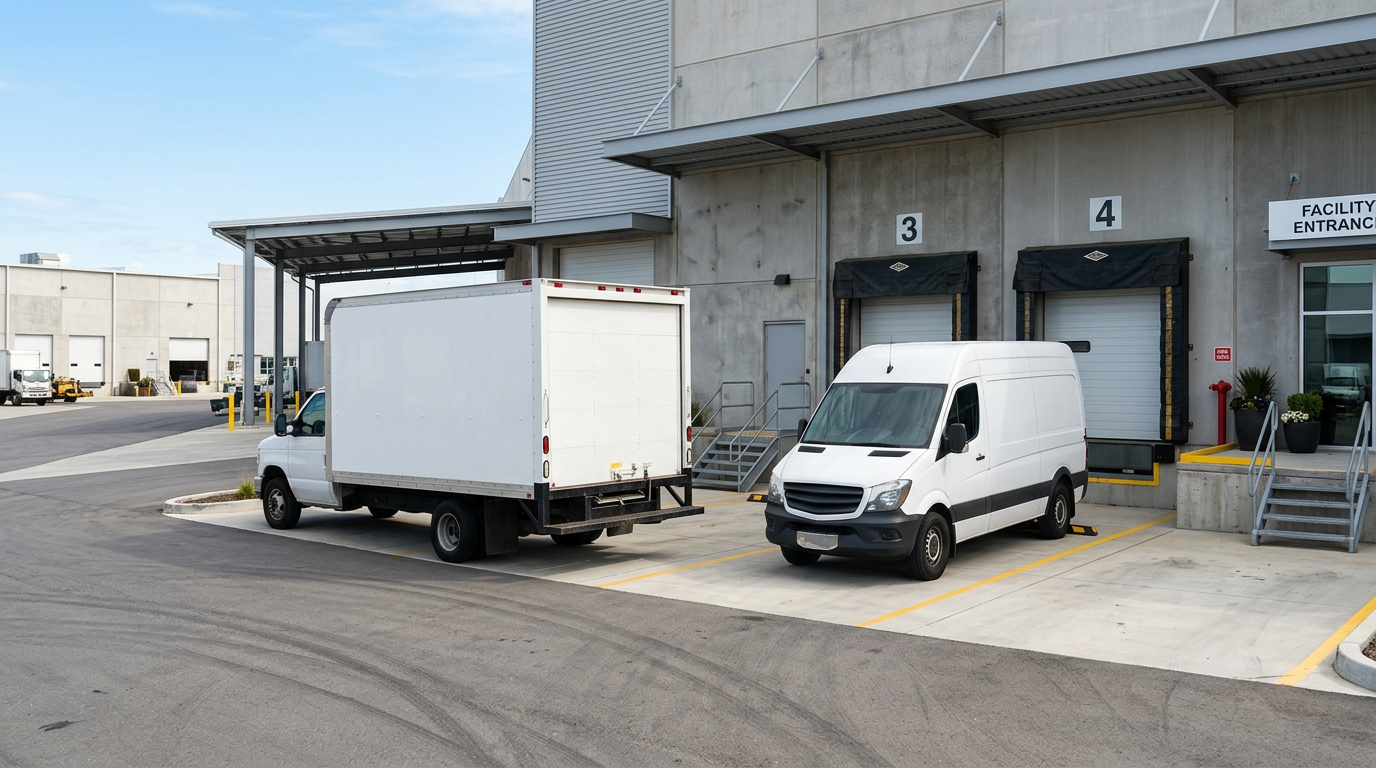
Cargo vans, passenger vans, and service vans are common for plumbers, electricians, HVAC companies, delivery businesses, mobile groomers, and field service providers. These vehicles often carry tools, shelving, inventory, and branded wraps, which increases both the value at risk and the need for proper liability coverage.
Pickup trucks and light-duty trucks
Pickups are widely used throughout Columbia for landscaping, construction, property maintenance, and contracting. Even a single pickup can need commercial auto if it is used for hauling equipment or visiting multiple job sites each day. The policy can be shaped around whether the truck is towing trailers, transporting materials, or serving as a mobile workspace.
Box trucks and medium-duty trucks
Box trucks, flatbeds, dump trucks, and other medium-duty vehicles usually require stronger commercial protection because of their size, cargo, and risk profile. These vehicles are often essential for moving building materials, appliances, furniture, and equipment across the Columbia metro area. Their use on highways and in dense commercial districts makes correct liability and physical damage coverage especially important.
Fleets
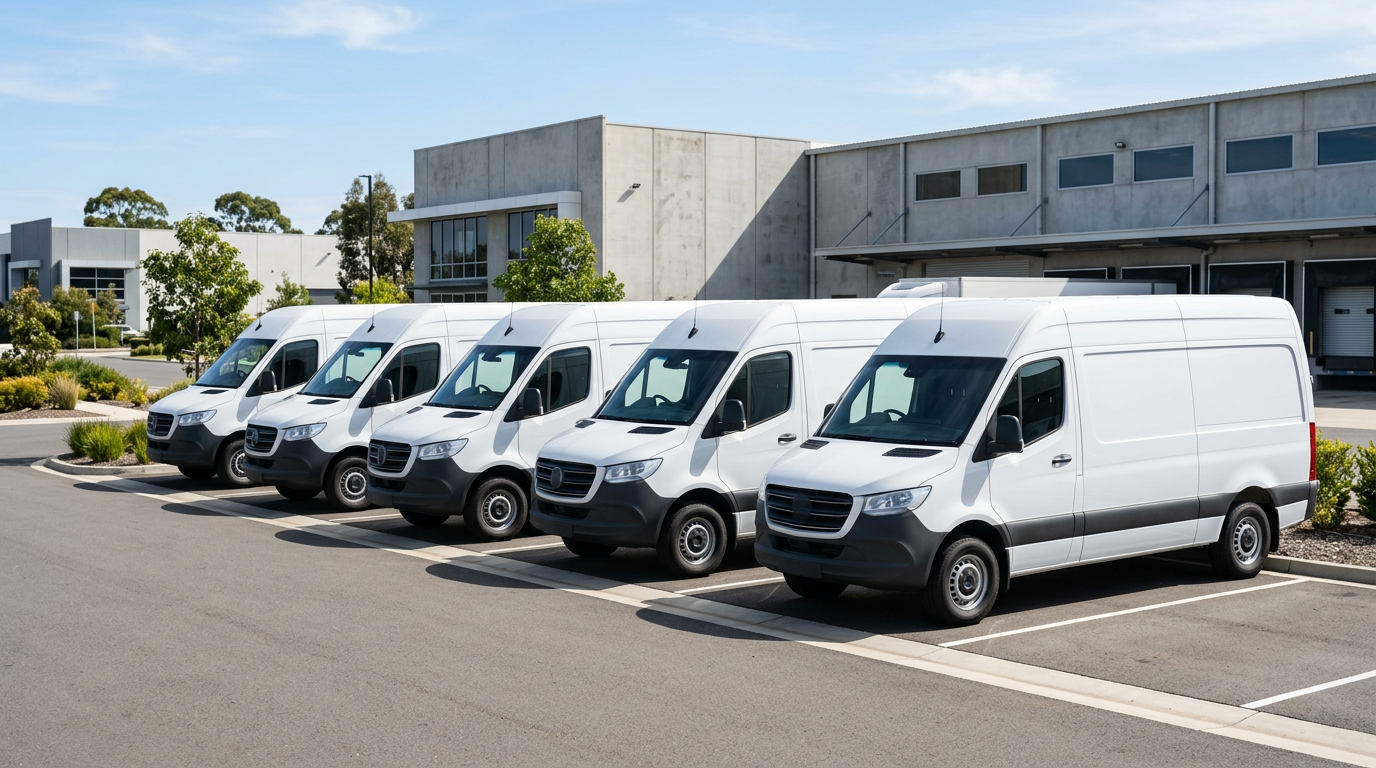
Businesses with several vehicles need a policy that can scale. Fleet coverage may simplify administration, help standardize limits, and make it easier to manage multiple drivers and vehicle classes. Columbia businesses in delivery, maintenance, food service, landscaping, and field operations often benefit from a fleet approach because vehicles are central to day-to-day service.
Hotshot and hauling operations
Hotshot trucking and expedited hauling can involve time-sensitive deliveries, long highway miles, and a business model that depends on reliability. Because these vehicles often move across county and state lines, the insurance needs are more complex. If your hotshot operation crosses state borders, FMCSA requirements may apply, and your coverage must be strong enough to satisfy brokers, shippers, and regulatory rules.
Columbia’s location makes it a practical base for regional work. Businesses often travel toward Charleston, Greenville, Charlotte, Augusta, or the coast, which means more miles, more road exposure, and a greater need to align coverage with the actual operation. Whether your vehicle stays mostly in the city or runs across the Southeast, the policy should reflect the way you truly use it.
5) How TOP Insurance helps Columbia businesses
TOP Insurance LLC helps business owners in Columbia find commercial auto coverage that fits their vehicle, industry, and contract requirements. Because TOP Insurance is an independent agency, the team can compare options from multiple carriers rather than pushing only one company’s product. That flexibility matters when your business uses different vehicle types, has multiple drivers, or needs higher limits for a contract or permit.
TOP Insurance also understands the importance of bilingual service. Columbia has a growing Hispanic community, and many local business owners, contractors, and drivers prefer to discuss insurance in Spanish. Clear communication matters when you are reviewing exclusions, driver lists, VINs, endorsements, and certificate requirements. The goal is not just to sell a policy, but to make sure you understand what is covered and what is not.
Working with TOP Insurance can help with:
- Commercial auto policies for business-owned and business-used vehicles
- Coverage comparisons from multiple carriers
- Support for higher-limit requirements from clients or lessors
- Certificates of insurance for contracts and job sites
- Policies for vans, trucks, fleets, and hotshot operations
- Bilingual guidance in English and Spanish
Businesses in Columbia often need quick, accurate answers. A contractor may need proof of insurance before starting a project near downtown. A delivery business may need a policy review before adding a new van. A trucking operator may need help checking whether current limits meet FMCSA-related expectations. TOP Insurance can help evaluate the vehicle use, gather the right details, and request quotes that match the business reality.
If your company has grown, added drivers, expanded into neighboring communities, or changed how vehicles are used, a policy review is a wise next step. Insurance should keep pace with your operation, not lag behind it.
6) FAQ
Do I need commercial auto if I only use my truck for work sometimes?
Maybe. If the truck is used primarily for business, carries tools or equipment, or is registered to the business, commercial auto is often the right choice. Even occasional business use can create a coverage issue if the personal auto policy does not allow it. A review of how the vehicle is actually used is the best way to determine the right policy.
What is the South Carolina minimum requirement for commercial vehicles?
In South Carolina, the legal minimum liability limits are 25/50/25, and uninsured motorist coverage is also mandatory at the same limits. But many businesses need much higher limits because of contracts, lease terms, or transportation regulations. Minimum coverage is the baseline, not necessarily enough for your business.
Can I insure a fleet of work vehicles under one policy?
Yes. Many Columbia businesses insure multiple vehicles under a commercial auto or fleet policy. This is common for companies with service vans, delivery trucks, pickups, and other work vehicles that are driven by more than one employee. A fleet structure can make administration simpler and help keep coverage consistent.
Does TOP Insurance help Spanish-speaking business owners?
Yes. TOP Insurance provides bilingual support in English and Spanish, which can be especially helpful for Columbia business owners, contractors, and drivers who prefer to review coverage in Spanish. That can make it easier to understand liability limits, exclusions, and required certificates.
If your business uses a vehicle in Columbia, the safest approach is to verify that your policy matches the real-world risks, the state’s minimum requirements, and any contract or federal obligations. Commercial auto insurance is not just about protecting a truck or van—it is about protecting the business that depends on it.
Frequently Asked Questions
Why can't I use my personal auto policy for business driving in Columbia?
Personal auto policies typically exclude coverage for vehicles used primarily for business tasks, such as transporting goods, hauling tools, or delivering products. If an accident occurs while performing work operations, your personal insurer may deny the claim. A commercial auto policy provides the specialized liability and physical damage protections required for business-use risks.
Are personal vehicles used for business covered under commercial auto insurance?
If you or your employees drive personally owned vehicles for business errands or client visits, standard commercial auto policies may not automatically cover them. Businesses can add hired and non-owned auto (HNOA) liability coverage to extend protection for these situations. This coverage shields the business if a personal vehicle causes an accident during work-related duties.
What are the minimum commercial auto insurance requirements in South Carolina?
South Carolina law mandates that commercial vehicles carry minimum liability limits for bodily injury per person, total bodily injury per accident, and property damage liability. Additionally, the state requires uninsured motorist coverage to protect against drivers without insurance. Many businesses choose to carry higher policy limits to adequately protect their assets against severe accident claims.
What key coverages are included in a standard commercial auto policy?
A typical commercial auto insurance policy includes commercial auto liability coverage for third-party bodily injury and property damage expenses. It also commonly features physical damage coverage, which consists of collision coverage for crash impacts and comprehensive coverage for non-collision perils like theft, vandalism, and weather damage. Optional endorsements, such as roadside assistance or medical payments, can also be included.
Does commercial auto insurance cover tools and equipment left inside my work vehicle?
Standard commercial auto insurance covers the vehicle itself, but it does not protect loose tools, cargo, or equipment transported inside. To protect these business items from theft or damage while in transit, you need additional coverage such as inland marine or an installation floater. Relying solely on comprehensive auto coverage leaves your portable business property unprotected.

TOP Insurance LLC is a licensed independent insurance agency serving Georgia, Florida, South Carolina, Tennessee, Alabama, Indiana and Texas. Our bilingual team of licensed agents compares options from several carriers to find an alternative that fits your needs and budget. With offices in Duluth, Lawrenceville and Gainesville, GA, we specialize in auto, home, life, health and commercial insurance for the Hispanic community and all residents. Some carriers may offer options for applicants with an ITIN, consular ID, foreign passport or foreign license; required documentation and eligibility depend on each carrier.
Ready for your free quote?
Our bilingual agents help you compare options from multiple carriers to find an alternative that fits your needs and budget. Same-day response, no obligation.