Is separate insurance legally required for a travel trailer?
In many states, travel trailers are not legally required to carry separate liability insurance because the towing vehicle's liability policy extends to the trailer while it is hitched. However, this extended coverage only applies to third-party injuries and property damage you cause, not damage to your own trailer. If you finance or lease the trailer, your lender will typically require you to purchase comprehensive and collision coverage.
- Insurance type
- Tips & Advice
- Languages
- Spanish and English
- Documentation
- Options available depending on carrier and eligibility
- Free quote
- Yes, no obligation
- Carriers
- Several compared
- Phone
- 1-877-579-0587
Fast, free quotes with bilingual agents. No obligation.
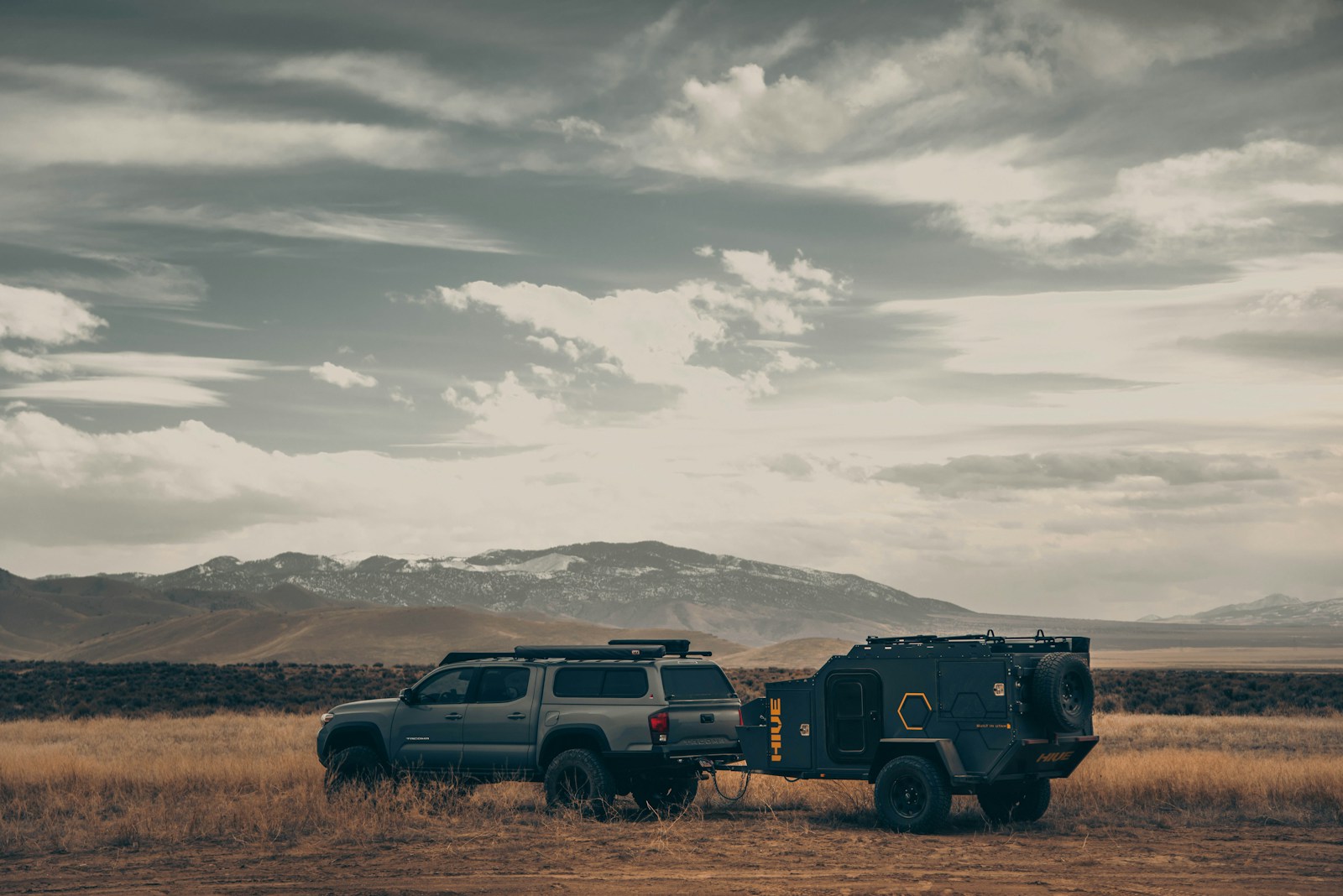
Travel trailers and towed RVs offer the freedom to explore the open road and enjoy the outdoors. However, owning a travel trailer comes with unique risks and responsibilities. RV insurance can help financially protect your investment and provide peace of mind, whether you’re a seasoned traveler or considering your first trailer purchase.
Insurance Requirements for Towed Trailers
In Georgia, liability insurance is required for motor vehicles, but travel trailers themselves are not required to carry separate liability coverage since they are towed by an insured vehicle. However, this coverage only extends to damage or injuries you may cause to others while towing. It does not protect your trailer from physical damage, theft, or loss of personal belongings inside.
Coverage Options for Travel Trailers
To financially protect your towed RV, consider these insurance options:
- Comprehensive and collision coverage may help pay for repairs or replacement if your trailer is damaged by accidents, weather, fire, theft, or vandalism.
- Personal belongings coverage may cover items stored inside your trailer, such as camping gear, electronics, and clothing.
- Emergency expense coverage may cover costs like lodging or transportation if your trailer becomes unusable during a trip.
- Roadside assistance may help with towing, flat tires, or battery issues while traveling.
- Accessory coverage may cover attached items like awnings or bike racks.
Important Considerations for Trailer Owners
- State laws—While Georgia does not require separate trailer insurance, lenders may if you finance your trailer.
- Gaps in auto or home Insurance—Standard auto or homeowners policies often do not cover damage to your trailer while in use or on the road.
- Usage—If you use your trailer as a temporary residence, consider vacation liability coverage for added protection while parked.
Contact Us
The team at Top Insurance LLC in Duluth or Lawrenceville, Georgia can help you review your needs and find the right policy for your travel trailer, ensuring you’re protected wherever your adventures take you.
Contact us today to discuss your coverage options with our knowledgeable team.
This blog is intended for informational and educational use only. It is not exhaustive and should not be construed as legal advice. Please contact your insurance professional for further information.
Frequently Asked Questions
Is separate insurance legally required for a travel trailer?
In many states, travel trailers are not legally required to carry separate liability insurance because the towing vehicle's liability policy extends to the trailer while it is hitched. However, this extended coverage only applies to third-party injuries and property damage you cause, not damage to your own trailer. If you finance or lease the trailer, your lender will typically require you to purchase comprehensive and collision coverage.
Does my auto insurance policy cover physical damage to my towed trailer?
No, standard auto liability insurance generally does not cover physical damage to the towed trailer itself. To protect your travel trailer against repair costs or replacement from accidents, rollover, theft, or severe weather, you must purchase dedicated comprehensive and collision coverage. Relying solely on your tow vehicle's policy leaves your RV investment unprotected.
Are personal belongings inside the travel trailer automatically covered?
Items stored inside your trailer are generally not covered by basic auto or trailer collision policies. You will need personal belongings coverage or a specialized RV policy endorsement to protect personal property like camping equipment, electronics, and clothing from loss or theft. Depending on your situation, your homeowners or renters insurance policy may provide limited off-premises coverage for these items.
What is emergency expense coverage for an RV?
Emergency expense coverage helps pay for temporary living costs if your travel trailer is disabled due to a covered loss while you are traveling far from home. This can include expenses such as hotel accommodations, emergency transportation, or meals while your trailer is being repaired. It is an optional add-on that provides financial relief during unexpected travel disruptions.
What does comprehensive coverage pay for on a travel trailer?
Comprehensive coverage pays for repair or replacement costs resulting from non-collision events out of your control. This includes damage from severe weather, hail, fallen trees, fire, vandalism, animal strikes, or total theft of the trailer. It is an essential safeguard for protecting your trailer both while on the road and when parked or in storage.

TOP Insurance LLC is a licensed independent insurance agency serving Georgia, Florida, South Carolina, Tennessee, Alabama, Indiana and Texas. Our bilingual team of licensed agents compares options from several carriers to find an alternative that fits your needs and budget. With offices in Duluth, Lawrenceville and Gainesville, GA, we specialize in auto, home, life, health and commercial insurance for the Hispanic community and all residents. Some carriers may offer options for applicants with an ITIN, consular ID, foreign passport or foreign license; required documentation and eligibility depend on each carrier.
Ready for your free quote?
Our bilingual agents help you compare options from multiple carriers to find an alternative that fits your needs and budget. Same-day response, no obligation.