What does auto liability insurance cover?
Auto liability insurance covers medical expenses, lost wages, and legal fees for other people if you cause an accident, as well as repairs to their damaged property. It helps shield your personal assets from lawsuits resulting from an at-fault crash up to your selected policy limits. It does not pay for your own injuries or damage to your vehicle.
- Insurance type
- Auto Insurance
- Languages
- Spanish and English
- Documentation
- Options available depending on carrier and eligibility
- Free quote
- Yes, no obligation
- Carriers
- Several compared
- Phone
- 1-877-579-0587
Fast, free quotes with bilingual agents. No obligation.
Liability Insurance is the part of your auto insurance policy that helps pay for injuries and property damage you cause to others if you’re responsible for an accident. It protects your financial future by covering claims up to your policy limits, but it generally does not pay for damage to your own vehicle. In most U.S. states, carrying Liability Insurance is required by law.
What You’ll Learn in This Guide
✔ What Liability Insurance is
✔ Why it’s required in most states
✔ What it covers
✔ What it doesn’t cover
✔ The difference between Bodily Injury and Property Damage Liability
✔ How liability limits work
✔ How much Liability Insurance you should carry
✔ Common mistakes to avoid
What Is Liability Insurance?
If you own a vehicle in the United States, Liability Insurance is one of the most important types of auto insurance you’ll ever purchase. Yet many drivers pay for this coverage every month without fully understanding what it actually protects.
Simply put, Liability Insurance protects you financially if you cause an accident that injures another person or damages someone else’s property. Instead of paying these expenses out of your own pocket, your insurance company helps cover the costs up to the limits of your policy.
It’s important to remember that Liability Insurance is designed to protect other people, not your own vehicle.
For that reason, it’s considered the foundation of every auto insurance policy and is legally required in most states.
Why Is Liability Insurance Required?
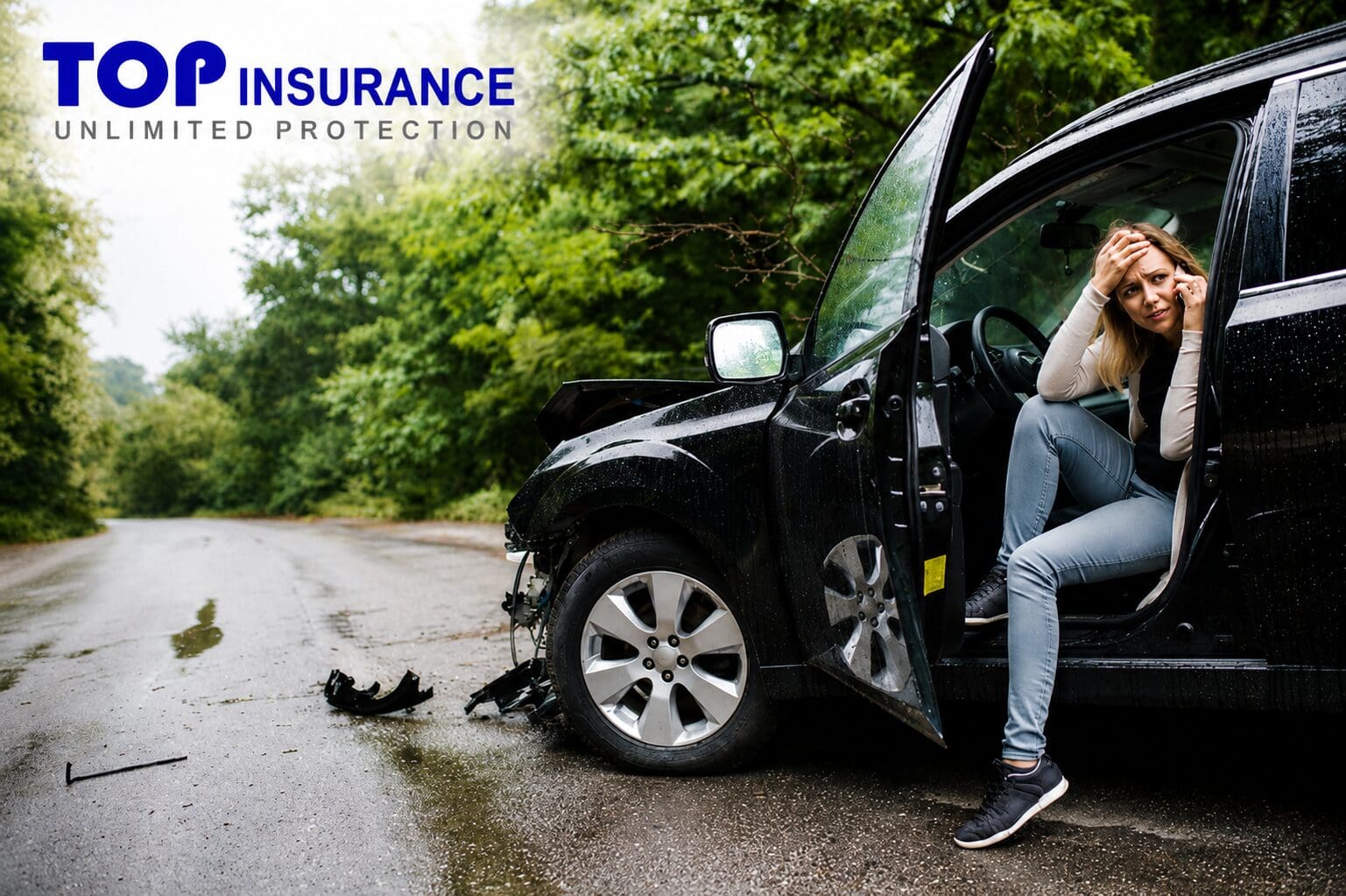
Imagine you’re driving home from work and become distracted for just a second.
You accidentally rear-end another vehicle.
The other driver is injured.
Their vehicle suffers major damage.
You also damage a traffic sign and a nearby fence.
Without Liability Insurance, you could be personally responsible for paying thousands—or even hundreds of thousands—of dollars in medical bills, property damage, legal expenses, and settlements.
That’s why nearly every state requires drivers to carry at least a minimum amount of Liability Insurance before legally operating a vehicle.
What Does Liability Insurance Cover?
Liability Insurance is divided into two primary coverages.
Bodily Injury Liability
Bodily Injury Liability helps pay for injuries you cause to other people in an accident where you’re found at fault.
Depending on your policy limits, this coverage may help pay for:
- Emergency medical treatment
- Hospital bills
- Surgeries
- Rehabilitation
- Lost wages
- Legal defense costs
- Court judgments
- Settlements
Example
You’re involved in an accident and the other driver breaks their leg.
Medical expenses total $45,000.
If your Bodily Injury Liability limit is high enough, your insurance company may pay those covered expenses up to your policy limit.
Property Damage Liability
Property Damage Liability helps pay for damage you cause to someone else’s property.
This can include:
- Another person’s vehicle
- Buildings
- Fences
- Garages
- Mailboxes
- Utility poles
- Traffic signs
- Business property
Example
You accidentally lose control of your vehicle and hit two parked cars before crashing into a storefront.
Property Damage Liability may help cover those repair costs, up to the limit listed on your policy.
What Doesn’t Liability Insurance Cover?
One of the biggest misconceptions is that Liability Insurance covers everything.
It doesn’t.
Generally, Liability Insurance does not cover:
- Damage to your own vehicle
- Theft
- Vandalism
- Fire
- Flooding
- Hail damage
- Falling objects
- Animal collisions
- Mechanical breakdowns
- Your own medical expenses
To protect against those risks, you may need additional coverages such as:
- Collision Coverage
- Comprehensive Coverage
- Medical Payments (MedPay)
- Personal Injury Protection (PIP), where available
- Uninsured/Underinsured Motorist Coverage, depending on your state and policy
Understanding Liability Limits
When you receive an insurance quote, you may see numbers like:
25/50/25
50/100/50
100/300/100
These numbers represent your Liability Insurance limits.
For example:
25
Up to $25,000 for injuries to one person.
50
Up to $50,000 total for all injured people in one accident.
25
Up to $25,000 for property damage.
These limits determine the maximum amount your insurance company may pay for covered claims.
Is the Minimum Coverage Enough?
For some drivers, state minimum coverage satisfies legal requirements.
However, legal minimums aren’t always enough to protect your financial future.
Vehicle values have increased significantly, medical expenses continue to rise, and even a relatively minor accident can exceed minimum liability limits.
If damages exceed your coverage, you may be responsible for paying the remaining costs yourself.
For many drivers, increasing liability limits is an affordable way to gain significantly more financial protection.
How Much Liability Insurance Do You Need?
There’s no one-size-fits-all answer.
The right amount depends on several factors, including:
- Your assets
- Your income
- How often you drive
- The value of your vehicles
- Your household drivers
- Your overall financial goals
Speaking with a licensed insurance professional can help you choose limits that match your individual situation.
Common Mistakes Drivers Make
Choosing the cheapest policy without reviewing coverage.
Saving a few dollars today could cost thousands after an accident.
Assuming Full Coverage means “everything is covered.”
No insurance policy covers every possible situation.
Keeping state minimum limits for years without reviewing them.
Your insurance should evolve as your financial situation changes.
Never asking questions.
Understanding your coverage before an accident is always easier than learning about it afterward.
Frequently Asked Questions
Does Liability Insurance cover my own car?
No. Liability Insurance generally pays for damage and injuries you cause to others, not your own vehicle.
Is Liability Insurance required?
Yes. Most U.S. states require drivers to carry minimum Liability Insurance, although requirements vary by state.
Can I drive with Liability Insurance only?
Yes, if it meets your state’s legal requirements. However, your own vehicle will not be protected against many types of damage.
Does Liability Insurance cover theft?
No.
Does Liability Insurance cover hail damage?
No.
Does Liability Insurance cover fire?
No.
Can I increase my liability limits?
Yes. Most insurance companies allow you to purchase higher liability limits for additional protection.
What’s the difference between Liability Insurance and Full Coverage?
Liability Insurance protects others if you’re at fault. Full Coverage typically includes Liability Insurance plus additional protections such as Collision and Comprehensive Coverage.
Final Thoughts
Liability Insurance is much more than a legal requirement—it’s one of the most important financial protections every driver can have.
Understanding what it covers, what it doesn’t cover, and how liability limits work can help you make smarter insurance decisions and better protect your future.
Instead of focusing only on finding the cheapest policy, consider whether your current coverage would truly protect you if a serious accident happened tomorrow.
Need Help Choosing the Right Liability Coverage?
At Top Insurance LLC, we help drivers compare multiple insurance companies to find coverage that fits their needs and budget.
Whether you’re purchasing your first policy, reviewing your current limits, or looking for better rates, our licensed insurance professionals are here to help.
📞 Call us: +1 (877) 579-0587
📧 Email: [email protected]
🌐 Get a Free Quote: https://auto.topinsus.com
Explore your coverage options
Frequently Asked Questions
What does auto liability insurance cover?
Auto liability insurance covers medical expenses, lost wages, and legal fees for other people if you cause an accident, as well as repairs to their damaged property. It helps shield your personal assets from lawsuits resulting from an at-fault crash up to your selected policy limits. It does not pay for your own injuries or damage to your vehicle.
What is the difference between bodily injury and property damage liability?
Bodily injury liability pays for the medical costs, rehabilitation, and legal defense associated with injuries you cause to other drivers, passengers, or pedestrians. Property damage liability covers the costs to repair or replace vehicles and other structures, such as fences or guardrails, that you damage in an at-fault accident. Both components are required parts of standard liability coverage in most states.
Does liability insurance cover damage to my own car?
No, liability insurance never covers damage to your own vehicle. To protect your car against crash damage or non-collision events, you must add physical damage coverages such as collision and comprehensive to your policy. Liability coverage is strictly designed to pay for losses you cause to other people.
Is auto liability insurance legally required in the United States?
Yes, nearly every state requires drivers to carry a minimum amount of liability insurance before operating a vehicle on public roads. Failing to carry the legally required liability coverage can result in severe penalties, including fines, license suspension, or vehicle impoundment. State minimums vary, so you must meet the specific legal thresholds established by your state of residence.
Are state minimum liability limits enough coverage?
State minimum liability limits are generally not enough to fully protect your finances after a severe accident. If the medical bills or property damage costs exceed your policy limits, you remain personally responsible for paying the remaining balance out of pocket. Many insurance professionals recommend purchasing higher liability limits to better protect your income and personal assets.

TOP Insurance LLC is a licensed independent insurance agency serving Georgia, Florida, South Carolina, Tennessee, Alabama, Indiana and Texas. Our bilingual team of licensed agents compares options from several carriers to find an alternative that fits your needs and budget. With offices in Duluth, Lawrenceville and Gainesville, GA, we specialize in auto, home, life, health and commercial insurance for the Hispanic community and all residents. Some carriers may offer options for applicants with an ITIN, consular ID, foreign passport or foreign license; required documentation and eligibility depend on each carrier.
Ready for your free quote?
Our bilingual agents help you compare options from multiple carriers to find an alternative that fits your needs and budget. Same-day response, no obligation.