What does dwelling coverage protect under a Mobile homeowners policy?
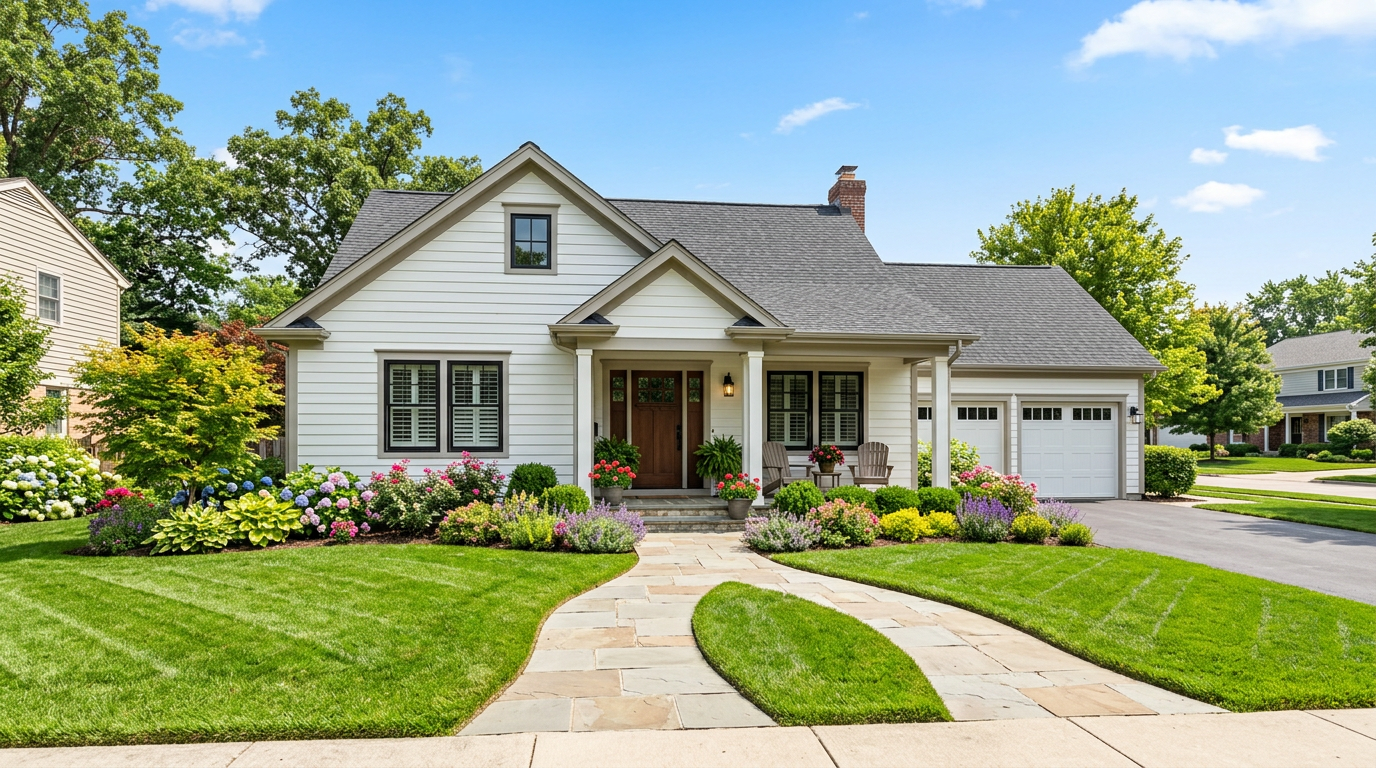
Dwelling coverage helps pay to repair or rebuild the physical structure of your home if it is damaged by a covered peril. Along the Gulf Coast, this typically includes events such as fire, lightning, windstorms, and hail, up to your policy's structural limits.
- Insurance type
- Home Insurance
- Languages
- Spanish and English
- Documentation
- Options available depending on carrier and eligibility
- Free quote
- Yes, no obligation
- Carriers
- Several compared
- Phone
- 1-877-579-0587
Fast, free quotes with bilingual agents. No obligation.
Owning a home in Mobile means enjoying Gulf Coast living, neighborhood character, and a strong local economy shaped by shipbuilding, aerospace, maritime commerce, and the many businesses that support the port. It also means planning for weather and property risks that can change quickly along the Alabama coast. Homeowners insurance is one of the most important tools for protecting that investment.
This guide explains how homeowners insurance typically works in Mobile, what it may cover, the local risks Gulf Coast homeowners should think about, and practical ways to right-size your protection without paying for coverage you do not need. Because every home and policy is different, the best approach is to compare options based on your property, your budget, and your risk tolerance.
What homeowners insurance covers
A standard homeowners policy is designed to help protect your home and personal finances after certain covered losses. While exact terms vary by carrier, most policies are built around a few core coverage parts:
- Dwelling coverage: Helps repair or rebuild the structure of your home if it is damaged by a covered event such as fire, wind, hail, or certain types of accidental damage.
- Other structures: May help protect detached structures on your property, such as a garage, fence, shed, or workshop.
- Personal property: Can help replace belongings like furniture, clothing, electronics, appliances, and household items after a covered loss.
- Loss of use: May help with additional living expenses if a covered claim makes your home temporarily unlivable and you need to stay elsewhere while repairs are completed.
- Personal liability: Can help if someone is injured on your property or if you accidentally cause property damage to someone else and are held legally responsible.
- Medical payments to others: May help pay certain medical expenses if a guest is injured at your home, regardless of fault, up to the policy limit.
Many homeowners also choose optional coverages or endorsements to better match their home and lifestyle. For example, you may see options for stronger water damage protection, replacement cost for personal property, higher liability limits, scheduled coverage for valuable items, or equipment breakdown protection. These add-ons can be useful, but they should be chosen carefully so your policy reflects real needs rather than a one-size-fits-all package.
It is also important to understand what homeowners insurance usually does not cover. Damage from flooding is typically handled through a separate flood insurance policy. In coastal and storm-prone areas like Mobile, that distinction matters. Likewise, wear and tear, neglect, mold from ongoing maintenance issues, and certain types of earth movement are often excluded or limited. Reading the policy details before you buy helps avoid surprises after a claim.
Local risks for Mobile homeowners
Mobile homeowners face a mix of weather, environmental, and property risks that are influenced by the city’s Gulf Coast location. A good insurance plan should reflect those realities. The right policy for a home near downtown Mobile may differ from the right policy for a home farther inland, and a newer house may need a different review than an older property with unique construction features.
Wind and hurricane exposure
One of the most important concerns in Mobile is wind damage from tropical storms and hurricanes. Even when a storm does not make direct landfall nearby, strong gusts, flying debris, roof damage, and water intrusion from wind-driven rain can still create costly repairs. Homeowners should review their dwelling limits, roof condition, and deductible structure with wind in mind.
It is especially helpful to check whether your policy includes a separate hurricane or wind deductible, and if so, how that deductible is calculated. A deductible that works well for one household may not fit another. Understanding the financial impact ahead of time can help you avoid a claim decision that is based more on surprise than on planning.
Heavy rain, drainage, and flood risk
Mobile can experience periods of intense rain, drainage challenges, and storm surge risk in low-lying or coastal-adjacent areas. Many homeowners are surprised to learn that flood damage is typically not included in a standard homeowners policy. That means rising water from outside the home generally requires separate flood coverage.
Even if your mortgage lender does not require flood insurance, it may still be worth considering. Flood risk is not limited to people living directly on the waterfront; it can affect neighborhoods well away from the coast, especially during major storm events or prolonged rainfall. A local insurance review should include a conversation about whether flood coverage belongs in your overall protection plan.
Older homes and maintenance concerns
Mobile has many homes with character, history, and unique construction details. Older homes can be beautiful, but they may also require closer attention to roofing, plumbing, electrical systems, foundations, and exterior materials. Insurers may ask about age, updates, and prior maintenance because these details influence both eligibility and coverage choices.
If you have made upgrades, such as a new roof, electrical panel, HVAC system, or plumbing improvements, share that information during a policy review. Documentation may support more accurate underwriting and help ensure your home is rated based on current conditions instead of outdated assumptions.
Salt air, humidity, and storm-related wear
Along the Gulf Coast, salt air and humidity can contribute to faster wear on exterior components, metal fixtures, roofing materials, and other exposed parts of a home. Insurance is not a substitute for routine maintenance, but staying ahead of corrosion, leaks, and moisture issues can reduce the chance of a claim being complicated by preventable damage.
Property owners in Mobile should keep an eye on attic ventilation, drainage around the foundation, gutter performance, window seals, and any signs of water intrusion. These efforts can support both the condition of the home and the quality of any future insurance claim review.
Liability exposure for households and rentals
Mobile’s active housing market includes full-time residences, rental homes, second homes, and properties that may occasionally host guests or short-term visitors. Any time people come and go, liability exposure can increase. A standard policy may help with certain liability claims, but the amount of coverage you carry should match how your home is used.
Households with pools, trampolines, detached structures, dogs, or frequent social gatherings may want to discuss higher liability limits or an umbrella policy. If you rent out a portion of the home or use it for income-producing activity, make sure the insurer knows exactly how the property is being used, because that can change the coverage needed.
Ways to right-size coverage and save
The best homeowners insurance policy is not always the cheapest or the most expensive. It is the one that balances protection, affordability, and claim readiness. Here are practical ways Mobile homeowners can right-size coverage while looking for savings:
- Review dwelling limits carefully: Make sure the amount reflects the cost to rebuild the structure, not just the home’s market value.
- Update home features: New roofs, storm shutters, updated electrical, or plumbing improvements may affect underwriting and available discounts.
- Choose deductibles thoughtfully: A higher deductible may lower your premium, but only if it is still manageable after a loss.
- Bundle when appropriate: If you also need auto, renters, or umbrella coverage, combining policies may create opportunities for convenience and potential savings.
- Ask about protective devices: Smoke detectors, security systems, monitored alarms, water shutoff devices, and wind-mitigation features may matter to carriers.
- Reassess personal property limits: Avoid overinsuring ordinary belongings, but make sure valuables are properly listed if they need special coverage.
- Separate flood planning from homeowners planning: Because flood is typically separate, make sure you are not assuming a homeowners policy will cover all water-related losses.
It is also smart to compare replacement cost versus actual cash value for personal property. Replacement cost may provide stronger protection because it is designed to help replace items at current cost, while actual cash value factors in depreciation. The better choice depends on your budget and how much financial risk you want to keep.
If you recently bought a home, completed renovations, or experienced a life change such as marriage, retirement, or a change in household size, your policy should be reviewed again. Coverage that made sense three years ago may no longer fit your current situation. A quick annual review is one of the simplest ways to avoid gaps and unnecessary costs.
How TOP Insurance helps
TOP Insurance LLC is an independent agency serving homeowners across Alabama, including Mobile. As an independent agency, we work with multiple insurance carriers, which allows us to compare options and recommend policies based on your home, your goals, and the local risks you face. We are not tied to one company, so our focus is on helping you find a fit that makes sense for your property.
For Mobile homeowners, that local and regional perspective matters. A home in a hurricane-exposed area, a historic home with older systems, or a newer property with storm-resistant features may all call for different coverage strategies. We can help you review dwelling limits, wind and hail considerations, deductibles, liability needs, and optional endorsements so you can make informed choices.
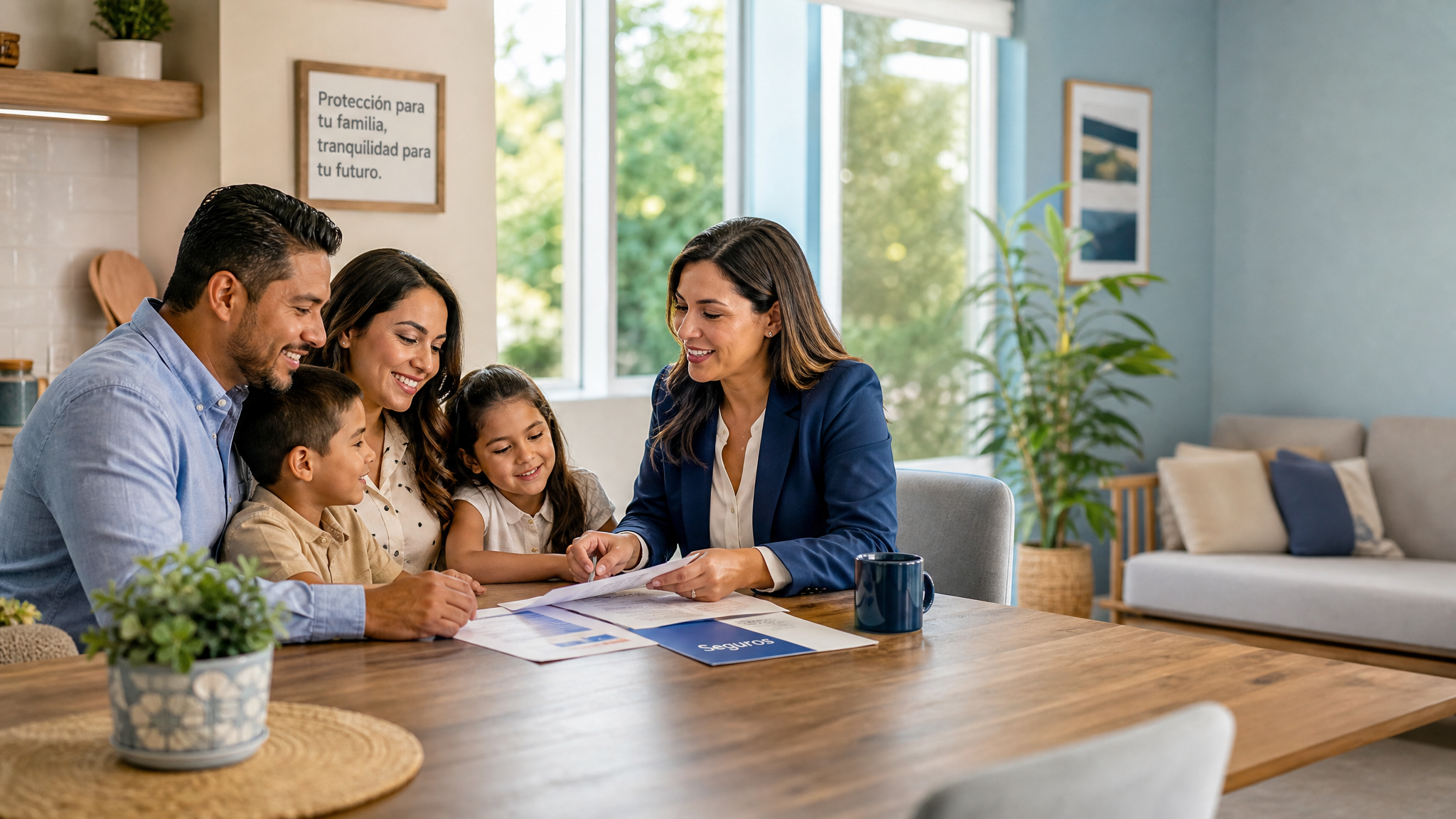
Our team also understands that homeowners insurance often needs to fit into a bigger picture. If you need auto insurance, umbrella coverage, condo insurance, renters insurance, or business protection, we can help coordinate policies so you are not left guessing about gaps or duplicate coverage. For families and bilingual households in Mobile’s growing Hispanic community, clear communication is essential. We work to explain coverage in straightforward terms so you can feel confident in the decisions you make.
Whether you are buying your first home, insuring a coastal property, or simply wanting a second opinion on your current policy, TOP Insurance can help you compare options and ask the right questions before a claim ever happens.
FAQ
Is flood insurance included in a standard homeowners policy?
No. Flood coverage is typically separate from a standard homeowners policy. In Mobile, this is an important distinction because heavy rain, storm surge, and flooding can be part of coastal weather risk.
Do I need wind coverage in Mobile?
Most homeowners in Mobile should pay close attention to wind-related protection because the area can experience tropical storms and hurricane conditions. The exact coverage and deductible structure depend on the policy and carrier.
How often should I review my homeowners policy?
A yearly review is a good habit, and you should also review your policy after major changes such as a roof replacement, renovation, remodel, move, or change in how the home is used.
What should I do if my home is older?
Gather information about updates to the roof, plumbing, electrical, and HVAC systems. Older homes can still be insurable, but carriers often want to know about maintenance and upgrades before issuing or renewing coverage.
If you own a home in Mobile, the best time to review your insurance is before the next storm season, not after. A strong policy should reflect the realities of coastal living, the condition of your home, and the level of financial protection your family needs.
Frequently Asked Questions
What does dwelling coverage protect under a Mobile homeowners policy?
Dwelling coverage helps pay to repair or rebuild the physical structure of your home if it is damaged by a covered peril. Along the Gulf Coast, this typically includes events such as fire, lightning, windstorms, and hail, up to your policy's structural limits.
Are hurricane and named storm deductibles standard in Mobile, Alabama?
Yes, because Mobile is located near the coast, many insurers apply a separate hurricane, named storm, or wind and hail deductible rather than a standard flat deductible. This separate deductible is usually calculated as a specific percentage of your dwelling coverage limit rather than a set dollar amount.
Does standard homeowners insurance cover flood damage in Mobile?
No, standard homeowners insurance policies exclude damage caused by rising waters, storm surge, and coastal flooding. Mobile property owners must purchase a separate flood insurance policy through the National Flood Insurance Program or a private flood insurer to protect against these water hazards.
How can I lower my homeowners insurance premium on the Gulf Coast?
Homeowners can often reduce their insurance costs by qualifying for mitigation discounts through the installation of wind-resistant features, such as impact-resistant roofing and storm shutters. You can also lower your annual premium by selecting higher deductibles or bundling multiple personal insurance policies.
Why is liability coverage an important part of homeowners insurance?
Personal liability coverage helps protect your household's financial assets if you are held legally responsible for bodily injury or property damage to guests on your premises. It helps pay for legal defense fees, court judgments, and associated medical expenses up to your selected coverage limit.

TOP Insurance LLC is a licensed independent insurance agency serving Georgia, Florida, South Carolina, Tennessee, Alabama, Indiana and Texas. Our bilingual team of licensed agents compares options from several carriers to find an alternative that fits your needs and budget. With offices in Duluth, Lawrenceville and Gainesville, GA, we specialize in auto, home, life, health and commercial insurance for the Hispanic community and all residents. Some carriers may offer options for applicants with an ITIN, consular ID, foreign passport or foreign license; required documentation and eligibility depend on each carrier.
Ready for your free quote?
Our bilingual agents help you compare options from multiple carriers to find an alternative that fits your needs and budget. Same-day response, no obligation.