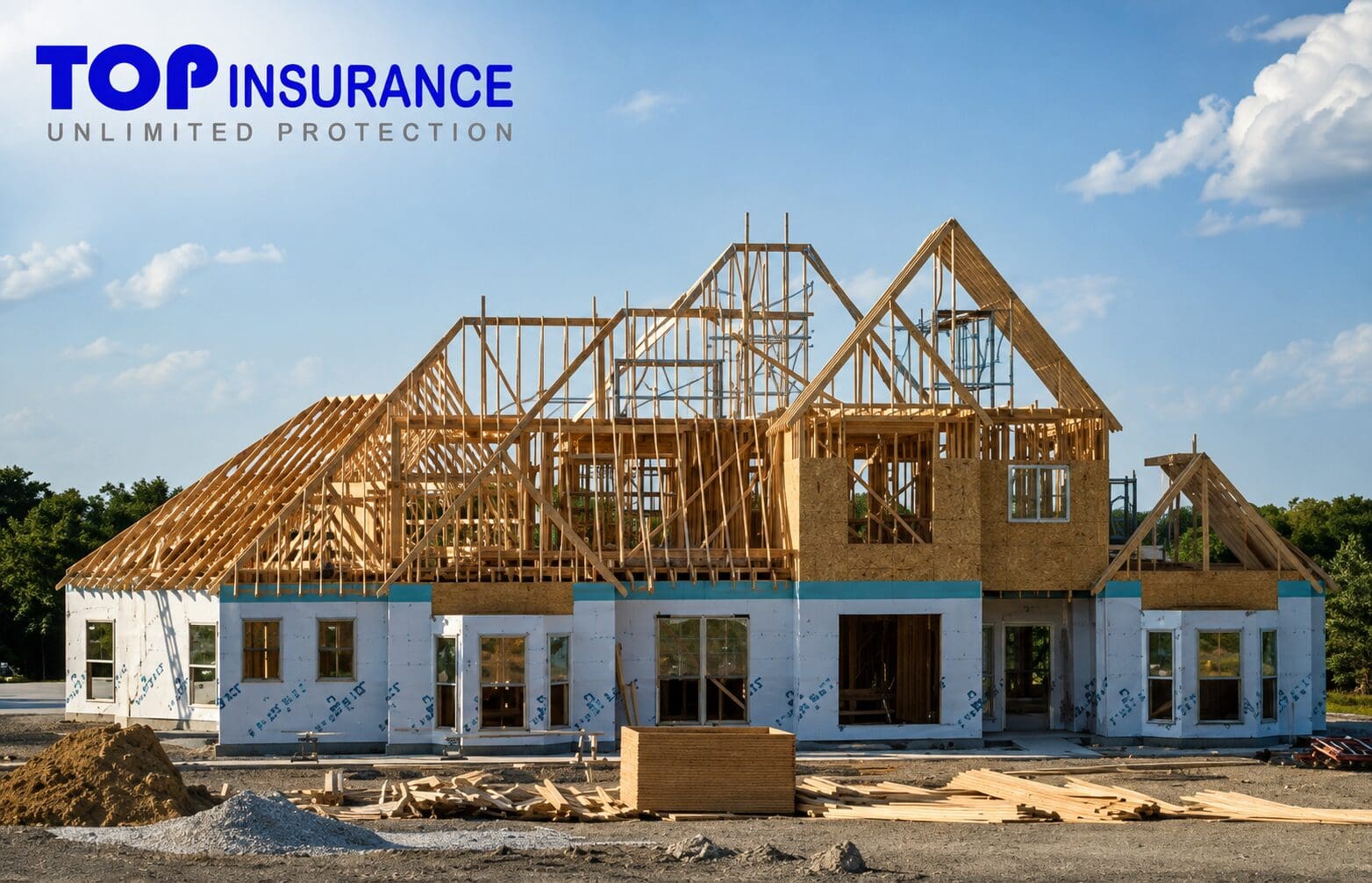
Is commercial property insurance required in Georgia?
Commercial property insurance may not be legally required for every business in Georgia. However, a lender, landlord, client, contract, or project owner may require it as a condition of financing, leasing, or doing business.
- Insurance type
- General Liability
- Languages
- Spanish and English
- Documentation
- Options available depending on carrier and eligibility
- Free quote
- Yes, no obligation
- Carriers
- Several compared
- Phone
- 1-877-579-0587
Fast, free quotes with bilingual agents. No obligation.
A commercial property represents a significant investment for any business. A building, office, warehouse, workshop, restaurant, retail store, or space used by contractors may contain expensive equipment, inventory, tools, furniture, documents, and other property essential to daily operations.
A fire, severe storm, theft, or another unexpected event can cause substantial financial losses and force a business to temporarily stop operating. For this reason, many business owners and operators in Georgia consider Commercial Property Insurance an important part of their business protection strategy.
Certain sudden and accidental water damage may be covered when the cause of loss is included under the policy. Flood, groundwater, poor maintenance and other causes may be excluded or require separate coverage.
Commercial Property Insurance should not be assumed to provide flood coverage. The availability of flood coverage should be evaluated separately.
This insurance may help protect certain physical business property, depending on the policy, coverage limits, deductibles, and applicable exclusions.
In this guide, we explain what commercial property insurance is, what it may cover, how it works, which businesses may need it, and which factors may affect its cost.
What Is Commercial Property Insurance?
Commercial Property Insurance is an insurance policy designed to protect the physical property used by a business.
Depending on the policy selected, coverage may include:
-
Commercial buildings.
-
Offices.
-
Leased business spaces.
-
Furniture and fixtures.
-
Business equipment.
-
Machinery.
-
Tools.
-
Inventory and merchandise.
-
Computers and electronic equipment.
-
Exterior signs.
-
Improvements made to a leased space.
-
Documents and property related to business operations.
The exact coverage depends on the policy issued. Not every risk is automatically covered, and some property may require specific limits, endorsements, or separate policies.
Why Is Commercial Property Insurance Important in Georgia?
Businesses in Georgia may be exposed to different risks based on the weather, location, construction type, business activity, and the way the property is used.
Events that may cause damage include:
-
Fires.
-
Severe storms.
-
Wind.
-
Hail.
-
Lightning.
-
Water damage.
-
Theft.
-
Vandalism.
-
Accidental damage.
-
Failures involving certain building systems.
-
Loss of inventory caused by a covered event.
In addition to physical damage, an incident may interrupt business operations and create additional expenses while the business recovers.
A properly structured policy may help a business:
-
Repair or replace covered property.
-
Recover part of the value of damaged inventory.
-
Replace damaged equipment.
-
Continue paying certain operating expenses.
-
Reopen more quickly after a covered loss.
-
Meet insurance requirements imposed by a lender, landlord, client, or project owner.
Commercial property insurance does not eliminate every business risk, but it may reduce the financial impact of certain covered events.
Who May Need Commercial Property Insurance?
Commercial property insurance may be appropriate for businesses that own, lease, rent, or use physical property as part of their operations.
Examples include:
-
Contractors.
-
General contractors.
-
Plumbing companies.
-
Electrical contractors.
-
Roofing contractors.
-
HVAC companies.
-
Handyman businesses.
-
Landscaping companies.
-
Construction companies.
-
Retail stores.
-
Restaurants.
-
Offices.
-
Medical and professional offices.
-
Warehouses.
-
Distribution companies.
-
Manufacturing businesses.
-
Cleaning companies.
-
Auto repair shops.
-
Beauty salons and barbershops.
-
Property management companies.
-
Small businesses operating from commercial locations.
A business may need coverage even if it does not own the building. Tenants may still have valuable furniture, inventory, tools, equipment, and improvements inside a leased property.
What Does Commercial Property Insurance Cover?
The covered property generally falls into several main categories.
1. Commercial Buildings
If the business owns the building, the policy may provide coverage for the structure, subject to the terms, limits, deductibles, and exclusions of the policy.
Building property may include:
-
Roofs.
-
Walls.
-
Floors.
-
Foundations, when covered by the policy.
-
Doors and windows.
-
Permanent fixtures.
-
Electrical systems.
-
Plumbing systems.
-
Heating and cooling systems.
-
Built-in equipment.
-
Permanently installed improvements.
The building should be insured using an appropriate valuation method and limit. Underinsuring the property may create problems if a major claim occurs.
2. Business Personal Property
Business personal property generally refers to movable property owned, used, or leased by the business.
Examples include:
-
Desks and office furniture.
-
Shelving.
-
Computers.
-
Printers.
-
Machinery.
-
Tools.
-
Equipment.
-
Point-of-sale systems.
-
Appliances.
-
Business documents.
-
Supplies.
-
Furniture used by customers or employees.
3. Inventory and Merchandise
Businesses that sell or store products may need coverage for inventory and merchandise.
This may include:
-
Products for sale.
-
Raw materials.
-
Finished products.
-
Stored merchandise.
-
Packaging materials.
-
Supplies used in business operations.
The appropriate limit should reflect the typical amount of inventory kept at the location. A business that experiences seasonal increases may need to review its limits periodically.
4. Tenant Improvements and Betterments
A tenant may invest money in improvements to a leased commercial space. These improvements may include:
-
Flooring.
-
Lighting.
-
Interior walls.
-
Cabinets.
-
Plumbing modifications.
-
Electrical improvements.
-
Built-in fixtures.
-
Remodeling.
-
Custom installations.
Depending on the policy, tenant improvements and betterments may be covered as business property.
5. Tools and Equipment
Contractors and mobile businesses may use tools and equipment at multiple locations.
Examples include:
-
Power tools.
-
Hand tools.
-
Generators.
-
Compressors.
-
Ladders.
-
Welding equipment.
-
Construction equipment.
-
Landscaping equipment.
-
Diagnostic equipment.
-
Specialized machinery.
Property that regularly moves between locations may require an appropriate mobile property or Inland Marine Insurance policy rather than relying only on standard property coverage at a fixed location.
Tools and mobile equipment that regularly leave the insured premises may require Inland Marine, Tools & Equipment or other specific coverage.
Common Risks That May Be Covered
Coverage depends on the policy form and selected options. Depending on the policy, commercial property insurance may cover damage caused by certain events such as:
-
Fire.
-
Lightning.
-
Windstorm.
-
Hail.
-
Smoke.
-
Theft.
-
Vandalism.
-
Certain types of water damage.
-
Damage caused by a covered vehicle impact.
-
Certain accidental physical losses.
-
Damage caused by other covered causes of loss.
The policy should be reviewed carefully because coverage differs between insurance companies and policy forms.
A business should not assume that every type of damage is automatically covered.
Business Income and Loss of Income Coverage
A covered property loss may prevent a business from operating normally. For example, a fire or severe storm could force a company to close temporarily while repairs are completed.
Business income coverage may help replace certain lost income and operating expenses after a covered loss, depending on the terms of the policy.
It may help with expenses such as:
-
Lost net income.
-
Continuing payroll.
-
Rent.
-
Utilities.
-
Loan payments.
-
Taxes.
-
Temporary operating expenses.
-
Costs associated with restoring business operations.
The amount of coverage and the time period available should be carefully evaluated. A business that takes several months to reopen may need more protection than a business that can relocate or resume operations quickly.
Extra Expense Coverage
Some businesses may need to spend additional money to continue operating after a covered loss.
Extra expense coverage may help with certain costs such as:
-
Renting temporary business space.
-
Leasing replacement equipment.
-
Moving operations to another location.
-
Paying expedited shipping costs.
-
Renting temporary storage.
-
Installing temporary systems.
-
Operating from a temporary location.
The availability of this coverage depends on the policy and the nature of the loss.
Commercial Property Insurance and General Liability Insurance
Commercial Property Insurance and General Liability Insurance protect against different types of risks.
Commercial Property Insurance may protect:
-
Buildings.
-
Business personal property.
-
Inventory.
-
Tools.
-
Equipment.
-
Furniture.
-
Certain physical losses.
General Liability Insurance may respond to:
-
Third-party bodily injury claims.
-
Third-party property damage claims.
-
Certain personal and advertising injury claims.
-
Lawsuits arising from business operations.
For example, commercial property insurance may help address damage to the business’s own covered property after a covered event. General liability insurance may help respond when a customer alleges that the business caused bodily injury or property damage.
Many businesses need both types of coverage because they address different exposures.
Learn more about General Liability Insurance.
Commercial Property Insurance and Inland Marine Insurance
Standard commercial property insurance is generally designed around a business location. However, contractors and mobile businesses may frequently transport or use their tools and equipment away from the primary premises.
Inland Marine Insurance may be considered for property that:
-
Moves between job sites.
-
Is transported in a vehicle.
-
Is temporarily stored at another location.
-
Is used at construction sites.
-
Is used away from the scheduled business premises.
-
Belongs to a contractor or is involved in a project.
Examples may include:
-
Contractor tools.
-
Construction equipment.
-
Mobile machinery.
-
Installation materials.
-
Equipment temporarily stored at a job site.
-
Specialized equipment used at multiple locations.
Commercial property insurance and Inland Marine Insurance may work together, but they are not automatically interchangeable. The business should review how each policy defines covered property, covered locations, and covered causes of loss.
Learn more about Inland Marine Insurance.
What Is Usually Not Covered?
Commercial property policies contain exclusions and limitations. Depending on the policy, coverage may not apply to certain losses involving:
-
Flood.
-
Earthquake.
-
Normal wear and tear.
-
Maintenance problems.
-
Insects or rodents.
-
Mold, subject to policy terms.
-
Mechanical breakdown.
-
Employee theft.
-
Certain types of water damage.
-
War or terrorism, depending on the policy.
-
Intentional acts.
-
Unscheduled property.
-
Property outside the covered territory.
-
Certain vehicles.
-
Certain valuable documents or electronic data.
Some excluded risks may be insurable through separate policies or endorsements.
For example, flood damage may require separate flood insurance. Equipment breakdown may require equipment breakdown coverage. Employee theft may require crime insurance.
Always review the policy with a licensed insurance professional to understand the exclusions and limitations that apply.
Does Commercial Property Insurance Cover Flood Damage?
Many commercial property policies do not automatically include flood coverage.
Flooding may result from:
-
Rising water.
-
Overflowing rivers or streams.
-
Heavy rainfall.
-
Storm surge.
-
Certain drainage conditions.
-
Water accumulating on normally dry land.
Because flood coverage is often excluded or limited, a business located in an area with potential flood exposure should ask whether a separate policy or endorsement may be necessary.
Does Commercial Property Insurance Cover Theft?
A commercial property policy may provide coverage for certain types of theft, subject to the policy terms, security requirements, exclusions, and deductible.
Coverage may be affected by:
-
Whether the property was secured.
-
Whether there was evidence of forced entry.
-
Whether the property was scheduled.
-
Whether the loss involved employee theft.
-
Whether the items were located at the insured premises.
-
Whether tools or equipment were covered away from the premises.
Employee theft and fraud may require separate crime coverage. Contractors should also confirm whether tools and equipment are covered while inside vehicles or at job sites.
Replacement Cost and Actual Cash Value
Commercial property insurance may use different methods to determine the value of damaged property.
Replacement Cost
Replacement cost generally refers to the cost of repairing or replacing property with similar property, subject to the policy terms and limits, without subtracting depreciation.
Actual Cash Value
Actual cash value generally considers depreciation when determining the value of damaged property.
The valuation method can affect the amount paid after a covered claim. Business owners should understand which valuation method applies to their building, equipment, inventory, and other covered property.
How Much Commercial Property Insurance Does a Business Need?
The appropriate amount of coverage depends on several factors, including:
-
The replacement cost of the building.
-
The value of business personal property.
-
The maximum inventory maintained.
-
The value of tools and equipment.
-
The cost of tenant improvements.
-
The amount of furniture and electronic equipment.
-
The business’s income.
-
The time required to rebuild or reopen.
-
The requirements of a lender or landlord.
-
The business’s location and construction type.
The market value of a building is not always the same as its replacement cost. Insurance limits should be based on an appropriate valuation rather than relying only on the purchase price or tax assessment.
Businesses should review their limits after:
-
Purchasing new equipment.
-
Expanding operations.
-
Moving to a larger location.
-
Remodeling.
-
Increasing inventory.
-
Adding new tools or machinery.
-
Opening another location.
-
Experiencing significant changes in revenue.
Factors That May Affect the Cost
The cost of commercial property insurance varies from one business to another. Insurance companies may consider factors such as:
-
Location.
-
Construction type.
-
Age of the building.
-
Roof condition.
-
Electrical and plumbing systems.
-
Fire protection systems.
-
Security systems.
-
Business operations.
-
Occupancy.
-
Claims history.
-
Coverage limits.
-
Deductible.
-
Inventory value.
-
Equipment value.
-
Property valuation.
-
Distance from fire protection services.
-
Prior losses.
-
Whether the building is owner-occupied or leased.
-
Whether the property is vacant or occupied.
-
Coverage options and endorsements.
There is no single price that applies to every business. The insurer generally needs accurate information about the business, property, operations, and requested coverage before providing a quote.
How to Help Protect Commercial Property
Insurance is one part of a broader risk-management plan. Businesses may also reduce their exposure by:
-
Installing smoke detectors.
-
Maintaining fire extinguishers.
-
Using alarm and security systems.
-
Improving exterior lighting.
-
Maintaining the roof.
-
Inspecting plumbing systems.
-
Protecting equipment from water damage.
-
Keeping accurate inventory records.
-
Photographing valuable property.
-
Backing up important business data.
-
Maintaining emergency contacts.
-
Creating a business continuity plan.
-
Securing tools and equipment.
-
Updating property values regularly.
-
Reporting material changes to the insurance company.
These measures do not guarantee that a claim will be covered, but they may help reduce risks and support the claims process.
Documents and Information Needed for a Quote
To request a commercial property insurance quote, an insurance professional may ask for:
-
Business name and contact information.
-
Business location.
-
Type of business.
-
Description of operations.
-
Ownership or lease information.
-
Building construction details.
-
Year the building was built.
-
Roof age and condition.
-
Square footage.
-
Number of employees.
-
Estimated annual revenue.
-
Estimated payroll.
-
Value of inventory.
-
Value of tools and equipment.
-
Value of furniture and electronics.
-
Prior insurance information.
-
Claims history.
-
Current policy declarations.
-
Security and fire protection information.
-
Coverage requirements from a landlord, lender, or client.
Providing accurate information helps the insurance professional evaluate the business more effectively.
Can Commercial Property Insurance Be Combined With Other Coverages?
Some businesses may combine multiple coverages through a Business Owners Policy, also known as a BOP.
A BOP may combine certain coverages such as:
-
Commercial property insurance.
-
General liability insurance.
-
Business income coverage.
-
Extra expense coverage.
-
Other available options.
A BOP may be appropriate for some small and medium-sized businesses, but it is not automatically the best solution for every company. Larger businesses, contractors, manufacturers, and companies with unusual risks may need a customized commercial insurance program.
Learn more about Business Insurance.
Commercial Property Insurance for Contractors
Contractors may have property exposures at their office, warehouse, shop, and job sites.
A contractor may need to evaluate coverage for:
-
Office furniture.
-
Computers.
-
Tools.
-
Equipment.
-
Building materials.
-
Inventory.
-
Temporary storage.
-
Tenant improvements.
-
Equipment transported to job sites.
-
Property belonging to customers.
-
Property used for installation or construction projects.
Contractors may also need other coverages, including:
The right combination depends on the contractor’s operations, employees, vehicles, equipment, contracts, and project requirements.
Commercial Property Insurance for Leased Buildings
A business leasing a commercial space may not be responsible for insuring the entire building. However, the lease may require the tenant to insure:
-
Business personal property.
-
Inventory.
-
Equipment.
-
Furniture.
-
Tenant improvements.
-
Liability exposures.
-
Business income.
Landlords may also require the tenant to provide proof of insurance, specific liability limits, or a Certificate of Insurance.
Before purchasing coverage, business owners should review the insurance requirements in their lease agreement.
Frequently Asked Questions
Is commercial property insurance required in Georgia?
Commercial property insurance may not be legally required for every business in Georgia. However, a lender, landlord, client, contract, or project owner may require it as a condition of financing, leasing, or doing business.
Does a business owner who rents a building need commercial property insurance?
Yes, a tenant may still need coverage for inventory, furniture, tools, equipment, electronics, tenant improvements, and other business property.
Does commercial property insurance cover business interruption?
Some policies may include business income and extra expense coverage, subject to the policy terms, limits, waiting periods, and covered causes of loss.
Does commercial property insurance cover tools used at job sites?
It depends on the policy. Tools that regularly move between locations may require Inland Marine Insurance or a specific contractors’ equipment endorsement.
Does commercial property insurance cover equipment breakdown?
Not always. Mechanical breakdown may require separate equipment breakdown coverage or an applicable endorsement.
Can commercial property insurance cover inventory?
Yes, inventory may be covered when the policy includes business personal property coverage and the inventory is within the applicable limits and covered location.
How much does commercial property insurance cost in Georgia?
The cost varies based on the business type, location, building, property value, inventory, equipment, claims history, coverage limits, deductible, and selected options. A personalized quote is necessary to determine the cost for a specific business.
What is the difference between commercial property insurance and general liability insurance?
Commercial property insurance generally protects the business’s own covered property. General liability insurance generally addresses certain claims made by third parties for bodily injury, property damage, or other covered liability exposures.
Can Top Insurance LLC help with commercial property insurance?
Top Insurance LLC can help businesses review commercial insurance options based on their operations and property exposures. Coverage availability, eligibility, terms, and pricing depend on the insurance company and policy selected.
Request a Commercial Property Insurance Quote in Georgia
Protect your business building, office, inventory, tools, and equipment with coverage designed around your company’s needs.
Top Insurance LLC helps business owners, contractors, tenants, and commercial companies evaluate insurance options for their property and operations.
To request a quote for Commercial Property Insurance, visit:
You may also call Top Insurance LLC at 877-579-0587.
Official website: www.topinsus.com
Related Coverage Options
You can also learn more about:
For any other type of insurance quote, visit cotiza.topinsus.com.
Do you need to protect your commercial building, office, inventory, tools, or business equipment in Georgia? Visit comercial.topinsus.com or call Top Insurance LLC at 877-579-0587 to request a quote.
Coverage is subject to the terms, conditions, limits, deductibles, and exclusions of the applicable policy.

TOP Insurance LLC is a licensed independent insurance agency serving Georgia, Florida, South Carolina, Tennessee, Alabama, Indiana and Texas. Our bilingual team of licensed agents compares options from several carriers to find an alternative that fits your needs and budget. With offices in Duluth, Lawrenceville and Gainesville, GA, we specialize in auto, home, life, health and commercial insurance for the Hispanic community and all residents. Some carriers may offer options for applicants with an ITIN, consular ID, foreign passport or foreign license; required documentation and eligibility depend on each carrier.
Ready for your free quote?
Our bilingual agents help you compare options from multiple carriers to find an alternative that fits your needs and budget. Same-day response, no obligation.