What is commercial auto insurance?
It is a policy designed to help protect a business against certain risks related to vehicles used for commercial activities.
- Insurance type
- Commercial Auto Insurance
- Languages
- Spanish and English
- Documentation
- Options available depending on carrier and eligibility
- Free quote
- Yes, no obligation
- Carriers
- Several compared
- Phone
- 1-877-579-0587
Fast, free quotes with bilingual agents. No obligation.
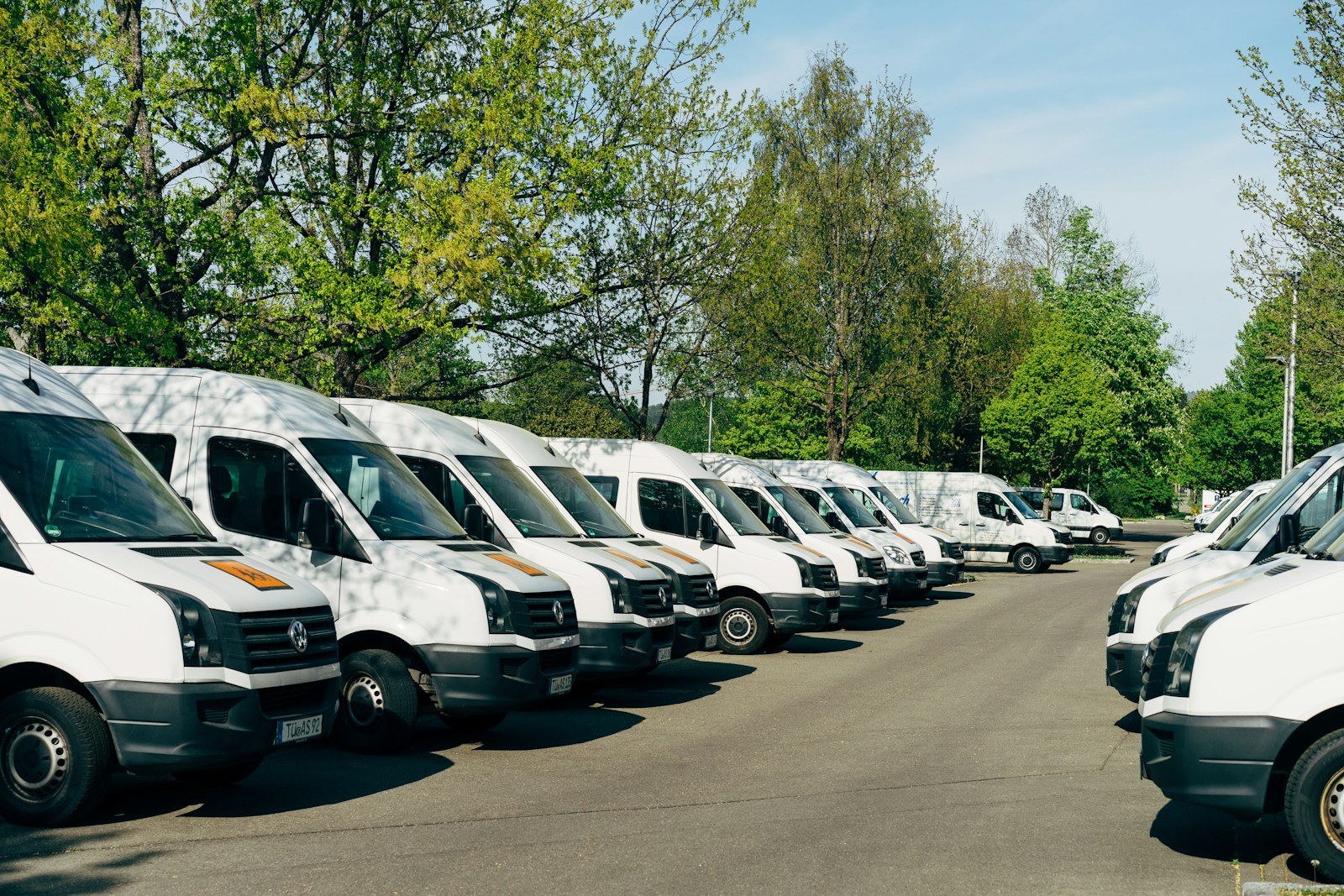
Many small businesses in Georgia depend on one or more vehicles to conduct their daily operations. A truck may be used to transport tools, a van to visit customers, or a vehicle may be necessary to make deliveries, carry materials, or move equipment.
However, using a vehicle for commercial purposes may create different risks than using a vehicle exclusively for personal activities. If an accident occurs while the vehicle is being used for business, a personal auto policy may not provide the protection the business needs.
Commercial auto insurance is designed to help cover certain risks related to vehicles used in commercial operations. Depending on the policy, it may provide protection for:
-
Vehicles owned by the business.
-
Vehicles used by employees.
-
Contractor trucks.
-
Commercial vans.
-
Vehicles used for deliveries.
-
Cars used to visit customers.
-
Vehicles that transport tools or materials.
-
Hired or non-owned vehicles, when the corresponding coverage is added.
Important: This article is for educational purposes only and does not constitute legal, tax, or personalized insurance advice. Coverages, limits, exclusions, requirements, and prices depend on the policy, insurance company, business operations, and applicable laws.
What Is Commercial Auto Insurance?
Commercial auto insurance is a policy that may help protect a business against certain risks related to vehicles used for commercial activities.
The policy may include coverage for:
-
Liability for accidents.
-
Physical damage to the insured vehicle.
-
Authorized drivers.
-
Vehicles owned by the business.
-
Hired vehicles.
-
Non-owned vehicles.
-
Injuries to third parties.
-
Property damage to third parties.
-
Vehicles used to transport tools or materials, subject to the policy terms.
The exact coverage depends on the insured vehicles, the declared use, the drivers, the operating territory, the selected limits, and the applicable exclusions.
Why Might a Small Business Need Commercial Auto Insurance?
A business may need commercial auto insurance when a vehicle is primarily used to benefit, operate, or generate income for the business.
Examples include:
-
Transporting tools to different projects.
-
Delivering materials to a job site.
-
Making deliveries to customers.
-
Visiting properties or work sites.
-
Transporting commercial equipment.
-
Picking up inventory or supplies.
-
Transporting employees during a work-related activity.
-
Visiting suppliers.
-
Performing repairs or installations.
-
Transporting products for sale or delivery.
Even if the vehicle is an ordinary car or a small truck, commercial use may change how the insurance company evaluates the risk.
What Is the Difference Between Personal and Commercial Auto Insurance?
Personal Auto Insurance
A personal policy is primarily designed for private and family activities, such as:
-
Traveling to work.
-
Going to school.
-
Shopping.
-
Visiting family members.
-
Taking personal trips.
-
Driving during free time.
The policy may limit or exclude certain commercial uses.
Commercial Auto Insurance
A commercial policy is designed for vehicles used in business-related activities, such as:
-
Deliveries.
-
Transporting tools.
-
Visiting customers.
-
Construction work.
-
Repair services.
-
Transporting merchandise.
-
Installation work.
-
Maintenance operations.
-
Contractor activities.
Comparison Table
| Feature | Personal Auto Insurance | Commercial Auto Insurance |
|---|---|---|
| Main purpose | Personal and family use | Business-related use |
| Vehicle owner | Individual | Business or person operating a business |
| Regular use | Personal transportation | Deliveries, visits, transportation, or services |
| Drivers | Household members and permitted drivers | Employees, owners, and authorized drivers |
| Vehicles | Personal automobiles | Vans, trucks, and commercial cars |
| Limits | Based on personal policy | May require higher limits |
| Certificates | Generally not required | May be required under commercial contracts |
| Contract requirements | Less common | Additional Insured, Primary, and other endorsements may be requested |
You should not assume that a personal policy will automatically cover commercial use of a vehicle.
What Small Businesses May Need Commercial Auto Insurance?
Contractors and Construction Businesses
Contractors may use vehicles to transport:
-
Tools.
-
Materials.
-
Ladders.
-
Equipment.
-
Replacement parts.
-
Supplies.
-
Authorized workers.
Examples of contractors who may need this coverage include:
-
Plumbers.
-
Electricians.
-
Roofers.
-
Painters.
-
Carpenters.
-
HVAC companies.
-
General contractors.
-
Remodeling companies.
-
Flooring installers.
-
Landscaping companies.
Delivery Businesses
Delivery businesses may use vehicles to transport:
-
Packages.
-
Food.
-
Products.
-
Documents.
-
Merchandise.
-
Medication, when applicable.
-
Equipment.
-
Supplies.
The appropriate coverage depends on the type of delivery, vehicle, driver, and operating area.
Restaurants and Food Businesses
A restaurant may need to review its commercial insurance if it uses vehicles to:
-
Deliver food.
-
Transport products.
-
Pick up supplies.
-
Take equipment to events.
-
Move food between locations.
If employees use their own vehicles to make deliveries, the business should also review whether it needs coverage for non-owned vehicles.
Cleaning Businesses
A cleaning company may use vehicles to transport:
-
Cleaning products.
-
Vacuums.
-
Ladders.
-
Equipment.
-
Materials.
-
Authorized employees.
Maintenance and Repair Businesses
A technician may use a van or truck to visit customers and transport tools, parts, and equipment.
Landscaping Businesses
Landscaping businesses may use vehicles to transport:
-
Lawn mowers.
-
Tools.
-
Plants.
-
Soil.
-
Fertilizer.
-
Small equipment.
-
Landscaping materials.
Transportation and Moving Businesses
These businesses may use vans, trucks, or vehicles of different sizes to transport belongings, furniture, or merchandise.
Sales and Service Businesses
A sales representative may use a vehicle to:
-
Visit customers.
-
Transport samples.
-
Attend meetings.
-
Deliver documents.
-
Conduct demonstrations.
-
Supervise different locations.
Main Commercial Auto Insurance Coverages
Bodily Injury Liability
This coverage may help respond to certain claims for injuries caused to other people in an accident covered by the policy.
Depending on the contract, it may include:
-
Medical expenses for third parties.
-
Defense costs.
-
Covered settlements.
-
Covered judgments.
-
Injury claims.
Coverage is subject to the limits, exclusions, conditions, and deductibles established in the policy.
Property Damage Liability
This coverage may help pay for certain damage caused to someone else’s property.
Examples include:
-
Damage to another automobile.
-
Damage to a home.
-
Damage to a fence.
-
Damage to a commercial structure.
-
Damage to a utility pole.
-
Damage to another person’s equipment.
This coverage does not necessarily pay for damage to the business’s own vehicle. Physical damage coverage may be needed to protect the business vehicle.
Uninsured and Underinsured Motorist Coverage
This coverage may help when the commercial vehicle is involved in an accident caused by a driver who:
-
Does not have insurance.
-
Has insufficient limits.
-
Cannot be identified, when the applicable coverage allows it.
Availability, limits, and conditions vary. The business should review this coverage with its insurance agent.
Collision Coverage
Collision coverage may help pay for certain damage to the commercial vehicle after a covered accident.
It may apply when the vehicle:
-
Collides with another automobile.
-
Hits an object.
-
Impacts a barrier.
-
Rolls over.
-
Collides with a structure.
This coverage is generally subject to a deductible.
Comprehensive Coverage
Comprehensive coverage may help cover certain damage that is not caused by a collision.
Examples include:
-
Theft.
-
Vandalism.
-
Fire.
-
Hail.
-
Storms.
-
Falling objects.
-
Damage caused by animals.
-
Other risks covered by the policy.
Coverage for Hired Vehicles
Hired Auto Liability may help protect the business’s liability when it uses a rented vehicle for commercial purposes.
Examples include:
-
Renting a van for a project.
-
Renting a truck during a high-demand season.
-
Using a rented vehicle to transport materials.
-
Renting a car to visit customers.
This coverage does not necessarily protect against physical damage to the rented vehicle. That protection should be reviewed separately.
Coverage for Non-Owned Vehicles
Non-Owned Auto Liability may help protect the business when an employee, owner, or contractor uses a vehicle that does not belong to the business.
Examples include:
-
An employee uses a personal car to make a delivery.
-
The owner visits a customer in a personal vehicle.
-
A worker transports tools in a personal car.
-
An employee picks up materials for the business.
This coverage generally focuses on the business’s liability and does not necessarily cover physical damage to the employee’s vehicle.
Scheduled Vehicle Coverage
Vehicles owned by the business should generally be correctly listed on the policy, including information such as:
-
Year.
-
Make.
-
Model.
-
VIN.
-
Type of vehicle.
-
Use.
-
Primary location.
-
Registered owner.
Do not assume that every newly purchased vehicle is automatically covered. Confirm the company’s requirements before using it.
Trailer Coverage
If the business uses trailers, it is important to review:
-
Whether they must be listed separately.
-
Whether they are covered while attached.
-
Whether they have physical damage coverage.
-
Whether they transport tools or materials.
-
Which limits apply.
-
Whether commercial use is included.
Cargo and Merchandise Coverage
Commercial auto insurance does not always automatically cover merchandise or property being transported.
A business may need to review additional coverage for:
-
Products.
-
Customers’ equipment.
-
Tools.
-
Materials.
-
Inventory.
-
Property in transit.
-
Goods temporarily stored.
The coverage needed depends on who owns the property and what responsibility the business has assumed.
Does Commercial Auto Insurance Cover Tools Inside the Vehicle?
Not necessarily.
Tools and equipment may require coverage such as:
-
Inland Marine.
-
Contractor’s Equipment.
-
Commercial Property.
-
Equipment Floater.
-
Coverage for property away from the business premises.
-
Coverage for equipment in transit.
Commercial auto insurance may respond to certain vehicle damage or liability claims involving third parties, but that does not mean the tools inside the truck are automatically protected.
Can a Business Use a Personal Vehicle for Work?
It may be possible, but the use must be properly disclosed.
A personal automobile used to:
-
Visit customers.
-
Make deliveries.
-
Transport tools.
-
Transport products.
-
Pick up materials.
-
Provide services.
may create commercial exposure.
The business should confirm:
-
Whether the personal policy permits that use.
-
Whether Non-Owned Auto Liability is needed.
-
Whether the driver must be disclosed.
-
Whether the vehicle is used occasionally or regularly.
-
Whether the business has a policy for the use of personal vehicles.
What Happens If an Employee Has an Accident?
If an employee has an accident while performing an activity authorized by the business, claims may arise against:
-
The driver.
-
The vehicle owner.
-
The business.
-
The employer.
-
Other involved parties.
How the insurance responds depends on:
-
The circumstances of the accident.
-
The vehicle’s use.
-
The policy in effect.
-
Who was driving.
-
Whether the driver was authorized.
-
The selected limits.
-
Applicable exclusions.
-
Relevant law.
The business should establish clear rules for employees who drive during work activities.
Requirements for Commercial Vehicle Drivers
The insurance company may request information about each driver, such as:
-
Full name.
-
Date of birth.
-
Driver’s license number.
-
State that issued the license.
-
Accident history.
-
Violation history.
-
Experience driving commercial vehicles.
-
Date of hire.
-
Type of vehicle driven.
-
Operating area.
The business must report changes in drivers and should not allow unauthorized individuals to use insured vehicles.
Young Drivers and Commercial Vehicles
Insurance companies may apply specific rules when a young driver operates a commercial vehicle.
The business should review:
-
Minimum age.
-
Required experience.
-
Type of vehicle.
-
Driving history.
-
Vehicle use.
-
Internal safety rules.
-
Insurance company requirements.
-
Customer or contractual requirements.
Not every driver automatically qualifies to operate every type of commercial vehicle.
What Liability Limits Does a Small Business Need?
There is no single limit that is appropriate for every business. A business should consider:
-
Type of operation.
-
Size of vehicles.
-
Number of vehicles.
-
Distance driven.
-
Type of merchandise.
-
Number of employees.
-
Third-party exposure.
-
Customer contracts.
-
Requirements of lessors or lenders.
-
Operations within or outside Georgia.
-
Type of business.
Some customers or general contractors may require specific limits before allowing a business to begin work.
Legal minimum limits may not be sufficient for a business that transports expensive equipment, operates in areas with heavy traffic, or has commercial contracts with customers.
Commercial Auto Insurance for Financed Vehicles
When a business finances a vehicle, the lender may require:
-
Comprehensive coverage.
-
Collision coverage.
-
Minimum liability limits.
-
A maximum deductible.
-
Listing the lender as a
lienholder. -
Proof of insurance.
-
Notice of changes or cancellation, when applicable.
Before purchasing a truck or van for the business, request an insurance quote. The cost of the policy should be included in the company’s total operating budget.
Insurance for Leased Vehicles
Under a leasing agreement, the lessor may require:
-
Specific limits.
-
Comprehensive coverage.
-
Collision coverage.
-
Listing the lessor on the policy.
-
Deductible requirements.
-
Proof of insurance.
-
Coverage for additional charges.
Carefully review the agreement and provide the exact requirements to your agent.
Certificate of Insurance for Commercial Auto
A customer may request a Certificate of Insurance, commonly called a COI, to verify that the business has active insurance.
The certificate may show:
-
Name of the insured.
-
Insurance company.
-
Policy number.
-
Effective dates.
-
Liability limits.
-
Listed coverages.
-
Certificate holder.
The customer may also request:
-
Additional Insured.
-
Primary and Non-Contributory.
-
Waiver of Subrogation.
-
Specific limits.
-
Hired vehicle coverage.
-
Non-owned vehicle coverage.
A certificate does not change the policy or expand coverage by itself. If a contract requires additional protection, the appropriate endorsement generally must be reviewed and added.
What Does Additional Insured Mean?
An Additional Insured is a person or entity that may receive certain rights under a policy through an endorsement.
A customer or general contractor may request this status when hiring a business that uses vehicles to perform services.
Additional Insured status:
-
Is not always automatic.
-
May be limited to specific operations.
-
May include exclusions.
-
May depend on the contract.
-
May apply only for a specific period.
-
May require a specific endorsement.
The business should provide the agent with the complete contract and exact requirements.
Primary and Non-Contributory
Some contracts require the business’s insurance to be:
-
Primary, so it responds first.
-
Non-Contributory, so the other party’s insurance does not contribute before the required coverage is used.
This condition should not be added merely by writing it on a certificate. It generally requires an endorsement approved by the insurance company.
Waiver of Subrogation
A Waiver of Subrogation may limit certain rights of the insurance company to recover payments from a specific party after a claim.
Some customers request this endorsement as a contractual condition. Availability depends on:
-
The policy.
-
Type of operation.
-
Insurance company.
-
Contract.
-
Business relationship.
-
Available endorsement.
How Much Does Commercial Auto Insurance Cost in Georgia?
There is no single price for all small businesses. The premium may depend on several factors.
The insurance company may consider:
-
Type of business.
-
Number of vehicles.
-
Type of vehicles.
-
Vehicle value.
-
Number of drivers.
-
Driving history.
-
Claims history.
-
Operating area.
-
Miles driven.
-
Type of merchandise.
-
Vehicle use.
-
Liability limits.
-
Deductibles.
-
Additional coverages.
-
Business experience.
-
Insurance history.
-
Contractual requirements.
A business that uses one truck occasionally may receive a different risk evaluation than a business that operates several delivery vehicles every day.
The best way to determine the price is to request a quote based on the business’s actual operations.
Factors That May Affect the Premium
Type of Vehicle
A van, pickup truck, commercial truck, or automobile may have a different premium.
Weight and Size
Larger vehicles may present a different exposure and may have additional requirements.
Operating Radius
The company may evaluate local, interstate, and long-distance operations differently.
Driver History
Accidents and violations may affect risk evaluation.
Type of Merchandise
Transporting documents is different from transporting heavy equipment, construction materials, or high-value products.
Frequency of Use
A vehicle used every day may represent more exposure than one used occasionally.
Selected Limits
Higher limits may increase the premium but may be necessary to protect the business and satisfy contracts.
Claims History
The frequency and severity of previous claims may affect underwriting.
Number of Vehicles
A business with several vehicles may need a broader commercial policy.
How Can a Small Business Reduce the Cost?
Compare Different Options
Not all insurance companies evaluate commercial risks in the same way. Compare coverage, limits, deductibles, and price.
Maintain a Good Driving Record
Establish strict rules against:
-
Driving under the influence.
-
Using a phone while driving.
-
Speeding.
-
Aggressive driving.
-
Unauthorized vehicle use.
-
Driving without a valid license.
Review Drivers
The business should review the licenses and driving histories of authorized drivers.
Choose Appropriate Vehicles
The type, size, age, safety features, and value of the vehicle may affect the price.
Implement a Safety Program
The program may include:
-
Driver training.
-
Vehicle inspections.
-
Preventive maintenance.
-
Vehicle-use rules.
-
Accident procedures.
-
A prohibition on distracted driving.
-
A list of authorized drivers.
Choose Reasonable Deductibles
A higher deductible may reduce the premium, but the business should have sufficient resources to pay it after a claim.
Avoid Coverage Interruptions
A canceled policy or missed payment may affect the available options.
Review the Policy Annually
The business should update the policy when it:
-
Purchases a vehicle.
-
Sells a vehicle.
-
Hires a driver.
-
Changes its address.
-
Expands its operating area.
-
Begins making deliveries.
-
Transports new products.
-
Signs new contracts.
-
Changes how vehicles are used.
Documents Needed to Request a Quote
The insurance company may request the following:
Business Information
-
Legal name.
-
Trade name.
-
Address.
-
Telephone number.
-
Entity type.
-
Start date.
-
Description of operations.
-
Estimated revenue.
-
Number of employees.
-
States where the business operates.
-
Owner information.
Vehicle Information
-
Year.
-
Make.
-
Model.
-
VIN.
-
Value.
-
Approximate weight.
-
Body type.
-
Use.
-
Storage location.
-
Financing or leasing information.
Driver Information
-
Name.
-
Date of birth.
-
Driver’s license number.
-
Issuing state.
-
Date of hire.
-
Accident history.
-
Violation history.
-
Driving experience.
Insurance History
-
Previous insurance company.
-
Policy number.
-
Coverage dates.
-
Previous claims.
-
Cancellations.
-
Payment history.
-
Letter of experience, when available.
Contract Information
-
Customer contracts.
-
Insurance requirements.
-
Requested limits.
-
Additional Insured requirements.
-
Primary and Non-Contributory requirements.
-
Waiver of Subrogation.
-
Previous certificates.
Common Mistakes Made by Small Businesses
Using a Personal Policy for Commercial Activities
A personal policy may limit or exclude business-related use.
Failing to List All Vehicles
Vehicles used by the business should be correctly listed on the policy.
Failing to Report Drivers
The insurance company should know who operates the commercial vehicles.
Allowing Unauthorized Drivers
An accident involving an unauthorized driver may create coverage issues.
Failing to Review Contracts
The business may accept insurance requirements that its policy does not include.
Confusing Auto Coverage with Cargo Coverage
Coverage for the vehicle does not necessarily cover the merchandise being transported.
Failing to Protect Tools
Tools may require Inland Marine or Contractor’s Equipment coverage.
Failing to Update the Policy
Changes in vehicles, drivers, routes, or activities should be reported.
Purchasing Only the Minimum Limit
The minimum limit may be insufficient for certain businesses.
Failing to Review Commercial Use
Deliveries, passenger transportation, and operations outside the state may require additional review.
Small Business Checklist
-
I identified all vehicles used by my business.
-
I reported the actual use of each vehicle.
-
I reviewed the difference between personal and commercial use.
-
I listed all authorized drivers.
-
I verified the drivers’ licenses.
-
I reviewed the drivers’ records.
-
I confirmed the liability limits.
-
I reviewed collision coverage.
-
I reviewed comprehensive coverage.
-
I asked about uninsured motorist coverage.
-
I reviewed Hired Auto Liability.
-
I reviewed Non-Owned Auto Liability.
-
I analyzed trailer coverage.
-
I analyzed cargo coverage.
-
I reviewed protection for tools and equipment.
-
I provided the contracts to my agent.
-
I reviewed Additional Insured requirements.
-
I asked about Primary and Non-Contributory.
-
I asked about Waiver of Subrogation.
-
I selected appropriate deductibles.
-
I confirmed lender requirements.
-
I updated the policy after changes to the business.
Frequently Asked Questions
What is commercial auto insurance?
It is a policy designed to help protect a business against certain risks related to vehicles used for commercial activities.
Does a small business really need commercial auto insurance?
It may need it if it uses vehicles to make deliveries, visit customers, transport tools, carry materials, or perform other business activities.
Can I use my personal policy for work?
It depends on the type of use and policy terms. Commercial activities may be limited or excluded. Ask before using the vehicle for business.
What vehicles can be insured under a commercial policy?
Cars, pickup trucks, vans, trucks, trailers, and other commercial vehicles may be insured, subject to the insurance company’s approval.
Does commercial insurance cover my employees?
It may cover liability related to authorized drivers, depending on the policy terms. Drivers must meet the company’s requirements.
Does commercial insurance cover my vehicle?
It may include collision and comprehensive coverage if those coverages are selected and the vehicle is properly listed.
Does insurance cover tools inside the truck?
Not necessarily. Tools and equipment may require Inland Marine, Contractor’s Equipment, or another specific coverage.
Do I need commercial insurance if I only have one truck?
It is possible. The need depends on how the truck is used, who drives it, who owns it, and the business activities involved.
What is Hired Auto Liability?
It is coverage that may help with the business’s liability when rented vehicles are used for commercial activities.
What is Non-Owned Auto Liability?
It is coverage that may help with the business’s liability when vehicles that do not belong to the business are used.
Does commercial auto insurance cover employees’ vehicles?
Not necessarily. If employees use their own vehicles, the business should review whether it needs Non-Owned Auto Liability.
How much does commercial auto insurance cost in Georgia?
The price depends on the business type, vehicles, drivers, limits, claims history, operating area, and use. A personalized quote is required.
Do I need full coverage for a commercial truck?
The need depends on the vehicle’s value, how it is used, the financing agreement, and the level of protection the business wants.
Is commercial insurance required in Georgia?
Requirements depend on the vehicle, registration, use, and operation. The business should review state requirements and any applicable contractual or regulatory obligations.
Can I obtain a Certificate of Insurance?
Yes, if the policy includes the corresponding coverages. The certificate must accurately reflect the policy and cannot expand coverage by itself.
What happens if a customer requires Additional Insured status?
Provide the contract and exact requirements to your agent. The inclusion generally requires the appropriate endorsement to be reviewed and added.
Do I need commercial insurance if I work as an independent contractor?
It depends on the type of operation, vehicles used, and contracts. Many customers may require proof of coverage before allowing work to begin.
What should I do if I purchase another vehicle?
Contact your agent before using it and provide the VIN, vehicle information, intended use, and lender or lessor information, if applicable.
What happens if my business begins making deliveries?
Immediately notify the insurance company or agent. Deliveries may change the risk and require a policy review.
Request a Commercial Auto Insurance Quote in Georgia
At top insurance llc, we help small businesses review their commercial auto insurance options in Georgia.
We can help you analyze:
-
Commercial auto insurance.
-
Commercial liability.
-
Owned vehicles.
-
Hired vehicles.
-
Non-owned vehicles.
-
Commercial trucks and vans.
-
Contractor vehicles.
-
Delivery vehicles.
-
Comprehensive coverage.
-
Collision coverage.
-
Authorized drivers.
-
Trailers.
-
Tools and equipment.
-
Cargo and merchandise.
-
Certificates of Insurance.
-
Additional Insured.
-
Primary and Non-Contributory.
-
Waiver of Subrogation.
-
Limits and deductibles.
Get Information and a Quote
-
Auto Insurance: auto.topinsus.com
-
Commercial Insurance: comercial.topinsus.com
-
General Quotes: cotiza.topinsus.com
-
Phone: 877-579-0587
-
Website: www.topinsus.com
top insurance llc serves small businesses in Duluth, Lawrenceville, and other areas of Georgia, as well as clients in Florida, Tennessee, Indiana, South Carolina, Alabama, and Texas.
Conclusion
Commercial auto insurance for small businesses in Georgia can be an important part of protecting a business that uses vehicles to operate.
Before purchasing a policy:
-
Identify all vehicles used by the business.
-
Explain the actual use of each vehicle.
-
List all authorized drivers.
-
Review liability limits.
-
Consider comprehensive and collision coverage.
-
Ask about hired and non-owned vehicles.
-
Review trailer coverage.
-
Protect tools and equipment with the appropriate policy.
-
Analyze cargo coverage.
-
Review customer contracts.
-
Confirm Additional Insured requirements.
-
Choose deductibles the business can afford.
-
Update the policy whenever operations change.
The appropriate policy depends on the type of business, vehicles, drivers, routes, merchandise, and contracts. Reviewing the operation with an insurance agent may help identify potential coverage gaps and select limits appropriate for the business.
Important Notice: The information in this article is educational and does not constitute legal, tax, or personalized insurance advice. Requirements, limits, prices, exclusions, and conditions may change. Coverage depends on the policy contract, the information submitted to the insurer, and underwriting approval.

TOP Insurance LLC is a licensed independent insurance agency serving Georgia, Florida, South Carolina, Tennessee, Alabama, Indiana and Texas. Our bilingual team of licensed agents compares options from several carriers to find an alternative that fits your needs and budget. With offices in Duluth, Lawrenceville and Gainesville, GA, we specialize in auto, home, life, health and commercial insurance for the Hispanic community and all residents. Some carriers may offer options for applicants with an ITIN, consular ID, foreign passport or foreign license; required documentation and eligibility depend on each carrier.
Ready for your free quote?
Our bilingual agents help you compare options from multiple carriers to find an alternative that fits your needs and budget. Same-day response, no obligation.